























Mixed signals continue to define Germany's macroeconomic trajectory as an examination of August hard data reveals persistent volatility in manufacturing and construction alongside resilient underlying fundamentals. In an analysis shared on Deutsche Bank Research’s Germany Blog, senior economists Marc Schattenberg, Felicitas Henze, and Eric Heymann observed that healthy order books, brighter sentiment figures, and incoming fiscal stimulus are combining to support momentum into the fourth quarter. Nevertheless, ongoing geopolitical confrontations that threaten fossil fuel supplies remain a primary headwind, keeping the full-year projection for German GDP growth pinned at 1%.
Stabilization Drivers Across German Manufacturing
Industrial performance across the continent's largest economy is currently drawing support from two primary structural dynamics. Economists highlighted that despite a recent moderation in fresh incoming orders, order backlogs across several core industrial sectors remain robust. This reservoir of unfilled orders provides a dependable operational cushion that allows factory lines to sustain production activity despite short-term fluctuations in demand.
At the same time, sentiment gauges tracking the industrial landscape have exhibited notable gains. The forward-looking components tied to future production expectations show that broader stabilization is unfolding, laying the groundwork for a recovery that is anticipated to unfold at an initially gradual pace. These expectations are further reinforced by state-backed fiscal stimulus measures, which are progressively trickling into the real economy and creating the conditions for a tangible pickup in activity during Q4.
Energy Costs and Geopolitical Vulnerabilities
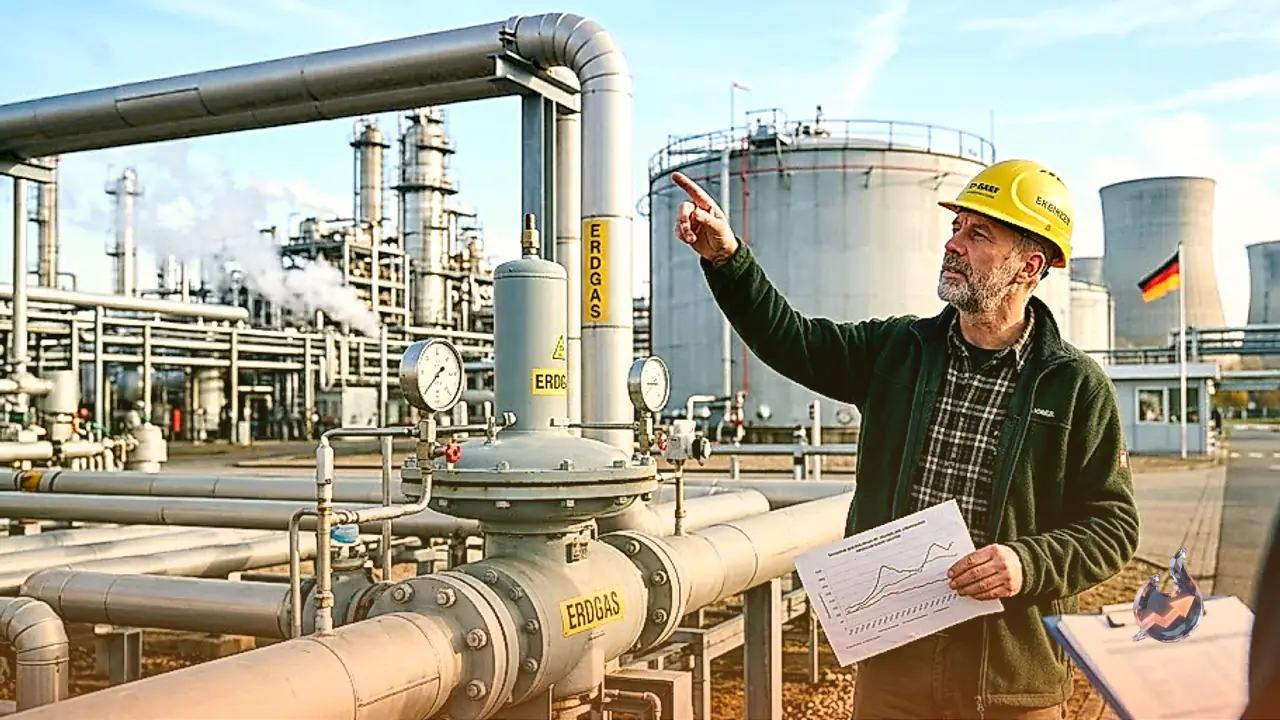
The brighter corporate outlook remains tightly counterbalanced by severe downside risks rooted in global energy dynamics. Marc Schattenberg, Felicitas Henze, and Eric Heymann stressed that the primary threat confronting both factory output and the broader macroeconomy lies in geopolitical shocks spilling into fossil fuel markets. Spikes in fuel import costs could swiftly pressure operating margins across energy-intensive German industries, curbing output and restricting full-year GDP growth to the anticipated 1% threshold.
Currency Market Dynamics and Dollar Positioning
Global foreign exchange markets also reflected heightened sensitivity to geopolitical headlines during Thursday's trading. The AUD/USD pair spent the Asian session consolidating just above 0.6950 while market participants digested developments surrounding Middle Eastern conflicts. Reports indicating that the Pentagon placed forces on readiness for potential strikes targeting Iran kept geopolitical risk premiums elevated. Combined with hawkish FOMC Minutes and elevated US bond yields, these pressures worked to keep the US Dollar supported at the direct expense of the Australian Dollar.
Conversely, USD/JPY moved back into negative territory below 158.00 during Asian trading hours. Speculation that Japanese authorities could step into the market to prop up the depreciating Japanese Yen triggered localized selling. That dynamic unfolded even as the US Dollar retreated from levels near an 18-month high due to profit taking, largely overlooking Wednesday's hawkish FOMC Minutes and regional escalations in the Middle East to induce a broader pullback in the currency pair.
Gold Consolidates Gains as Treasury Yields Ease
Precious metals captured renewed investor appetite amid the shifting geopolitical backdrop. Spot gold regained upside composure on Thursday, advancing toward the $4,150 mark per troy ounce following respectable intraday gains. The metal's upward movement coincided with fading momentum in the greenback's broader advance alongside a modest easing in US Treasury yields across the 10-year to 30-year maturity curve, offering investors a haven asset as broader economic and geopolitical questions linger.