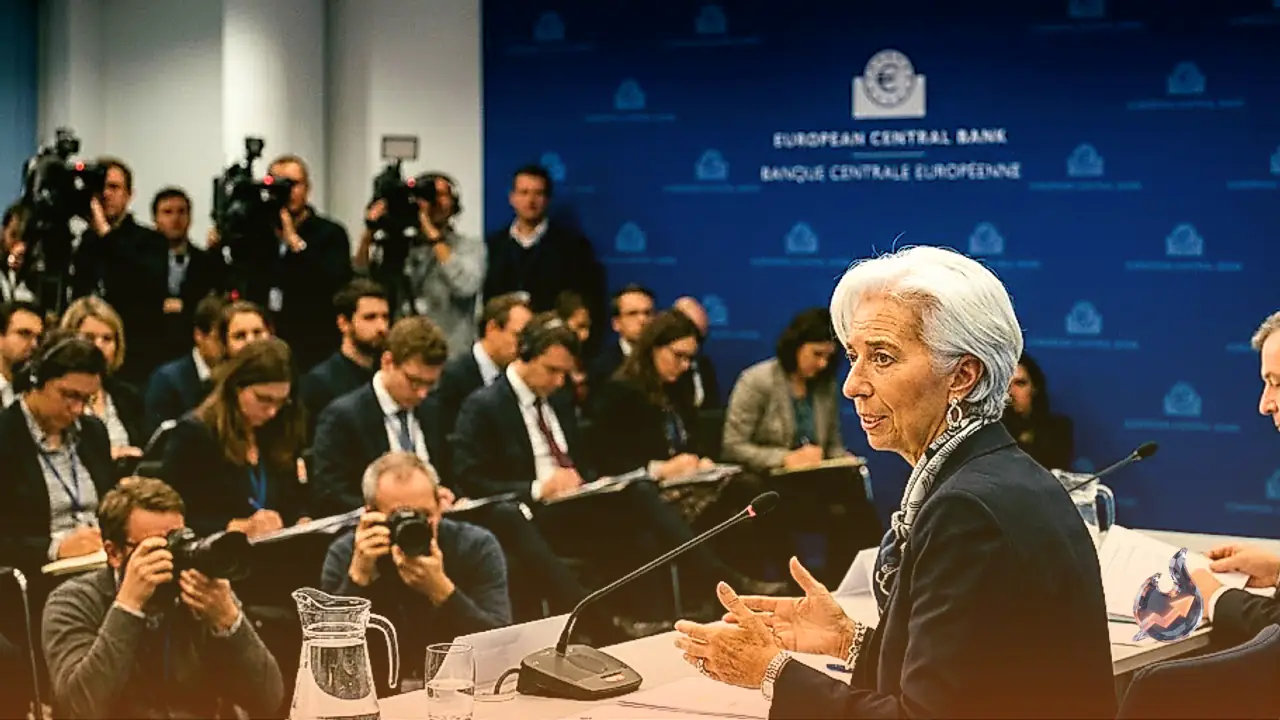























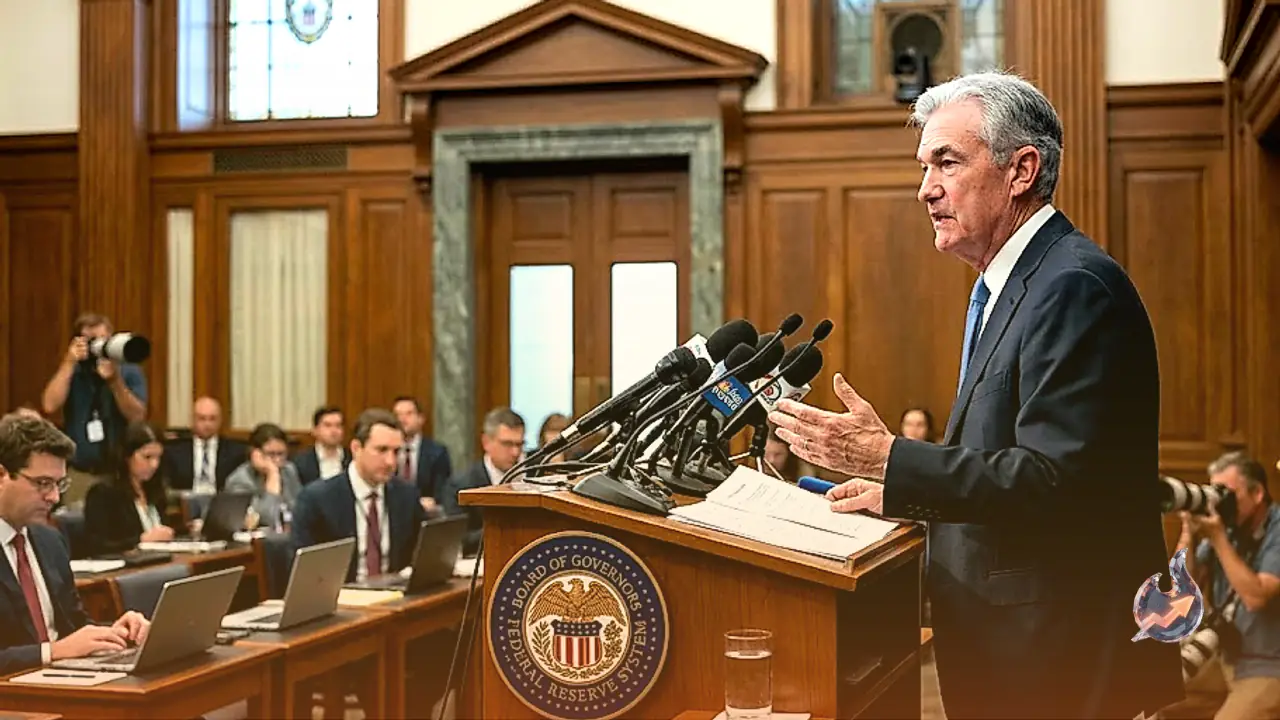

Global financial markets are adjusting to a resolute monetary stance from the United States central bank following the release of the September 2026 Federal Open Market Committee minutes. In a decisive break from the divided debate witnessed during the July gathering, all 19 participants voted unanimously to execute a 25 basis point increase, lifting the Fed funds target range to 3.75 percent to 4.00 percent. While officials agreed that the tightening path must remain active, analysis indicates that the central bank is poised to hold steady in October before resuming interest rate hikes in December and the opening months of next year.
Unanimous Support for Tightening at September Gathering
The internal discussions from the September meeting reflected broad agreement among monetary officials that policy restraint remains essential. Policymakers highlighted that inflation continues to hover at elevated levels, while the labour market remains exceptionally tight near maximum employment and overall economic activity continues expanding at a solid pace. Even though the individual reasons for hiking differed across the committee, ranging from pre-emptive insurance against persistent inflation risks to concerns regarding robust underlying domestic demand, a substantial majority concluded that another interest rate increase would be appropriate before the calendar year concludes.
Diminished Odds for Action at the October Meeting
Despite the prevailing hawkish tone, market participants and economic analysts have effectively ruled out consecutive rate increases across back-to-back meetings. A principal factor is the scheduling of the October FOMC meeting, which takes place less than a full week prior to the US midterm elections set for 3 November. Shifting monetary policy aggressively immediately ahead of national ballots is widely viewed as improbable. According to Bloomberg WIRP tracking data, market pricing for an October rate increase retreated to 19.4 percent on 8 October. This marked a further descent from 21.6 percent on 5 October, and represented a dramatic collapse from the 70.3 percent probability priced on 28 September.
Projections for Terminal Policy Peak at 4.50 Percent
An assessment by Alvin Liew of UOB indicates that the current tightening cycle still has further room to run. The baseline forecast anticipates two additional rate adjustments, specifically an increase in December 2026 followed by another in the first quarter of 2027. Under this trajectory, the upper bound of the US Federal Funds Target Rate would reach a peak of 4.50 percent, where it is anticipated to remain parked throughout the remainder of 2027. Nevertheless, upside risks to this rate path remain pronounced if consumer prices face fresh acceleration from elevated global energy costs, international trade tariffs, and emerging factors surrounding artificial intelligence deployment.
Geopolitical Escalation and Foreign Exchange Pressures
The combination of a hawkish policy trajectory and intensifying international friction is reverberating across global currency desks. In the Middle East, geopolitical risk premiums expanded after the Pentagon directed operational readiness for potential military strikes targeting Iran. Alongside firm US sovereign bond yields, these security tensions have provided ongoing support for the greenback. In Thursday Asian trading, the AUD/USD currency pair struggled to gain traction, consolidating just above the 0.6950 threshold as broad dollar strength limited gains for risk-sensitive currencies.
Currencies and Precious Metals React to Yield Pressures
Currency trading in Asia also witnessed movement in USD/JPY, which retreated back below 158.00. The pullback occurred amid heightened market speculation that authorities in Japan could step into currency markets to defend the Yen. Simultaneously, the greenback trimmed gains from near an 18-month peak due to profit-taking by institutional traders, temporarily looking past the hawkish FOMC narrative and Middle East developments. In commodities, gold surrendered its modest morning rebound as climbing US Treasury yields and dollar strength weighed on bullion. Trading near two-month lows, XAU/USD hovered near 4,119 dollars per ounce after slipping from a daily session high of 4,143 dollars.