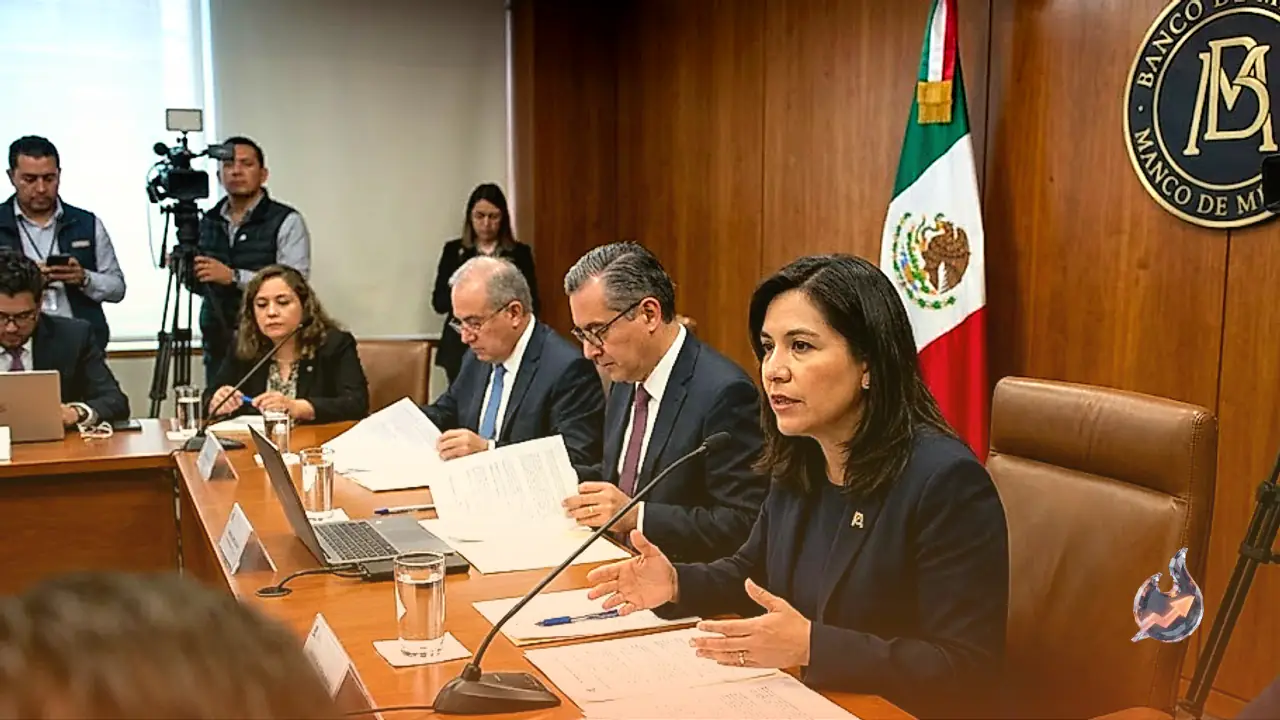























Persistent demand pressures and lingering supply shocks continue to keep inflation elevated across the United States economy, requiring tighter borrowing conditions in the months ahead. Speaking at an event hosted by the Minneapolis Fed, Musalem stated that policy interest rates should head higher over the next 6 to 9 months to effectively rein in price pressures. With economic activity remaining fairly solid, policymakers possess the leeway to focus squarely on lowering the cost of living for households. Feedback from contacts within the St. Louis Fed's jurisdiction indicates that market participants are predominantly concerned about ongoing inflation rather than challenges in employment.
Targeting 2% Inflation Without Weakening Employment
Musalem emphasized that restoring inflation to the official 2% target in a timely manner is vital to prevent damaging second-round pricing effects from taking root. Accomplishing this milestone will necessitate additional monetary policy firming. When approaching upcoming deliberations, he noted that he enters every policy meeting with an open mind. Importantly, the labor market remains generally balanced and steady, meaning central bankers do not need to deliberately weaken or cool the employment landscape to pull inflation lower. Nonetheless, Musalem acknowledged a downside vulnerability, noting the realistic risk that robust consumer vigor could eventually wane.
Rising Yields Driven by Rate Outlook and Capital Thirst
Addressing debt markets, Musalem explained that nominal yields are advancing because real yields are moving higher, largely propelled by shifting policy-rate expectations. Beyond interest rate projections, heavy capital expenditures channeled into AI investment alongside large government budget deficits are also exerting strong upward pressure on yields. Given that capital demand is currently running around 3% to 4% of GDP, overall rates will likely remain elevated compared to historical benchmarks. Furthermore, this intense appetite for capital is projected to endure for the next 5 to 10 years, reinforcing structurally higher borrowing costs.
Debt Sustainability and Central Bank Independence
Investor sentiment has increasingly reflected worries regarding long-term fiscal trajectories. Musalem observed that the United States government has remained on an unsustainable fiscal path for years, warning that escalating public debt balances could eventually generate systemic risks. In this environment, preserving the independence of monetary policy stands out as an indispensable asset. He underscored that the administration of government debt must remain entirely distinct and separate from the central bank's monetary decisions. Financial conditions have tightened in an orderly and modest manner so far, while market inflation expectations stay firmly anchored without challenging institutional credibility.
Global Currency Dynamics and Precious Metals Movement
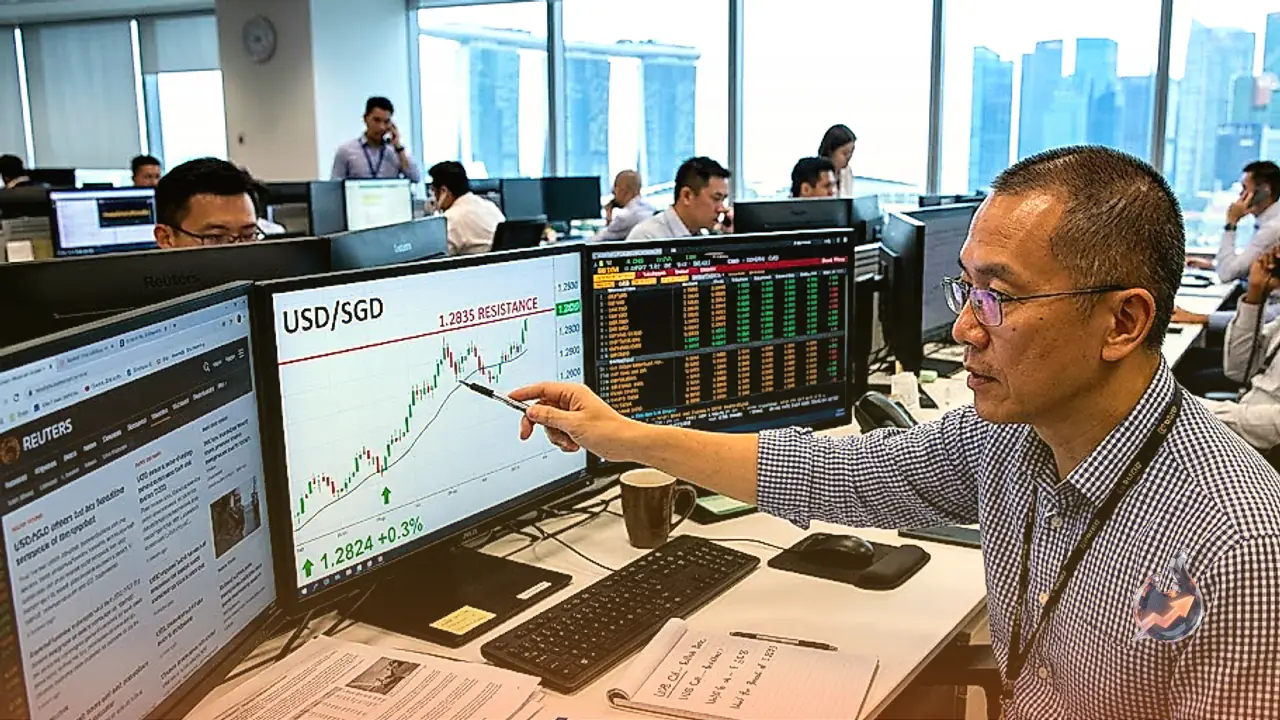
Across international financial markets, the US Dollar showed widespread resilience against major currencies, registering its most pronounced strength against the Australian Dollar. During Thursday's Asian trading session, AUD/USD traded narrowly above 0.6950 while market participants monitored geopolitical escalations across the Middle East. Preparations ordered by the Pentagon regarding readiness for potential military action against Iran kept geopolitical risk premiums elevated, which, alongside hawkish FOMC Minutes, provided solid backing for the greenback. Concurrently, USD/JPY slipped below 158.00 as speculation emerged regarding potential official currency intervention by Japanese authorities. In commodities, gold regained ground to trade near $4,150 per troy ounce, aided by dollar profit-taking from near 18-month highs and a softening in US Treasury yields.