
























Europe's powerhouse economy has managed to carve out an unexpected pocket of resilience amid broader economic headwinds, as Germany's premier sentiment gauge extended its upward climb for a fifth straight month. The Ifo index rose to 89.9 in September from 88.8 in August, touching its highest level in more than a year. The sustained rebound has surprised observers, raising questions about whether industrial momentum is genuinely taking root or merely masking deeper structural fragilities.
Recovering Order Books and Government Spending Provide Industrial Traction
Part of this cyclical revival stems from the manufacturing floor, where corporate order books have started to stage a gradual recovery over recent months. This uptick in demand points to early positive traction across the industrial complex. Simultaneously, billions of euros committed through the government's dedicated fiscal packages for defence and national infrastructure upgrades have begun working their way through the real economy. As state capital filters down to suppliers and contractors, it is injecting much-needed liquidity and production orders into an otherwise subdued economic backdrop.
Mounting Energy Headwinds, Middle East Conflict, and Trade Frictions
Despite these cyclical gains, the medium-term economic horizon remains fraught with severe structural vulnerabilities. The ongoing war in the Middle East shows signs of hardening into an enduring conflict, keeping global shipping and supply chains on edge. Crude oil prices remain stuck at elevated ranges, driving up production costs for energy-intensive sectors. Adding to these pressures, the upcoming winter heating season brings a high risk of fresh natural gas price shocks, while renewed international trade disputes threaten the stability of Germany's export corridors.
Currency Markets React to Australian Jobs and Shifting Bond Dynamics
Global financial assets experienced broad realignments across multiple asset classes on Thursday. In the Asian trading session, AUD/USD softened toward 0.7000 following the publication of Australia's August labour market figures. The national unemployment rate ticked up to 4.6% against the 4.5% projected by consensus, even as net employment change surpassed expectations with an addition of 39.5K positions. Market participants also adopted a cautious stance ahead of the critical bilateral discussions between US President Donald Trump and Chinese President Xi Jinping.
Meanwhile, USD/JPY pulled back from recent three-week highs, stabilizing near 158.00 in Asian hours. A sharp climb in domestic Japanese sovereign bond yields offered support to the Yen amid growing wariness over potential currency intervention. Concurrently, the US Dollar defended its broader advance near a two-month peak, bolstered by elevated US Treasury yields and persistent expectations of a hawkish policy stance from the Federal Reserve.
Gold Softens Below Key Thresholds Ahead of Trump-Xi Bilateral Dialogue
The precious metals sector recorded sustained selling pressure as spot gold maintained a downward trajectory for the second straight session. Bullion fell beneath the $4,300 benchmark during the first half of European trading, hitting a one-week trough. Market focus centered squarely on the scheduled meeting between US President Donald Trump and Chinese President Xi Jinping. While broad expectations for a major breakthrough remain subdued, traders are parsing the dialogue closely for potential progress on critical rare earth minerals, technology export curbs, and terms governing an extension of the existing trade truce between Washington and Beijing.
Central Bank Divergence: Bank of Japan Hikes Policy Rate while Swiss National Bank Holds at Zero
Central banking strategies diverged sharply across Europe and Asia on Thursday. The Bank of Japan (BoJ) delivered a 25-basis-point interest rate increase, raising its short-term policy target from 1.00% to 1.25% in a 7-2 vote. The decision represents another decisive step in Tokyo's ongoing monetary policy normalization and aligns with market consensus accumulated over preceding weeks.
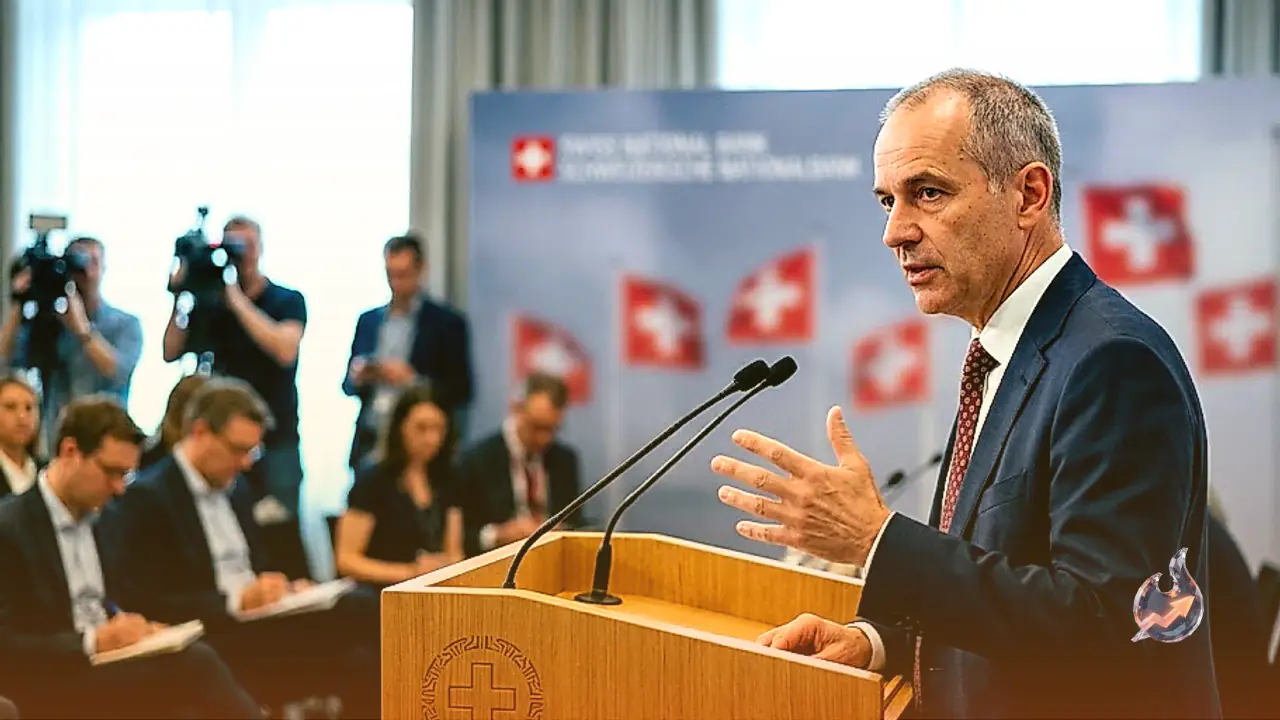
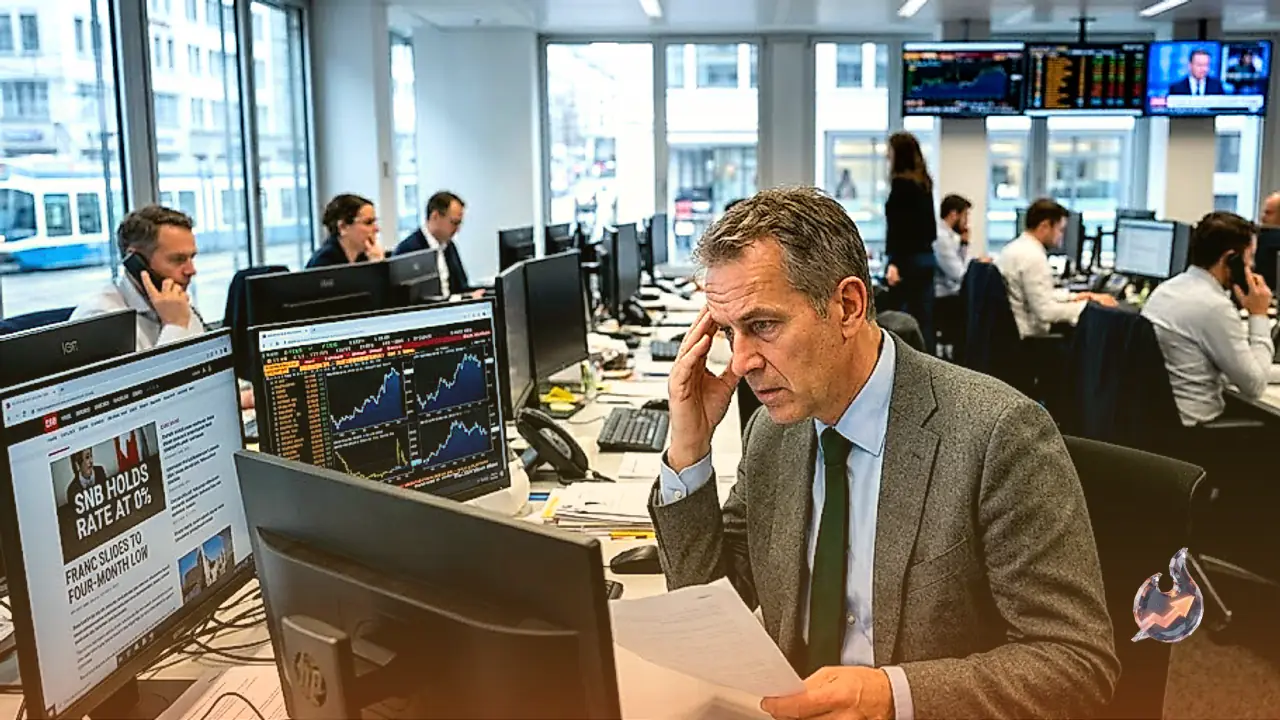
Across the continent, the Swiss National Bank (SNB) opted to maintain its benchmark policy rate at 0%, fulfilling widespread market forecasts. Under the SNB's updated policy framework, commercial banks' sight deposits parked at the central bank will continue to earn interest at the baseline policy rate up to a predefined limit. The institution also revised its long-term inflation outlook, projecting 2026 inflation at 0.7% compared with its prior 0.6% forecast, while underscoring that foreign macroeconomic shifts remain the primary risk factor facing Switzerland's domestic economy.