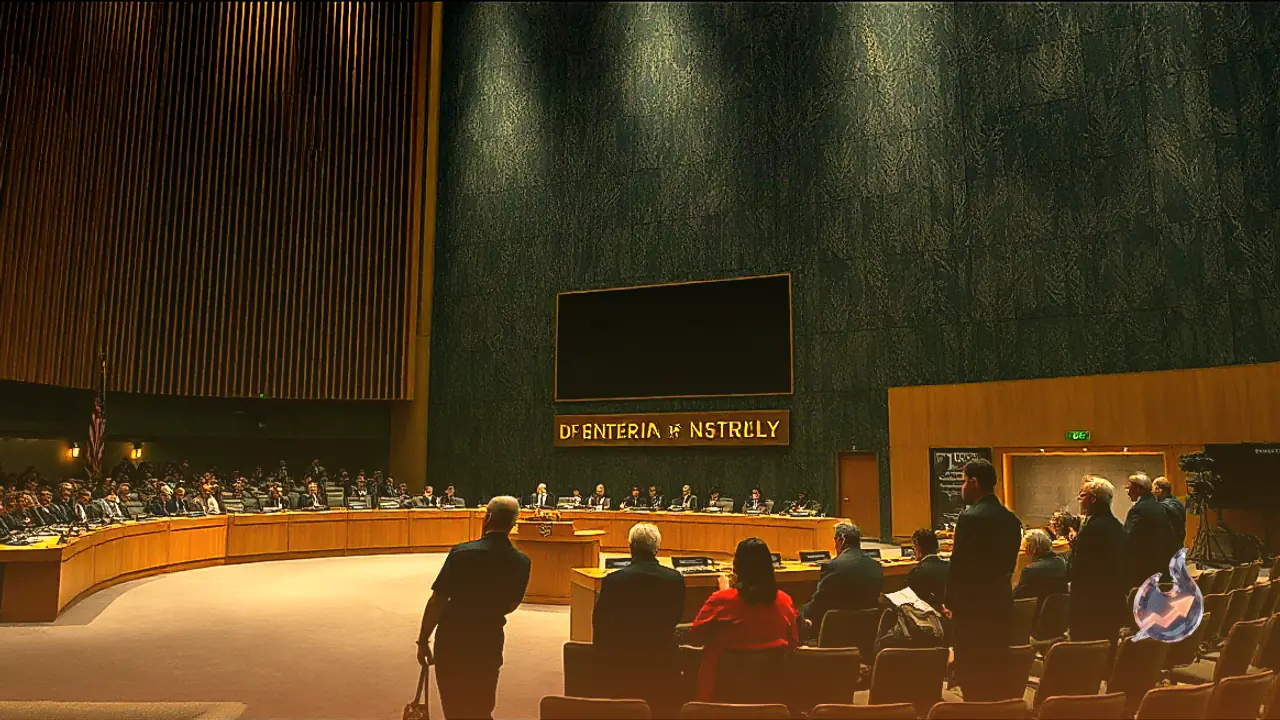


















Addressing international delegates gathered at the United Nations General Assembly in New York, Venezuela's interim president, Delcy Rodríguez, publicly pledged that general elections will take place across the country as an indispensable step toward establishing a full democracy. However, despite intense domestic and diplomatic anticipation surrounding her speech, she declined to offer a specific timeline or calendar date for citizens to cast their ballots. Her deliberate omission of an electoral timetable comes amid escalating complaints from domestic opposition figures, who argue that the transitional administration is stalling basic constitutional restoration.
Rodríguez assumed executive control shortly after her predecessor, Nicolás Maduro, was captured during a sweeping raid conducted by United States armed forces and flown directly to New York to answer federal drug-trafficking charges. Despite her established historical background as Maduro's loyal vice-president and senior confidante, she has managed to secure firm diplomatic and strategic backing from the administration of President Donald Trump. Her accession marked a dramatic realignment inside the capital city of Caracas, even as seasoned opposition leaders view her background with deep skepticism.
A Transformed Diplomatic Posture on the Global Stage
During her formal address to the General Assembly on Tuesday, Rodríguez insisted with confidence that there will indeed be elections in Venezuela. She argued before the world body that the Venezuelan population alone would evaluate conditions and pinpoint the precise, proper moment to carry out the balloting. Remarkably, the interim leader, who served at the highest levels of the previous administration until the foreign military operation upended the country's governance, did not utter the name of her imprisoned former superior even a single time throughout the speech.
The diplomatic pivot stands out starkly against the violent backdrop of the US operation in Caracas less than nine months ago. That assault on the presidential compound led to the capture of the ruling couple and resulted in roughly 100 casualties. Rather than condemning that military intervention, Rodríguez took the podium to express explicit gratitude to Donald Trump. She commended the American president for his pragmatic willingness to follow a path centered around formal diplomacy, bilateral dialogue, and operational cooperation.
Energy Pacts and Great Power Assertions
Rodríguez emphasized that her transitional cabinet and the Trump administration are currently engaged in serious efforts to resolve longstanding grievances through structured conversations. She maintained that both nations are actively constructing a cooperative groundwork that encompasses regional energy flows, enhanced domestic security, coordinated measures against transnational crime, and expanded commercial investments. These joint endeavors, she argued, are structured to deliver tangible advantages to the citizens of both nations and the broader American continent.
Taking the rostrum in the same hall, President Trump offered a starkly different rhetorical tone when discussing the former Venezuelan leadership. Trump repeatedly targeted Maduro by name, denouncing him before the assembly as an outlaw dictator and an unrepentant criminal. Trump utilized the occasion to highlight the completion of an unprecedented bilateral transaction, celebrating what he described as the largest oil deal in history covering 65bn barrels of oil reserves secured between the US and the transitional administration led by Rodríguez.
Strategic Dominance and Postponed Balloting
Reflecting on the commercial agreement, Trump invoked a historic victor's principle, remarking that to the victor belong the spoils of conflict. He coupled this assertion with a stern foreign policy declaration, warning that the United States remains entirely prepared to deploy its unrivaled military strength if necessary to protect its vital national security interests. While Trump chose not to highlight the topic of Venezuelan elections during his address to the assembly, he had already shared his perspective earlier in the month during an interview with the LA Times, where he expressed personal doubts that the Latin American nation was ready to stage a national vote.
On Tuesday, the two heads of state also held a concise bilateral meeting on the sidelines of the General Assembly. US Secretary of State Marco Rubio, who took part in the discussions, confirmed that the issue of democratic voting was directly addressed between the leaders. Nevertheless, Rubio echoed an explicitly cautious stance, urging Venezuelan opposition factions to exercise patience while foundational state institutions are methodically rebuilt.
Institutional Reconstruction and the Marginalized Opposition
Rubio maintained that an extensive political transition process must run its course before transparent, credible, and fair elections can practically occur. His stated concern was that holding premature balloting would merely guarantee that any newly elected official would inherit an absolute economic and social catastrophe without the tools to manage it. To support his argument, Rubio pointed toward active discussions between the interim government and select segments of the opposition, characterizing those talks as measurable proof of incremental governance progress.
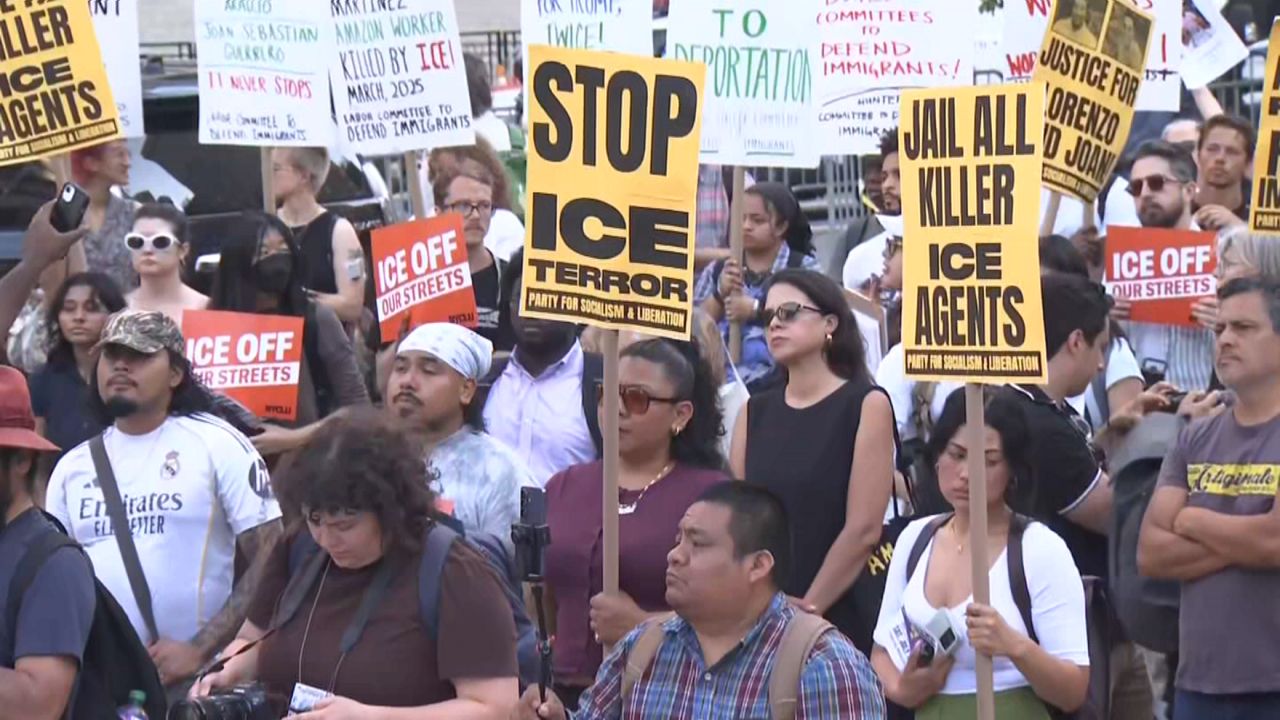
Critics, however, remain deeply dissatisfied with both the negotiations and the continuing electoral ambiguity. Disillusioned factions point out that Venezuela's most prominent opposition figure, María Corina Machado, remains entirely excluded from these official deliberations. Machado, who traveled to Oslo in December to accept the Nobel Peace Prize, has been barred from returning to her home country ever since. A key adviser disclosed that she made three distinct attempts to return home over the course of the week, yet every attempt was systematically blocked by authorities. She remains legally prohibited from running for public office under restrictions initially instituted during the Maduro era, while Venezuelan Interior Minister Diosdado Cabello previously warned that law enforcement would have an unpleasant surprise waiting should she ever manage to re-enter. Outside the assembly hall in New York, vocal demonstrations underscored that deep divisions over legitimacy and governance persist unresolved.