




















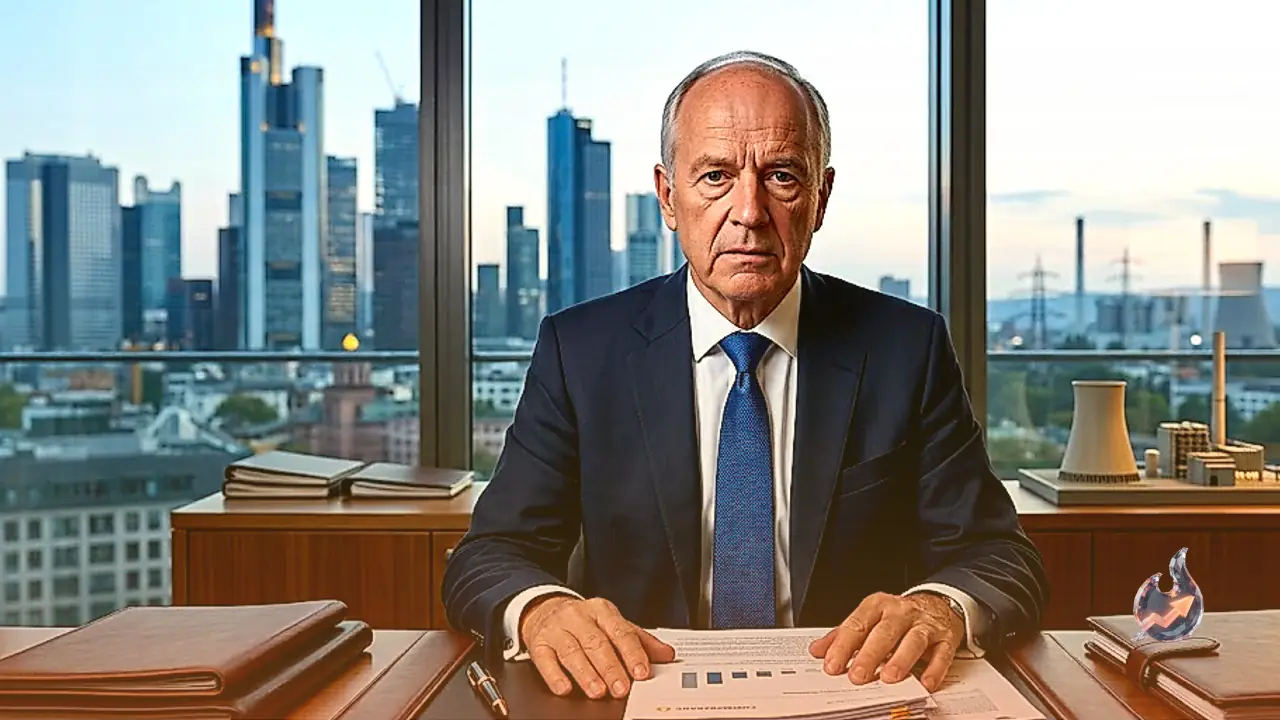

Dr. Jörg Krämer of Commerzbank argues that elevated energy prices will continue to exert downward pressure on the German economy throughout the second half of 2026, capping full-year growth at a modest 0.6%. He points out that the recent robust reading of the Ifo business climate index largely preceded the sharp surge in global oil prices, yet it still underscores underlying recovery potential if US-Iran tensions subside and the Strait of Hormuz reopens on a permanent basis.
Analyzing the Ifo Business Climate Index and Oil Price Surge
The notable increase in the Ifo business climate indicator, moving to 86.6 from 85.7, carries limited significance because the vast majority of participating companies submitted their survey responses prior to the dramatic oil price escalation witnessed over the past fortnight. Nevertheless, this upward tick demonstrates that recovery prospects exist provided Washington and Tehran reach a formal accord and the Strait of Hormuz is permanently operational once again.
When interpreting this sharp jump, analysts emphasize that firms typically complete the Ifo questionnaire by the middle of the month. Consequently, most businesses were unable to factor in the subsequent spike in crude oil quotations. As a result, the July reading is likely to exaggerate actual conditions, even though Brent crude futures dropped by approximately 10 dollars early Monday morning compared to Friday, hovering around 90 dollars per barrel.
The Long Path to Diplomatic Understanding and Energy Drag
Looking ahead, the road toward a lasting mutual understanding is expected to be prolonged and arduous, notwithstanding the strong economic incentives Iran holds to finalize a deal, particularly given that Donald Trump has outlined major concessions including reconstruction aid within the framework agreement. Taking all these variables into account, high energy costs will undoubtedly continue to burden the German industrial and consumer landscape during the latter half of the year.
Consequently, forecasts continue to project a meager expansion of just 0.6% for the German economy as a whole over the 2026 calendar period. At the same time, the day's considerable improvement in business sentiment highlights the inherent bounce-back capability should diplomatic breakthroughs materialize in the Middle East. Because reaching such an agreement will inevitably require considerable time, this dynamic serves primarily as an argument for slightly accelerated momentum heading into the following year, where growth is currently forecasted at 1.0%.
Global Forex Markets React to Energy and Inflation Shifts
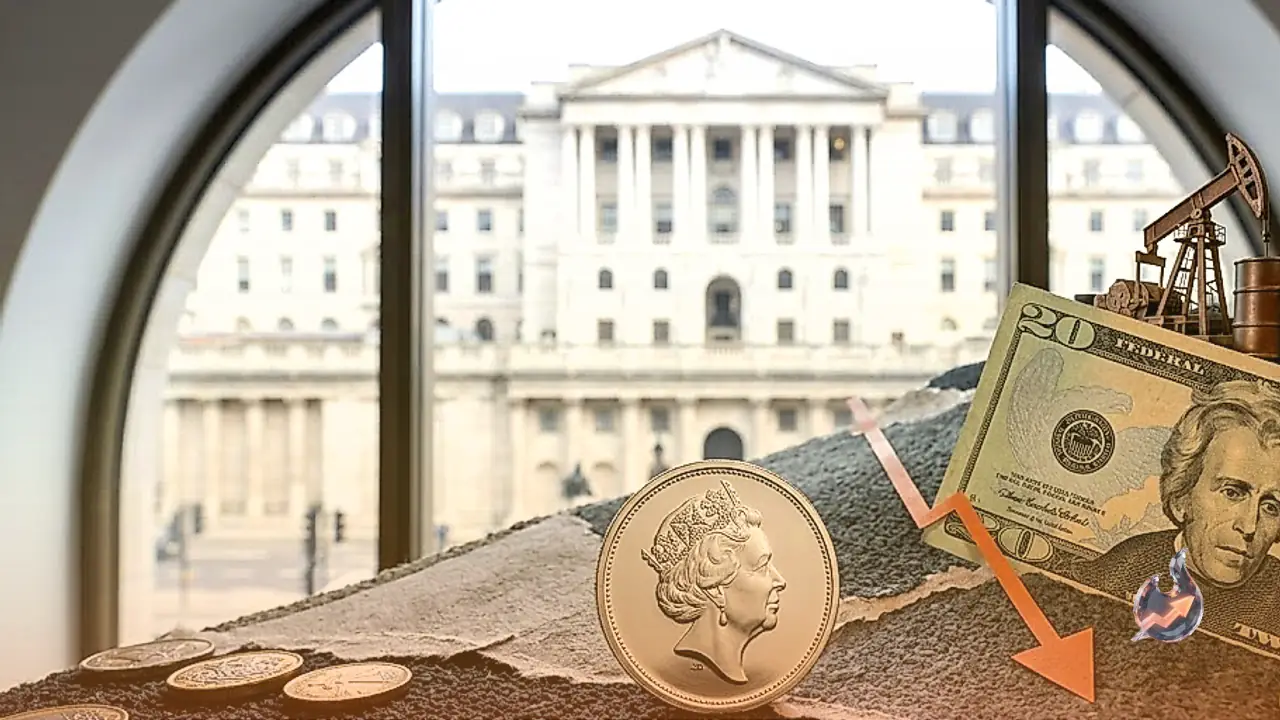
Across international currency exchanges, shifting commodity trends and central bank outlooks are driving noticeable volatility. The GBP/USD pair abandoned Friday's upward momentum and decisively breached the 1.3300 threshold on Monday, plunging to fresh multi-week lows. Lower crude oil valuations resulting from a temporary cooling of the Middle East conflict, combined with softer-than-expected UK inflation metrics, have diminished expectations for aggressive monetary tightening by the Bank of England ahead of its scheduled policy event.
Simultaneously, the EUR/USD exchange rate relinquished its bullish momentum, sliding back beneath the 1.1400 region at the onset of the week. Hopes of a permanent de-escalation in the Middle East continue to offer mild underlying support to the pair, though lingering doubts remain over whether Washington and Tehran can successfully forge a definitive resolution to their geopolitical standoff.