






















Gold prices have extended their upward momentum, successfully clearing the crucial 200-day Simple Moving Average at $4,516 and opening up possibilities for further gains. From a broader market structure perspective, the precious metal maintains a neutral to bullish bias, though market participants are closely watching the May 7 swing high of $4,764 as the next major hurdle for continuation.
Sanctions on Iran and Safe-Haven Flows
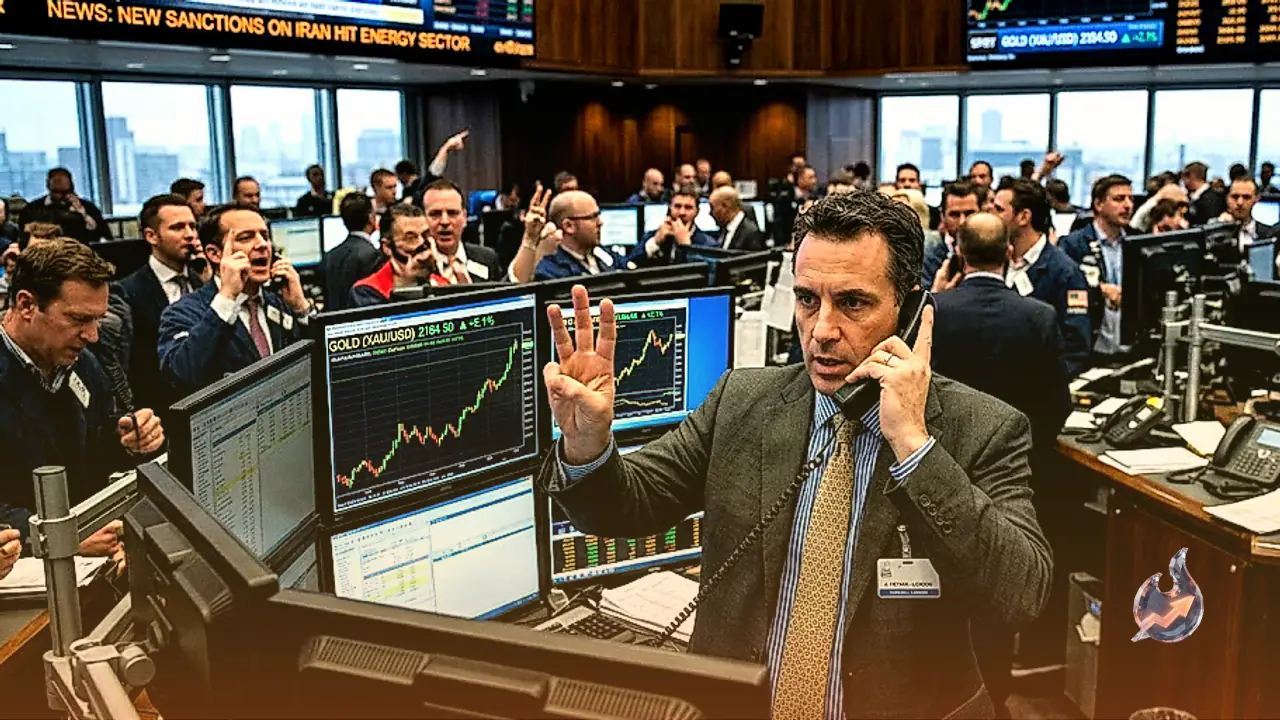
The latest rally comes in the wake of aggressive economic measures announced by US Treasury Secretary Scott Bessent against Iran, targeting core lifelines such as digital assets, technology, bullion, aviation, and shipping. Nearly 60 entities, including broker networks and shadow fleet vessels operating across the UAE, Hong Kong, China, Singapore, Switzerland, and Europe, have been sanctioned. These developments have heightened geopolitical anxieties, prompting investors to seek safety in physical bullion and related financial instruments.
Surging ETF Inflows and Yield Movements
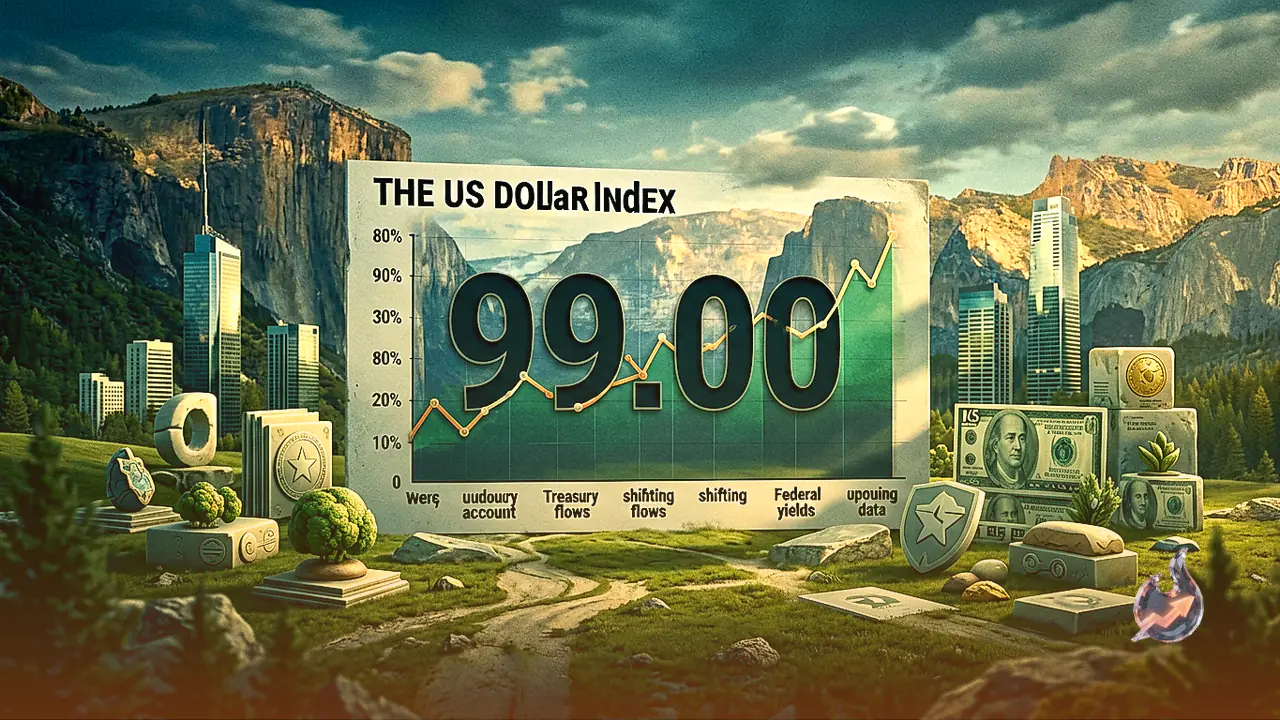
According to data compiled by the World Gold Council, gold-backed exchange-traded funds recorded massive inflows totaling 46.7 million tons, valued at $6.4 billion, during the preceding week. This marked the largest weekly jump in ten months, driven predominantly by funds listed in North America and Europe. Concurrently, US Treasury yields edged lower, with the 10-year note yield easing 3.5 basis points to 4.700%, providing a supportive tailwind for non-yielding bullion. The US Dollar Index hovered around 99.05 after recovering from recent multi-month lows.
Key Technical Levels and Market Watch
Traders remain focused on upcoming US economic indicators covering growth, inflation, and employment, alongside the speech scheduled by Federal Reserve Chair Kevin Warsh at the Jackson Hole Symposium. On the upside, immediate resistance for XAU/USD is pegged at $4,700, followed by the May 7 peak of $4,764 and the $4,800 milestone. A decisive break above these barriers could clear the path toward $5,000. Conversely, a bearish correction would require sellers to push prices back toward the 200-day SMA at $4,516, with subsequent supports situated at $4,500 and the 100-day SMA at $4,379.
Historical Role and Central Bank Reserves
Throughout history, gold has served as a reliable store of value and medium of exchange, prized for its scarcity and universal acceptance. Beyond jewelry and industrial uses, it functions as an essential safe-haven asset during periods of economic turbulence and currency devaluation. Unlike fiat currencies tied to specific governments, gold operates independently. Central banks remain the largest institutional holders, utilizing the metal to diversify foreign reserves and fortify economic stability. Data from the World Gold Council highlights that central banks added a record 1,136 tonnes of gold worth approximately $70 billion to their reserves, led by emerging economies including China, India, and Turkey.
Correlations and Macro Drivers
Gold maintains an inverse relationship with the US Dollar and US Treasury securities, as depreciating fiat currency typically enhances the appeal of alternative stores of value. Additionally, equity market downturns frequently benefit bullion, whereas robust risk-on rallies can cap its gains. Macroeconomic factors such as geopolitical instability, recession fears, and shifting interest rate expectations heavily influence price action. Because gold is globally priced in US dollars, currency fluctuations play a pivotal role in determining its short-term and long-term trajectory.
Bond Market Interventions and Currency Trends
In related financial developments, the US Treasury announced adjustments to liquidity support operations, doubling the maximum size of buybacks in longer-dated sectors from $2 billion to at least $4 billion per operation, effective September 9 through November 4. Meanwhile, major currency pairs like GBP/USD and EUR/USD experienced mild downward pressure as traders positioned themselves ahead of key US data releases and central bank commentary, while gold managed to retain its bullish structure above the $4,600 threshold per troy ounce.