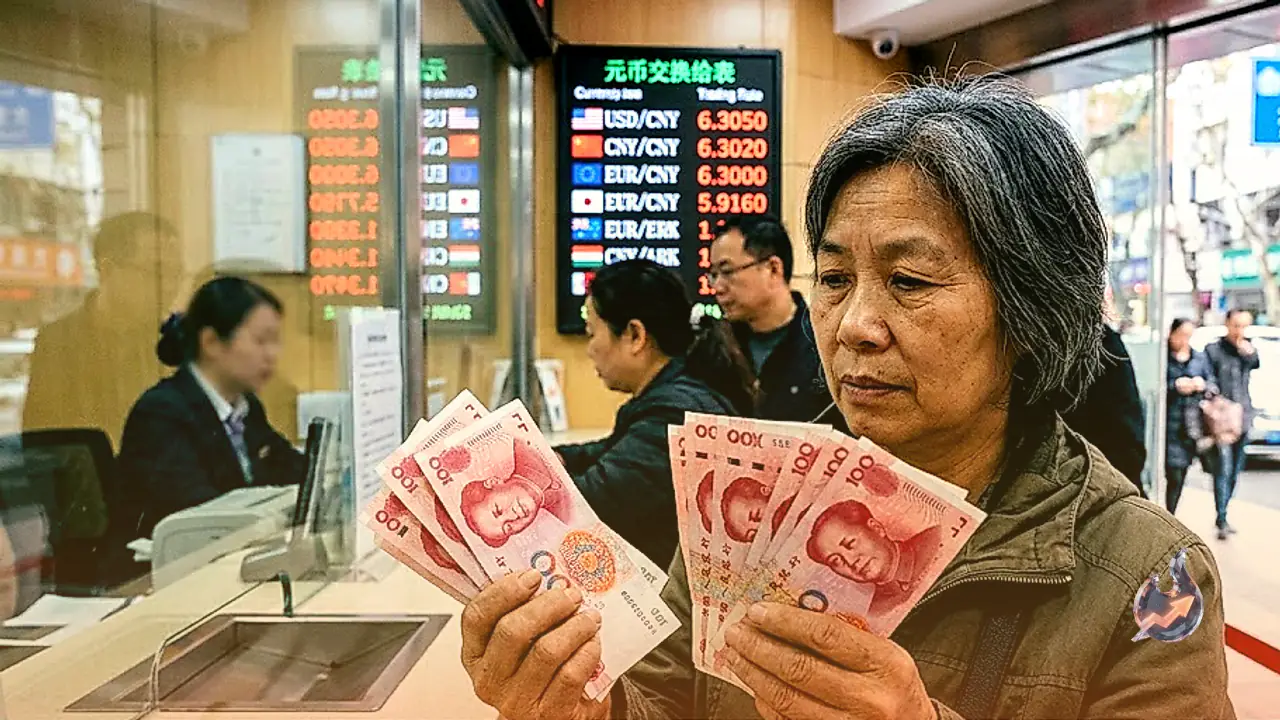

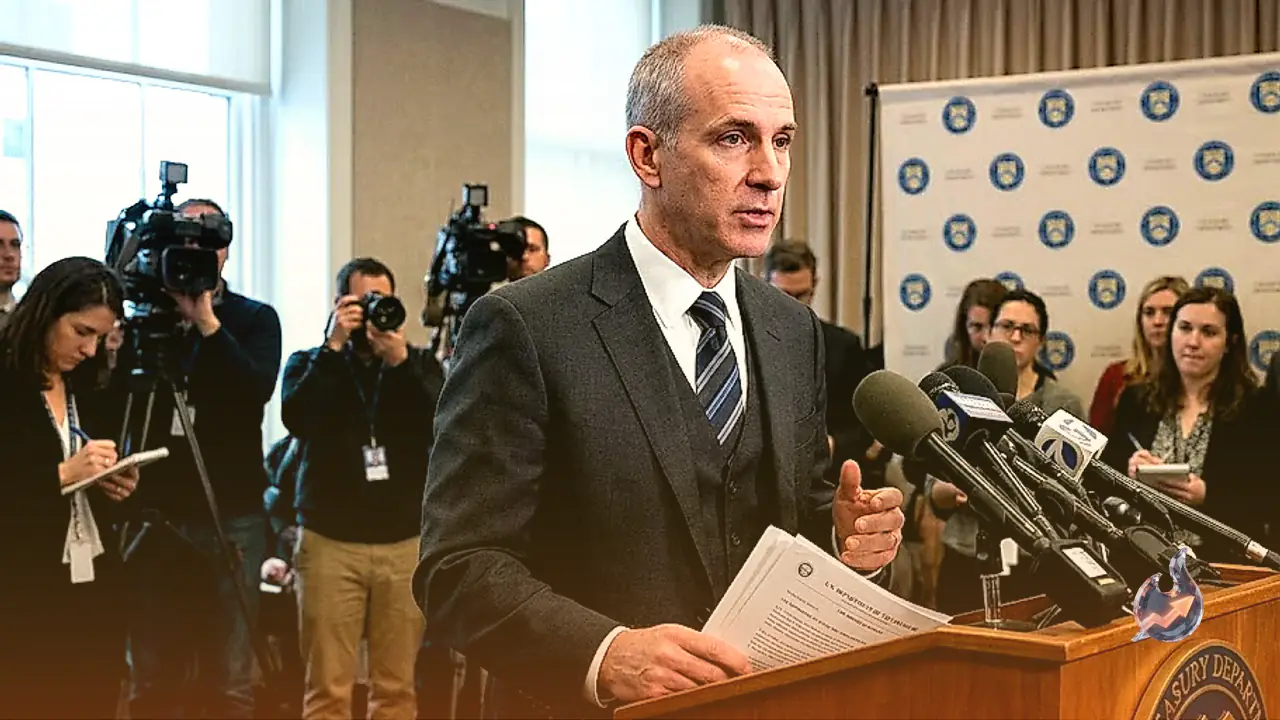

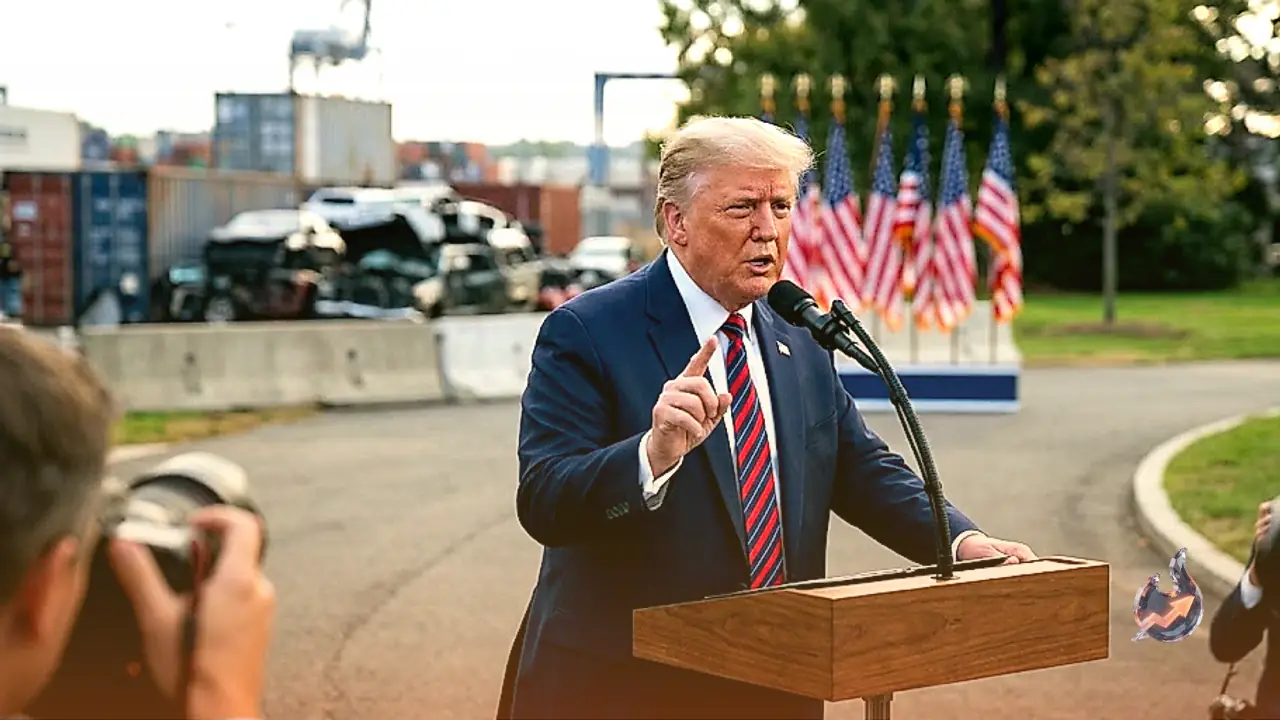



















The United States is preparing to take a much tougher approach towards the financial and trade network of Iran, with US Treasury Secretary Scott Bessent warning that foreign companies, governments, and banks could face strict action if they continue certain business dealings with Tehran. This latest warning from Washington carries implications that extend far beyond Iran itself. As enforcement steps up, global oil prices, shipping costs, international financial institutions, and countries maintaining trade links with Tehran could all come under intense pressure.
Targeting International Financial Flows and Intermediaries
The US is actively looking beyond just Iranian businesses and individuals in its ongoing quest to restrict the nation's access to international money flows. A primary focus is also being placed on companies, banks, and intermediaries operating in third-party countries that might be assisting Iran in receiving payments, selling its oil, or moving goods across borders. Bessent noted that Washington aims to make it increasingly difficult for Iran to access global financial channels, a strategy that could place banks and businesses in foreign jurisdictions in a difficult position, especially those juggling both Iranian and US-linked transactions.
The foremost concern for international banks remains uninterrupted access to the US dollar system. Even financial institutions located entirely outside of America frequently utilize dollar-based payment networks or rely on established relationships with banks that provide direct access to US financial markets. Through the enforcement of secondary sanctions, the US holds the leverage to pressure non-US financial institutions and companies that conduct specific transactions with sanctioned Iranian entities. Consequently, a foreign bank could face severe consequences even if a transaction does not directly involve an American firm. The inherent risk of losing access to the US financial system serves as a powerful deterrent for global banks.
For corporate entities, this renewed US position translates into a requirement for much stricter compliance checks prior to engaging with Iranian customers, suppliers, shipping providers, or financial institutions. Banks are likely to ramp up scrutiny on payments, while various shipping and commodity enterprises will need to conduct additional due diligence regarding vessel identities, cargo ownership, and the original geographic source of goods.
Implications for India and Crude Oil Markets
While India may not find itself directly targeted by the latest round of US warnings, domestic Indian financial institutions and businesses will undoubtedly continue to monitor the evolving situation with great care. Indian exporters, shipping firms, commodity traders, and banking institutions dealing with international clientele are generally obligated to comply with strict sanctions mandates, particularly when transactions involve the US dollar or major international financial intermediaries.
However, the more substantial concern for India stems from the potential surge in crude oil prices rather than direct bilateral trade restrictions. Highly priced oil has the capacity to inflate the nation's import bill, which in turn can influence domestic inflation rates, the current account balance, and the strength of the rupee. Furthermore, core domestic industries such as aviation, transportation, logistics, and chemicals could face escalated operational costs as a result.