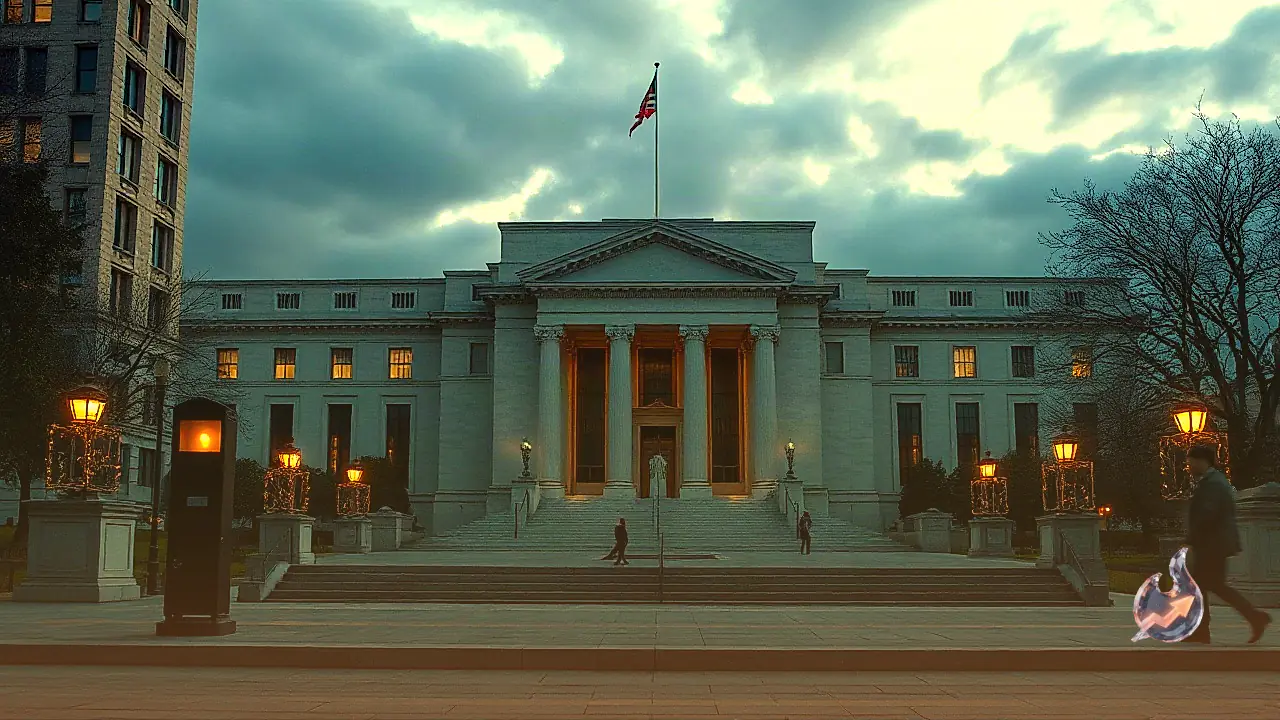























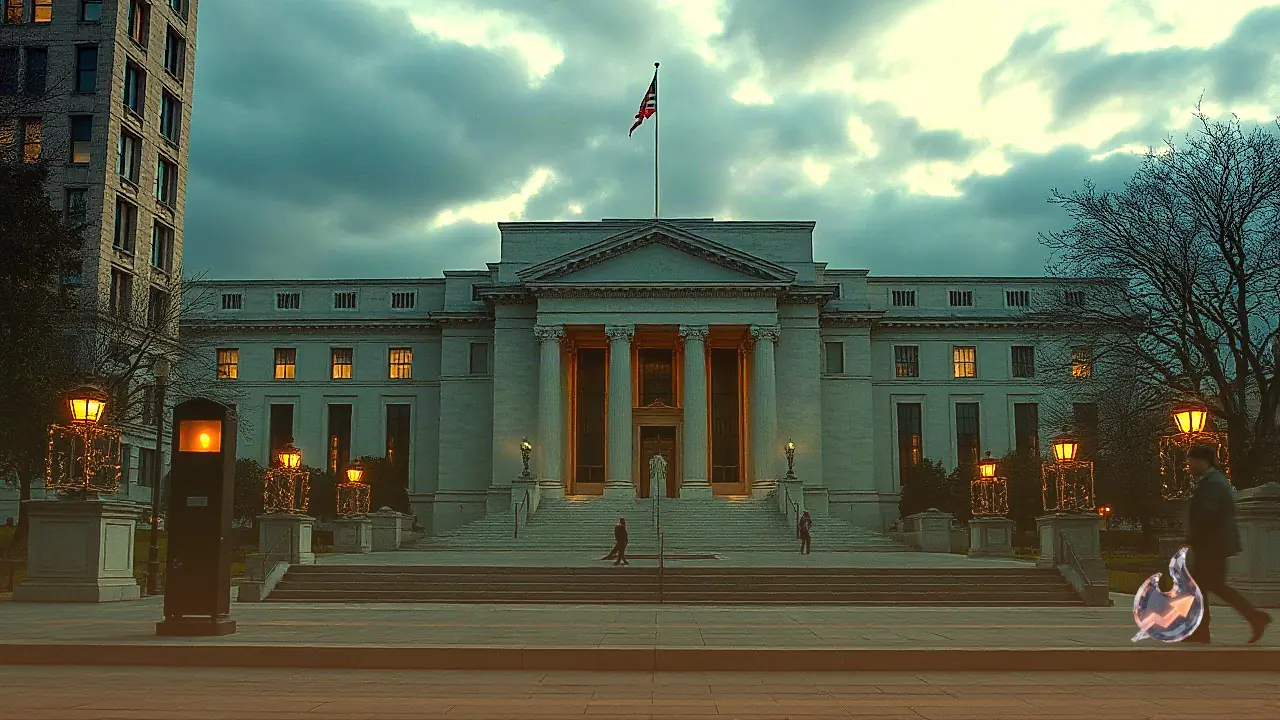

Price pressures in the United States remain widespread and stubbornly elevated across the broader economic landscape rather than being confined to energy markets. Evaluating current macroeconomic conditions, Federal Reserve official Kashkari indicated that inflation is still running too high across multiple sectors. Concurrently, overall business activity and productive output continue to demonstrate notable durability against international conflicts and headwind pressures, complemented by steady workforce absorption and emerging improvements in workplace efficiency. Against this fundamental backdrop, currency markets reflected modest adjustments, with the US Dollar Index moving zero point zero seven percent higher on the session to reach one hundred point three zero.
Price Pressures and the Broader Economic Framework
Addressing the path toward stabilization, Kashkari expressed expectations that fiscal authorities and real economy channels will provide complementary support to curb mounting living costs. He placed particular emphasis on the observation that price increases extend well beyond crude oil fluctuations. While overall economic expansion has maintained a fairly solid footing, durable momentum could ultimately help ease inflationary forces over time. Regarding government debt instruments, he clarified that managing and overseeing the bond market remains the specific jurisdiction of the Treasury, allowing central bankers to concentrate strictly on their core economic mandates.
Quantitative assessments of policy communications reflect a consistently firm posture rather than an imminent operational shift. Speech tracking indicators registered an evaluation of six point two out of ten, closely aligning with the historical benchmark of six point three out of ten. This alignment signals that monetary authorities maintain a measured, hawkish disposition. Concurrently, broader sentiment metrics monitoring the central bank recorded a decrease of one point four seven points to one hundred fifty point six one. Despite this minor easing, the metric remains comfortably above the neutral threshold of one hundred, confirming that policy guidance continues to favor restrictive borrowing conditions over rapid easing while employment and growth hold firm.
Federal Reserve Mandates and Monetary Levers
The steering of national financial conditions falls under the statutory authority of the Federal Reserve. Congress assigns the institution two primary objectives: ensuring price stability and cultivating conditions for maximum sustainable employment. The main mechanism utilized to achieve these parallel objectives is the adjustment of benchmark borrowing costs. Whenever consumer costs accelerate too rapidly and push annual inflation past the designated two percent target, the committee implements interest rate hikes. Higher borrowing costs moderate spending across commerce, while elevated yields enhance the global appeal of dollar-denominated assets, thereby reinforcing the greenback.
Conversely, should inflation sink beneath the two percent threshold or employment numbers suffer substantial deterioration, monetary authorities lower interest rates to encourage credit flow and capital expenditure, a transition that traditionally dampens the greenback's exchange value. These policy adjustments are determined during eight regularly scheduled committee meetings each year conducted by the Federal Open Market Committee. Voting responsibilities rest upon twelve central bank figures, comprising the seven permanent members of the Board of Governors, the leader of the Federal Reserve Bank of New York, and four rotating presidents selected annually from the eleven other regional Reserve banks.
Unconventional Policy Mechanisms and International Market Movements
During severe economic emergencies when traditional interest rate adjustments prove insufficient, monetary custodians may initiate Quantitative Easing. This non-standard intervention expands credit channels throughout an impaired financial framework. Applied extensively throughout the two thousand eight financial turmoil, the process entails creating currency reserves to acquire high-quality debt instruments from major commercial institutions, a dynamic that generally diminishes dollar valuation. The inverse operation, Quantitative Tightening, involves halting asset purchases and letting existing securities mature without reinvesting the proceeds, which normally lends structural support to the US currency.
Reverberations of these structural forces are readily observable across global currency and commodity pairings. During Friday's Asian trading window, the Australian dollar sustained upward momentum against its American counterpart for a second consecutive session, maintaining positions above zero point seven one zero zero. Comments delivered by Reserve Bank of Australia Governor Bullock fueled expectations of higher domestic interest rates, assisting the Aussie despite broader dollar resilience stemming from geopolitical frictions and Fed firmness. Concurrently, the greenback resumed upward trajectory against the Japanese currency in European hours, approaching one hundred fifty-eight point zero zero to test fresh two-week peaks.
The Bank of Japan advanced its policy normalization agenda by lifting its target short-term interest rate from one point zero zero percent to one point two five percent through a seven to two majority decision. Governor Kazuo Ueda commented that the operating environment had entered a new phase, yet two dissenting ballots against the increase exerted notable downward pressure on the yen. Meanwhile, bullion maintained constructive pricing patterns into Friday, trading near forty-four hundred dollars per troy ounce. Softer crude oil values coupled with intermittent dollar liquidations provided vital support to physical gold demand.