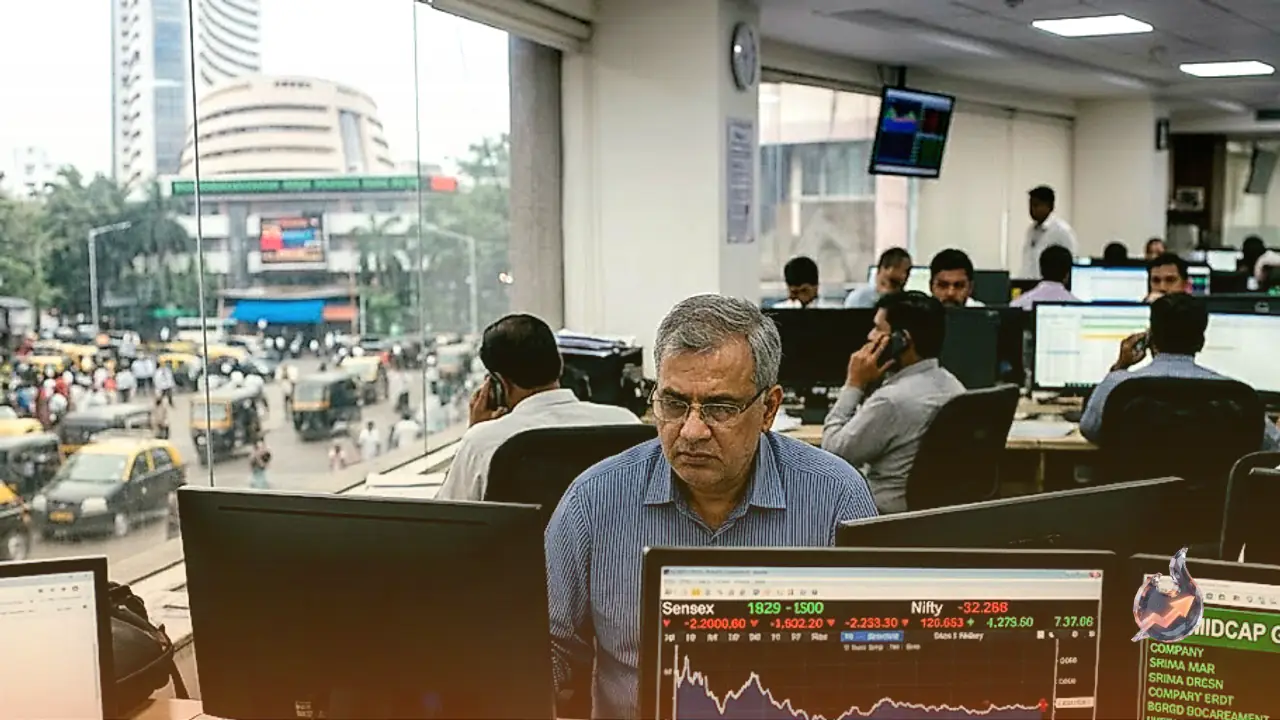























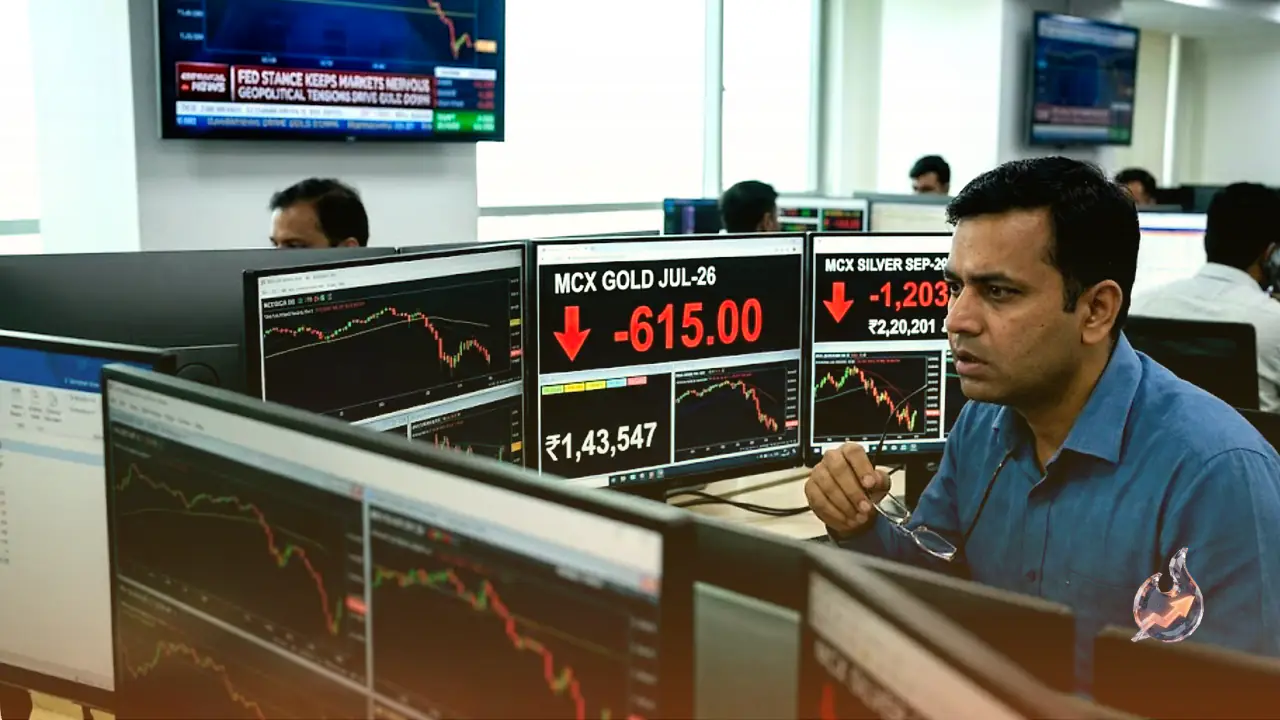

Precious metals faced another wave of selling on June 29, with both gold and silver slipping on the MCX. Gold dropped ₹615 to ₹1,43,547 per 10 grams, while silver tumbled ₹1,203 to ₹2,20,201 per kilogram. Both metals have now logged losses for two weeks in a row, reflecting a broader pressure on the commodity segment.
The Gap From the Previous Close
On June 22, gold had closed at ₹1,44,162 and silver at ₹2,21,404. The sharp losses on June 29 pulled both metals well below those levels. The fact that selling has continued across multiple sessions suggests this is more than a brief correction; it points to a sustained directional shift driven by larger macroeconomic forces.
What Is Driving the Decline
Two primary forces are responsible for today's drop. First, escalating military tensions between the United States and Iran have sent crude oil prices sharply higher, creating ripple effects across commodity markets that have dragged precious metals lower in tandem. Second, and more directly impactful for gold, expectations that the US Federal Reserve will keep interest rates elevated for a prolonged period continue to weigh heavily on the metal. Because gold generates no interest income, it loses its relative appeal when borrowing costs are high and investors can earn steady returns from bonds or fixed deposits instead, leading them to trim their gold exposure.
What an Expert Has to Say
Jatin Trivedi, Vice President (Research - Commodity and Currency) at LKP Securities, noted that gold was under sustained selling pressure throughout the previous week, with prices finishing roughly 2% lower by week's end. He pointed to the strength of the US dollar as the primary culprit, explaining that a stronger dollar kept continuous selling pressure on precious metals broadly, resulting in a second consecutive weekly decline for both gold and silver.
A Rush to Offload Old Gold
Across India, a notable behavioural shift has taken hold among gold holders. People are liquidating their old gold jewellery at an accelerating pace. The widespread rationale is that many investors and households now believe gold prices have reached their peak and are likely to head lower from here. Rather than hold on and risk a further erosion in value, sellers are choosing to cash out while valuations remain elevated, treating the current price level as an opportune exit point.
IBJA Data Confirms the Surge in Selling
Figures from the India Bullion and Jewellers Association (IBJA) put this trend in concrete terms. During the April to June quarter, around 50 tonnes of old gold was sold across the country. That figure is 43% higher than what was recorded in the same quarter last year, making clear that the appetite to liquidate existing gold holdings has grown sharply. The scale of the sell-off reflects how widely held the view has become that current prices represent a near-term high-water mark.
Gold Loans Coming Under Strain
The sustained decline in gold prices over the past five months is now creating problems for gold loan borrowers as well. The group most exposed is those who took out bullet repayment gold loans, where the entire principal along with accrued interest is settled in a single payment at the end of the loan term. As the market value of pledged gold continues to fall, these borrowers are receiving margin calls because their collateral no longer adequately covers the outstanding loan amount. Customers who repay their gold loans through regular monthly EMI instalments are, for the moment, facing comparatively less pressure from this situation.
How Far Gold Has Fallen From Its January Peak
Domestic gold prices have now declined roughly 22% from the record high they touched in the final week of January. An earlier pullback of about 15% had already played out in March during a period of heightened tension in West Asia. Prices found a degree of stability after that episode and traded within a relatively narrow band for a time. However, once signals emerged that the US Federal Reserve intends to keep interest rates higher for an extended period, fresh selling resumed and has since dragged prices steadily lower.