





















The Mexican Peso strengthened against the US Dollar, driven by a softer policy tilt from Federal Reserve Governor Christopher Waller and ongoing speculation surrounding potential foreign exchange market interventions to support the Japanese Yen. These international factors combined to place downward pressure on the greenback, offering relief to emerging market currencies.
Economic Data and Central Bank Stance
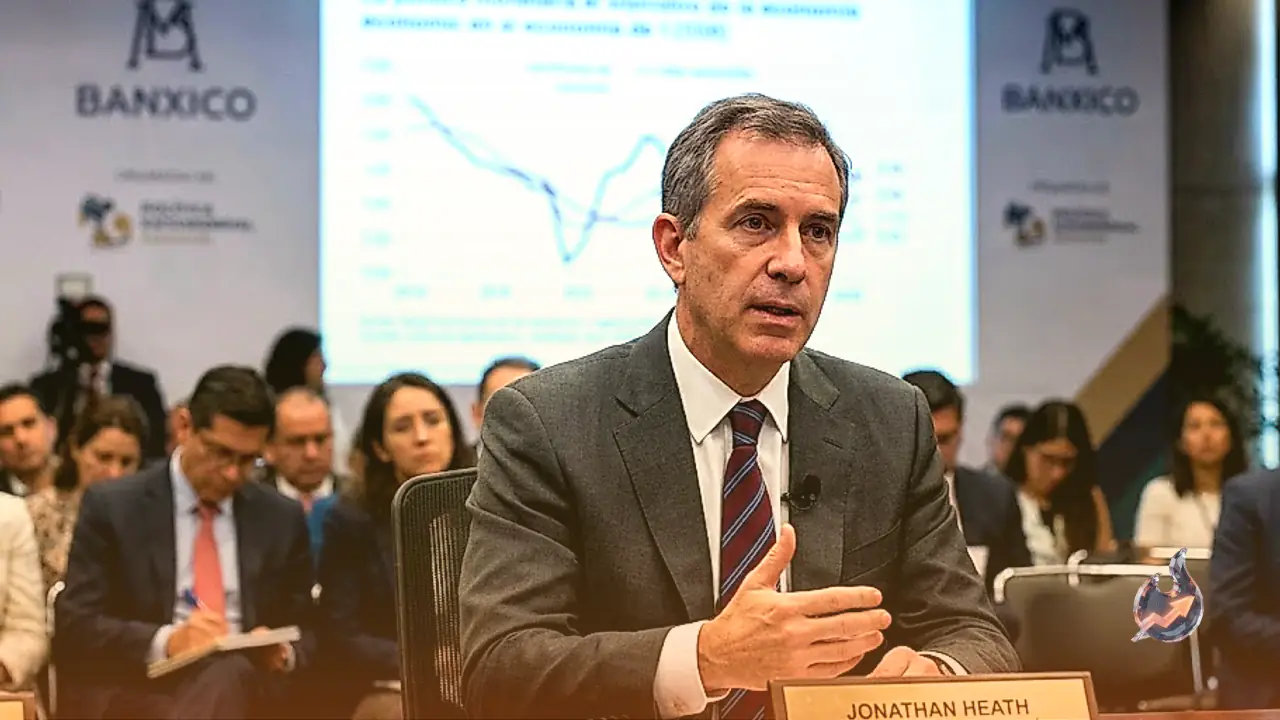
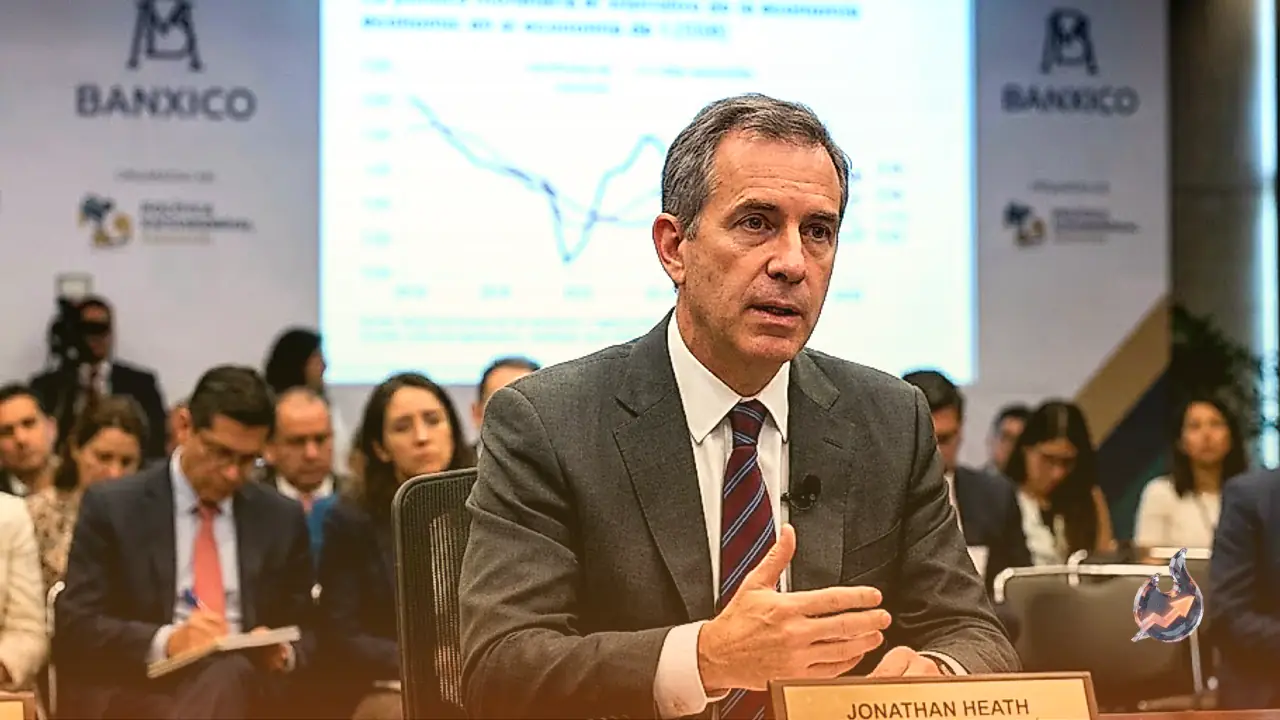
In Mexico, the seasonally adjusted Consumer Confidence index rose to 46.1 in August from 45 previously, though market participants largely overlooked the release. Meanwhile, Bank of Mexico Deputy Governor Jonathan Heath cautioned that the central bank should refrain from cutting interest rates in the near term, noting that the resumption of an easing cycle might still be roughly a year away.
During a podcast appearance, Jonathan Heath remarked that given current economic conditions, pausing adjustments is the appropriate path forward. He added that he would support a future rate cut only if core inflation successfully converges toward the central bank target of three percent.
Technical Outlook and Chart Indicators
On the daily timeframe, the currency pair continues to trade beneath a clustered pack of simple moving averages. Maintaining prices below this structural resistance and under the descending trend framework preserves a near-term bearish bias. However, the Relative Strength Index hovers just above oversold territory, suggesting that the prevailing downside momentum could be decelerating rather than staging an immediate reversal.
On the upside, initial resistance points cluster near the shorter-term descending trend line, followed by the broader moving average barrier. Without a decisive breakout above these key technical hurdles, the currency pair remains exposed to potential further slippage in upcoming sessions.
Fundamentals Driving the Mexican Peso
As the most heavily traded currency among Latin American peers, the Mexican Peso derives its valuation from domestic economic performance, central bank policy decisions, foreign investment inflows, and remittances from citizens living abroad. Geopolitical shifts, including manufacturing relocations and nearshoring trends, further position the nation as a vital supply chain hub within the Americas.
Inflation Targeting and Monetary Policy
The primary mandate of Banxico is maintaining low and stable inflation near its midpoint target. When price pressures mount, the central bank utilizes higher interest rates to cool domestic demand and stabilize the economy. Elevated rates generally benefit the Peso by attracting foreign capital seeking higher yields, whereas monetary easing cycles tend to weigh on the currency.
Broader Macroeconomic Landscape
External macroeconomic releases continue to dictate broader valuation trends across global currency desks. While emerging market assets typically thrive during periods of low market volatility, heightened economic uncertainty often drives investors toward traditional safe-haven assets, influencing cross-rate dynamics significantly.