
























The People's Bank of China has established the USD/CNY central rate for the upcoming trading session at 6.7809, comparing against the previous session's fix of 6.7828 and a Reuters estimate of 6.7170. This monetary policy adjustment comes as currency traders monitor broader shifts across global foreign exchange markets and macroeconomic indicators.
Central Bank Structure and Policy Objectives
The primary monetary policy objectives of the People's Bank of China center on safeguarding overall price stability, maintaining exchange rate equilibrium, and promoting sustainable economic growth. Furthermore, the central bank aims to drive financial reforms, encompassing the continuous opening and development of domestic financial markets. Because the institution is owned by the state of the People's Republic of China, it operates independently of autonomous central bank models seen elsewhere. The Chinese Communist Party Committee Secretary, nominated by the Chairman of the State Council, exerts significant influence over management direction rather than the governor alone, though Pan Gongsheng currently holds both prominent positions.
Unlike Western monetary authorities, the Chinese central bank employs a diverse suite of instruments to achieve its policy goals. Core mechanisms include the seven-day Reverse Repo Rate, the Medium-term Lending Facility, targeted foreign exchange interventions, and the Reserve Requirement Ratio. However, the Loan Prime Rate functions as China's primary benchmark interest rate. Adjustments to this benchmark directly dictate borrowing costs for commercial loans and mortgages, alongside the interest credited on consumer savings. Through strategic alterations to these rates, monetary officials retain leverage over the valuation of the Chinese Renminbi.
Private Banking Sector Overview
China's banking landscape features a limited presence of private institutions, counting exactly 19 private lenders across the financial system. According to reports from The Straits Times, the largest private entities are digital-first lenders WeBank and MYbank, which maintain backing from major technology conglomerates Tencent and Ant Group. Regulatory changes in 2014 initially opened the door for domestic lenders capitalized entirely through private funds to operate within the state-dominated financial sector.
Meanwhile, currency pairs across the broader foreign exchange complex experienced notable fluctuations. The GBP/USD pair managed to reverse part of its prior three-day retracement, hovering near the 1.3550 region as a softer Greenback allowed risk-correlated assets to recoup lost ground while market participants tracked potential Federal Reserve policy paths. Simultaneously, the EUR/USD pair pushed past the 1.1600 hurdle amid renewed downward momentum in the US currency, with upcoming inflation metrics and manufacturing data drawing investor attention.
Precious Metals, Crypto, and Energy Markets
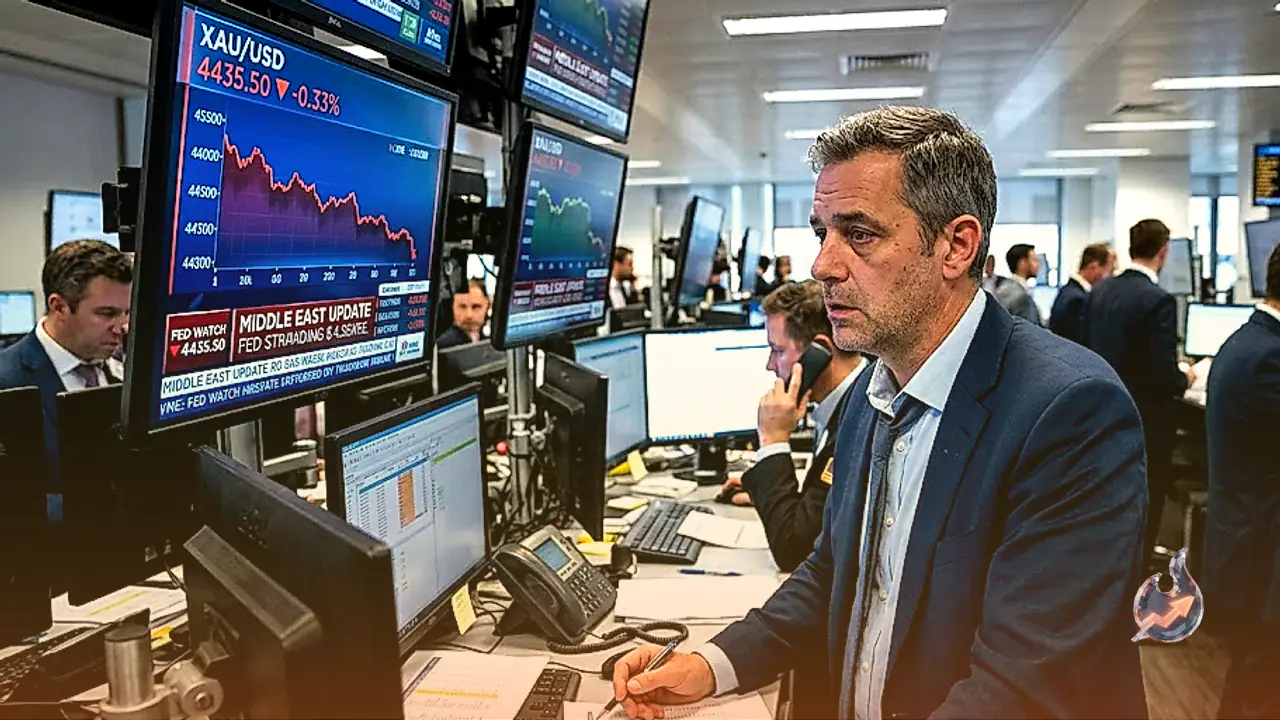
Gold prices attempted to build on overnight bounces from below the $4,400 threshold as a weaker US Dollar provided mild support, though upside potential remained capped. Hawkish signals alongside oil-driven inflation risks have strengthened bets on potential rate adjustments, while heightened geopolitical tensions between the US and Iran continue to bolster safe-haven demand. In digital assets, corporate treasury accumulation continued as BitMine Immersion Technologies acquired 53,501 units of ETH, marking its largest weekly purchase since June and bringing its total holdings to 5.901 million tokens valued at $14.63 billion. In the energy sector, diesel markets flashed tight supply signals as the US diesel crack spread surged past $100 per barrel for the first time, hitting an intraday peak above $102.00.