
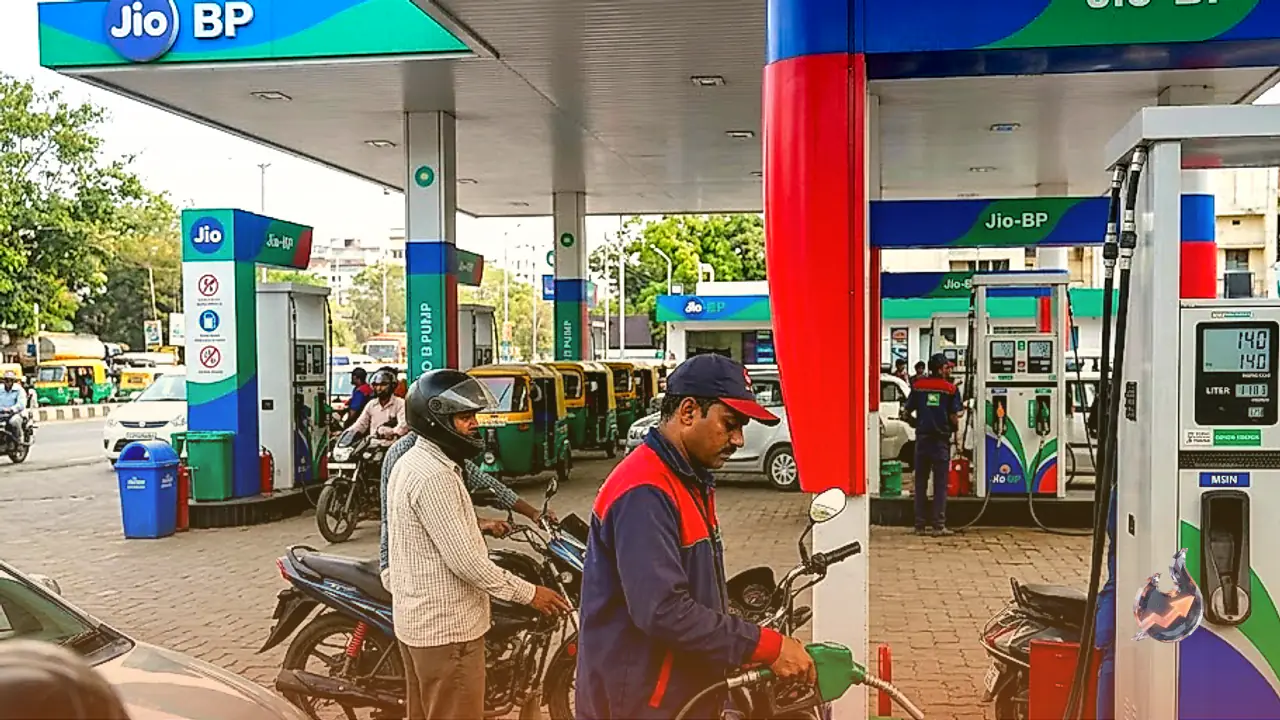



















Sustained upward momentum in international crude benchmarks has triggered retail price revisions across private fuel dispensing networks. Jio-BP outlets have implemented an upward revision of Rs 5 per litre on petrol and Rs 3 per litre on diesel. The sharp climb in global procurement expenses, driven by regional security disruptions and supply tightness, is directly reflecting on pricing boards across private retail stations in multiple states.
Global Crude Pressures and Economic Repercussions
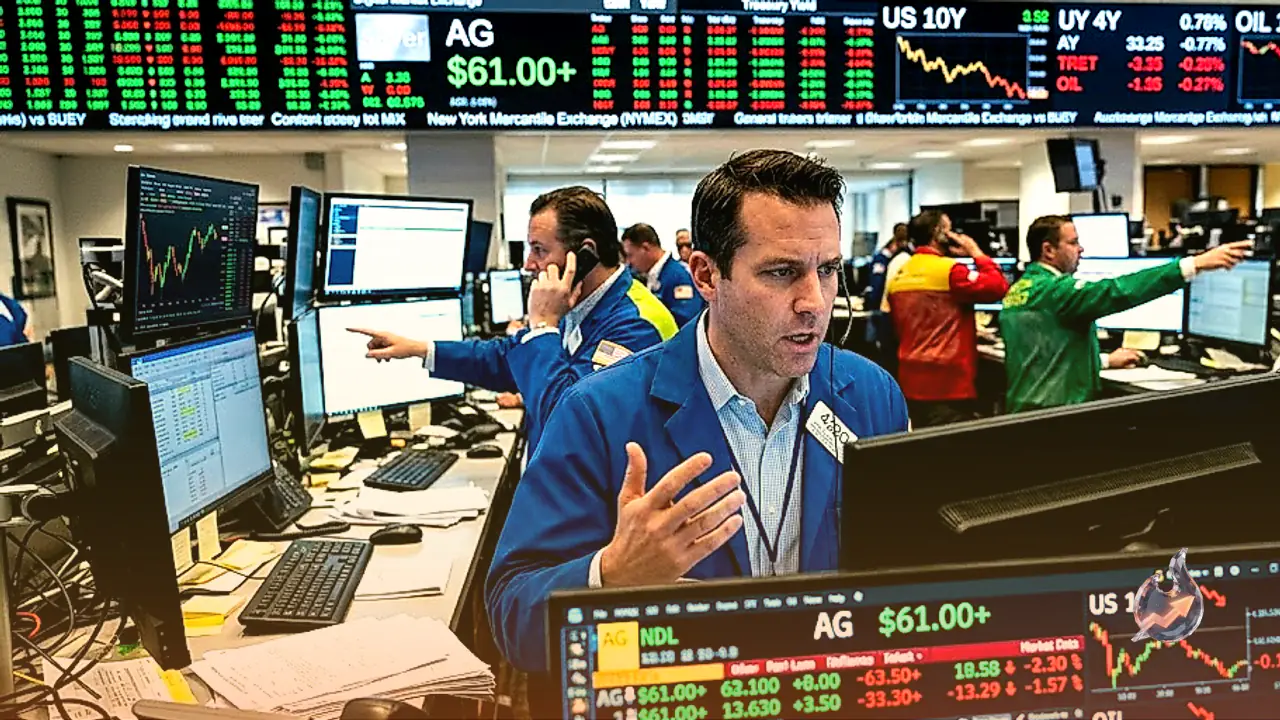
The primary driver behind higher domestic retail rates is the persistent elevation of international oil benchmarks. Brent crude continues to trade above $103 per barrel. Prolonged friction between the United States and Iran has injected volatility into global commodity flows. Driven by this standoff, year-on-year performance figures show US WTI crude futures climbing by 51%, while Brent crude oil futures have surged by 62.5% over the same comparison period.
Financial strategists note that these stubborn energy price levels create headcurrents for the broader domestic economy. Hariselvan Radhakrishnan, Founder & CEO of HST Wealth, observed regarding the macroeconomic backdrop: "Brent crude settling near $104 a barrel continues to complicate India's macroeconomic outlook, limiting the relief from its recent pullback and keeping inflation risks elevated." Persistent cost pressures in energy, he explained, threaten to constrain monetary policy adjustments while compressing operational margins for industries closely linked to oil consumption.
State-Wise Retail Price Breakdown at Private Stations
Following this adjustment, motorists visiting Jio-BP pumps across Haryana will find petrol retailing at Rs 109.80 per litre, whereas diesel is being dispensed at Rs 97.75 per litre. Across urban centres in Punjab, the network has pegged petrol at Rs 108.54 per litre alongside a diesel tariff of Rs 99.19 per litre.
In Rajasthan, state-level levies and localized value-added tax variations have created a wider price spectrum across districts. Petrol across the state ranges between Rs 113.91 and Rs 117.65 per litre, while diesel is priced from Rs 97.15 to Rs 100.78 per litre, crossing the century mark in specific territories depending on regional tax structures.
Private Market Steps and State Oil Marketing Companies
The pricing move by Jio-BP mirrors an earlier adjustment by another private fuel distributor. On October 3rd, Nayara Energy introduced a matching hike of Rs 5 per litre on petrol and Rs 3 per litre on diesel across its network of 7,108 petrol pumps. Conversely, state-run oil marketing companies (OMCs) have maintained a pause on retail revisions this month, leaving them to shoulder the financial burden of selling imported refined products below elevated procurement costs.
Current Fuel Quotations Across Major Indian Metros
Prevailing fuel rates at retail stations in major urban centres show marked regional variations. In New Delhi, 1 litre of petrol is priced at Rs 102.12, with diesel standing at Rs 95.20 per litre. In Kolkata, consumers pay Rs 113.51 per litre for petrol and Rs 99.82 per litre for diesel.
Commercial hubs in the west and south also display elevated figures. In Mumbai, petrol is listed at Rs 111.21 per litre while diesel is priced at Rs 97.83 per litre. Chennai records petrol at Rs 107.77 per litre and diesel at Rs 99.55 per litre. In Bhubaneswar, diesel breached the threshold to settle at Rs 100.68 per litre, alongside petrol at Rs 108.97. Bangalore stations sell petrol at Rs 111.68 per litre and diesel at Rs 99.56 per litre, while Noida quotes petrol at Rs 101.96 and diesel at Rs 95.44 per litre.
Geopolitical Alignments, Supply Accords, and Regional Conflict
Broader energy availability remains tightly intertwined with fast-moving international diplomacy and conflict. US President Donald Trump stated that his administration finalized an arrangement for Russia to deliver hundreds of thousands of tons of diesel fuel, pointing to a partial loosening of Moscow's export prohibitions. Trump further asserted that Russia and Ukraine agreed to an energy ceasefire taking immediate effect.
Concurrently, severe regional hostilities in the Middle East continue to imperil transport routes. Saudi Arabia's primary airport faced another strike on Sunday by Iran-backed Houthi militants, following an assault a day earlier that left 12 individuals dead and more than 300 injured. The strikes prompted Trump to weigh joint military retaliation alongside Saudi Arabia targeting Houthi positions in Yemen. In diplomatic channels, Iranian Foreign Minister Abbas Araghchi contacted his counterpart in Riyadh to discuss the sharp regional escalation and diplomatic pathways to contain it, even as ongoing supply risks keep petroleum markets on edge.