





















The US Dollar Index (DXY), which gauges the performance of the American currency against a basket of six major competitors, faced renewed selling interest at the start of the week, pulling back toward the 102.00 threshold during the Asian session. A mild retracement in US Treasury yields prompted short-term traders to lock in gains following the index's climb to its highest level since April 2025 late last week. However, the greenback remains well within a familiar trading channel, indicating that the ongoing retreat represents a standard consolidation phase rather than an aggressive trend reversal.
Treasury Yield Retracement and Hawkish Fed Minutes
US Treasury yields have pulled back from multi-year peaks, curbing the upward momentum of the greenback and keeping bulls somewhat defensive. Even so, the policy stance of the Federal Reserve provides steady structural support that cautions against aggressive bearish positioning. Minutes from the September Federal Open Market Committee (FOMC) gathering, published last Wednesday, confirmed that monetary authorities continue to view elevated inflation as the principal risk confronting the economy, reinforcing the rationale for keeping financial conditions restrictive.
Macro analysts at Nordea noted that domestic economic indicators point to persistent price pressures. According to Nordea, recent Institute for Supply Management (ISM) services metrics revealed that the prices index climbed to its highest mark since July 2022, while the corresponding employment index moved back into expansionary territory. Nordea further highlighted that while the September FOMC minutes underscored broad agreement on inflation remaining uncomfortably sticky, policymakers held differing perspectives regarding the exact path forward for upcoming policy adjustments.
CME FedWatch Points to Over 85% Odds of December Rate Hike
Market pricing reflects considerable conviction that the Federal Reserve has not finished raising interest rates. Data tracked by the CME Group's FedWatch Tool indicates that derivatives traders are pricing in greater than an 85% likelihood of the US central bank delivering another interest rate increase at its December gathering. This overwhelming expectation of prolonged monetary tightening establishes a solid floor beneath the dollar, as elevated real yields continue to draw foreign capital into dollar-denominated assets.
Middle East Conflicts Fuel Safe-Haven Greenback Demand
Geopolitical turbulence in the Middle East has injected a fresh risk premium into the foreign exchange landscape, reinforcing the greenback's traditional role as a refuge asset. An intensifying standoff between Washington and Tehran continues to deter heavy dollar selling. In recent developments, Iran's senior national security official dismissed Washington's diplomatic response regarding the potential reopening of the strategically critical Strait of Hormuz, categorizing the American communication as inadequate.
Regional security conditions deteriorated further following a lethal Houthi strike targeting Riyadh's primary international airport, which prompted Saudi authorities on Saturday to pledge retaliatory action. Simultaneously, President Donald Trump raised the prospect of US involvement in coordinated military strikes against the Houthi movement alongside the potential resumption of direct strikes on Iran. These geopolitical flashpoints maintain elevated risk aversion across financial markets, meaning traders require substantial evidence of sustained selling pressure before concluding that the DXY has established a cyclical peak.
Technical Structure and Key Chart Thresholds
From a chart perspective, the sideways price movement observed over the past week fits neatly into a bullish consolidation pattern following the substantial rally that originated from the September monthly swing low. The DXY exhibits a controlled, corrective drift rather than impulsive downward liquidation. Technical indicators suggest that any extended pullback toward the 101.80 to 101.70 zone, which represents a prior horizontal resistance level turned support, is likely to attract fresh dip buyers. Conversely, dollar bulls are anticipated to hold back from placing aggressive long positions until the index clears its year-to-date peak near 102.55.
Cross-Currency Performance Across Asian Trading
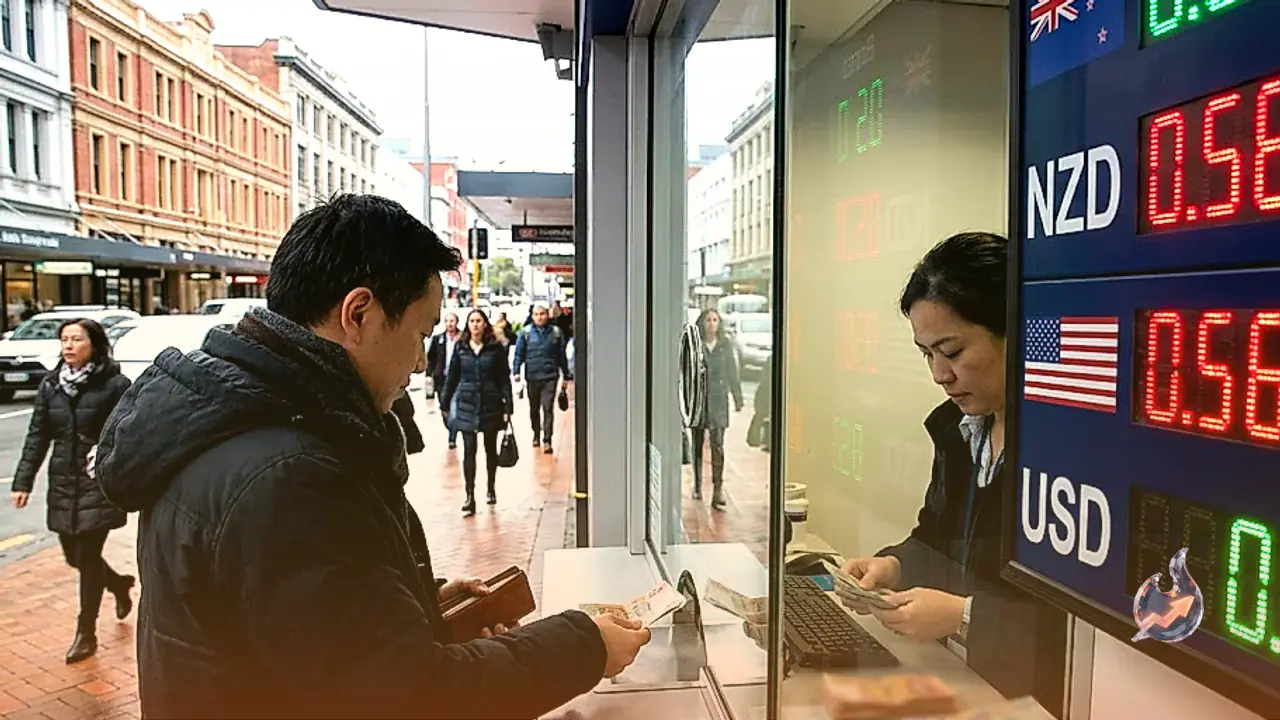
Across the foreign exchange landscape, the US Dollar showed the greatest relative strength against the New Zealand Dollar. In other major pairs, holiday schedules in both Tokyo and New York contributed to thinner market liquidity and constrained volatility. The AUD/USD pair managed to fill an early bearish opening gap on Monday but remained pinned below 0.7000 throughout the Asian session. Although softer US bond yields offered temporary relief, the US Dollar attempted to rebound, and waning expectations for an additional Reserve Bank of Australia (RBA) cash rate increase in November kept the Australian currency under pressure.
Meanwhile, the USD/JPY pair extended its sideways trajectory, maintaining levels above 158.00. While retreating US bond yields curbed upside progress, dollar bulls remained cautious amid lingering speculation that Japanese monetary officials might intervene directly in foreign exchange markets to defend the Yen. Nevertheless, regional geopolitical friction and light trading volume kept the safe-haven US currency insulated from significant downward exposure.
Gold Surges Toward $4,215 on Inflows and Softer Dollar
Capitalizing on dollar softness and geopolitical anxieties, spot gold advanced to trade near $4,215 per troy ounce during Monday's early Asian session. The bullion rally received substantial reinforcement from surging institutional and retail demand. Figures compiled by Bloomberg revealed that capital allocations into gold-backed exchange-traded funds surged to their highest level in four years, underpinning the precious metal's strong upward trajectory alongside the dip in the greenback.