




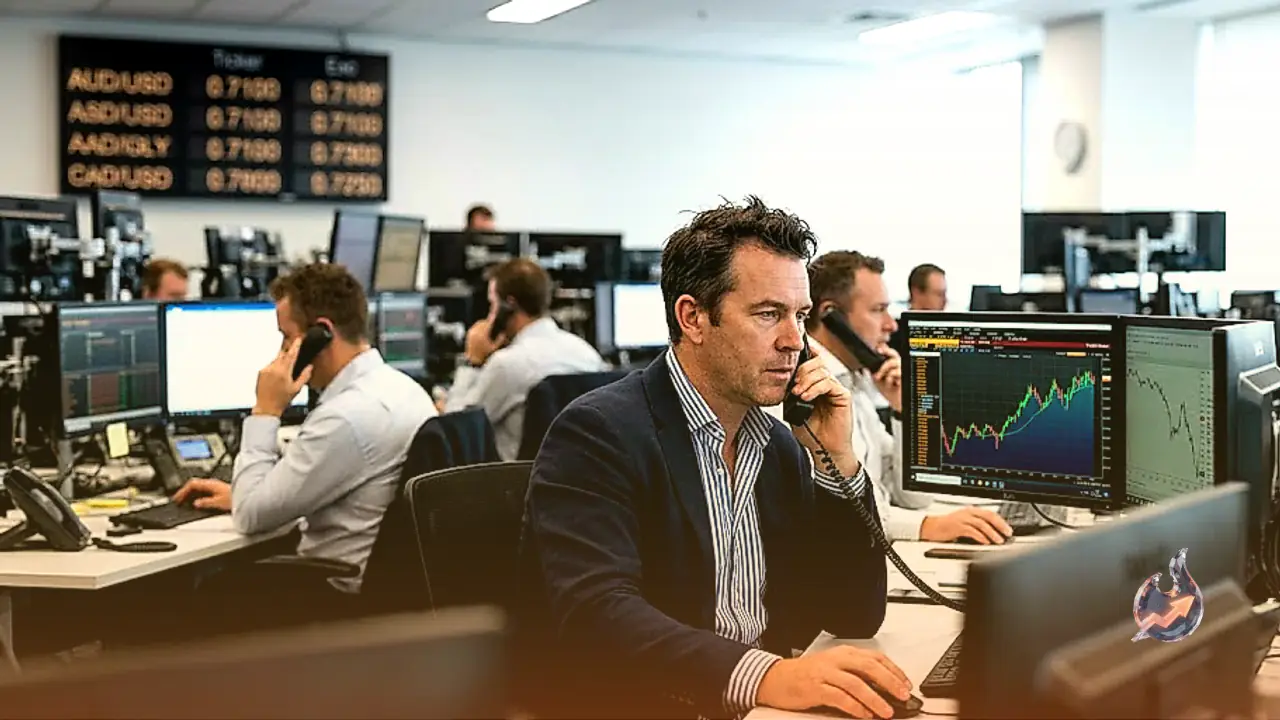




















Concerns surrounding the sustainability of the artificial intelligence boom sent shockwaves through Wall Street, triggering an aggressive retreat in technology shares and pulling broader benchmarks into the red. Signs of exhaustion in the momentum that has propelled hardware and software valuations all year emerged after weekend discussions signaled a potential deceleration in the rollout and adoption of AI technologies. The ensuing slide weighed heavily on investor sentiment, dragging the benchmark S&P 500 down and highlighting the fragile state of risk appetite during a historically volatile September trading period.
Chip Benchmark Registers Worst Daily Drop Since July
The semiconductor space bore the brunt of the downturn, reflecting immediate profit-taking and anxiety over future hardware demand. The Philadelphia Semiconductor Index, broadly tracked as the Philly semiconductor index, plunged 5.86 percent in a single trading session. This marked its steepest one-day decline since July, demonstrating the sensitivity of high-multiple hardware manufacturers to any shift in industry expectations.
Investors moved swiftly to recalibrate exposures across chip designers, foundries, and peripheral equipment suppliers. The abruptness of the decline illustrated how tightly tied broader equity market strength has become to continuous, uninterrupted growth in high-performance computing infrastructure.
Donald Trump Steps in but Wall Street Closes Near Lows
The sudden retreat in semiconductor valuations drew immediate attention from the political sphere, prompting Donald Trump to issue statements aimed at defending the domestic tech base. Rebuffing expectations of an impending slowdown, Trump pointed out that Washington already holds substantial regulatory and criminal authority over tech corporations.
In a subsequent public message, he emphasized that the United States maintains a decisive competitive lead over all international rivals, cautioning against stifling an industry that serves as a vital economic engine. Although his comments generated a temporary bounce across battered semiconductor names during the session, the buying interest evaporated quickly. Stocks slid right back toward session lows by the final bell, confirming that macro caution and institutional selling pressure remained dominant.
Asian Equities Trend Downward While Futures Remain Muted
Weakness from the New York session carried directly into Asian trading, though the magnitude of declines across regional exchanges was comparatively measured. Australia's S&P/ASX 200 fell 0.89 percent, while South Korea's KOSPI declined 0.71 percent as regional tech and manufacturing components felt the chill.
Elsewhere, Hong Kong's Hang Seng index shed 0.23 percent, Japan's Nikkei slipped 0.16 percent, and mainland Chinese equities hovered just inside negative territory. Looking ahead to subsequent trading hours, US index futures drifted a couple of tenths of a percent lower, whereas European index contracts remained virtually unchanged, signaling widespread hesitation among institutional market participants.
Currency Trends Dominated by Elevated Yields and Policy Speculation
Currency desks maintained a defensive posture as US bond yields hovered near multi-year highs. Expectations of persistent borrowing costs driven by Federal Reserve rate-hike wagers, coupled with inflation risks tied to crude oil prices, kept the greenback well-supported across the board. In this environment, the AUD/USD pair stayed on the defensive below 0.7150 on Tuesday, holding uncomfortably close to an over three-week low touched during the preceding session. Mixed macroeconomic performance figures out of China for August did little to provide upward momentum for the resource-dependent Australian currency.
Concurrently, USD/JPY advanced steadily toward the 155.00 threshold during early Tuesday trading. Currency dealers prepared for back-to-back monetary policy decisions from both the Federal Open Market Committee and the Bank of Japan later in the week. While the prevailing yield advantage favors the dollar, potential hawkish adjustments toward interest-rate normalization by Japanese monetary authorities could provide support for the yen and cap further steep gains in the pair.
Gold Consolidates Just Beneath Key Resistance
Precious metals mirrored the broader hesitancy across financial markets, with gold unable to build upon early morning gains in Asia. The yellow metal hovered near a one-month low recorded during the previous session, changing hands just under the $4,300 benchmark. Market participants largely shifted to the sidelines, reluctant to deploy fresh capital before gaining clarity from the commencement of the crucial two-day FOMC policy meeting.