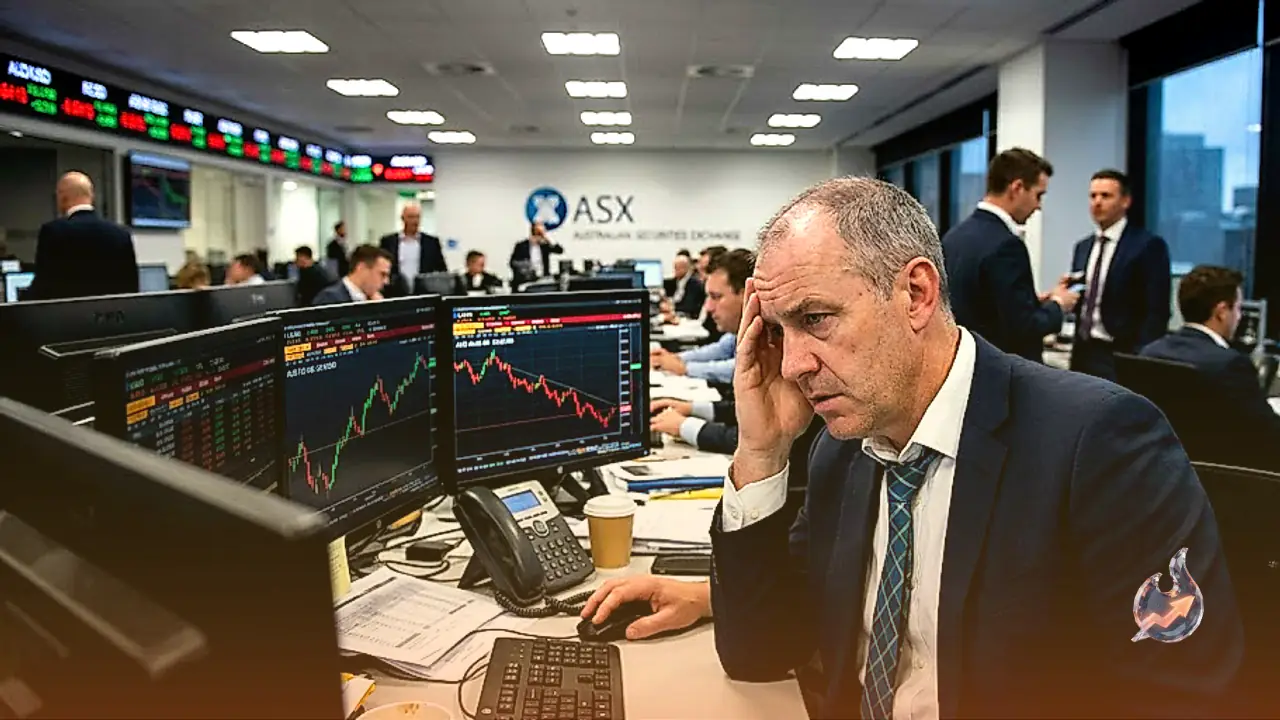

























Precious metals are facing persistent downward pressure in international commodity markets, with silver recording a notable pullback across major trading desks. A hawkish stance maintained by the Federal Reserve, which points toward elevated borrowing costs in upcoming monetary policy reviews, has dampened interest in yieldless investment assets. Under this sustained macro pressure, silver spot prices fell toward the $66.50 per ounce territory. Market participants are positioning with heightened caution ahead of fresh purchasing managers index readings from the United States, keeping short-term selling sentiment elevated.
Financial markets are currently pricing in an 89.2% probability of a policy rate hike in December as key economic figures loom. With the central bank signalling a monetary target between 3.75% and 4.00%, yield-bearing government debt instruments continue to offer attractive nominal returns. This development directly curbs the appeal of bullion assets such as silver and gold, which do not distribute periodic yield or dividends. Consequently, portfolio managers and institutional accounts have been recalibrating their defensive allocations to account for the sustained cost of holding physical precious metals.
Geopolitical Realignment and Strait of Hormuz Dynamics
Alongside central bank policy signals, evolving diplomatic developments across West Asia are introducing new variables into global commodity pricing. US President Donald Trump stated that American officials held a very productive meeting with Iranian delegates. Following these interactions, Tehran signaled that it could reopen the vital maritime corridor of the Strait of Hormuz within seven days, contingent upon the United States easing military pressures and withdrawing its maritime blockade against Iranian shipping terminals.
The potential normalization of transit through one of the world's primary energy arteries has contributed to stabilizing crude oil markets. Quieter energy benchmarks help ease broader inflation expectations across consumer economies. Analysts observe that lower energy input costs, paired with diplomatic progress between Washington and Tehran, could temper systemic price pressures. While reduced geopolitical risk occasionally reduces immediate safe-haven bullion accumulation, a more predictable trade environment often supports baseline industrial consumption for base and precious metals alike.
Silver's Traditional Standing as an Investment Medium
Silver occupies a dual role in global finance, widely traded as both a liquid asset and an enduring store of purchasing power. Throughout mercantile history, it served alongside gold as an established medium of exchange. While gold generally commands higher institutional recognition, active traders utilize silver to balance portfolio concentration, hedge against aggressive consumer price increases, and capture cyclical swings in intrinsic metal value.
Investors regularly gain exposure through physical holdings, such as minted coins and bullion bars, or through exchange-traded funds that track spot benchmarks on international exchanges. The pricing structure of silver responds to several interacting catalysts. Escalating geopolitical confrontations or deep recessionary warnings tend to lift silver due to its safe-haven characteristics, although typically with less magnitude than gold. Because international contracts are quoted in greenbacks (XAG/USD), currency trends play a pivotal role; an ascending US dollar usually caps commodity gains, whereas greenback depreciations typically pave the way for price advances.
Industrial Applications, Resource Supply, and Gold-Silver Ratios
A distinctive dimension of silver is its structural reliance on the real economy, driven by widespread integration into electronics manufacturing and photovoltaic hardware. Silver possesses the highest electrical conductivity of any metal, surpassing both copper and gold. This unique chemical characteristic makes it indispensable for renewable solar panels and advanced electronic components. Surges in global manufacturing schedules regularly generate positive momentum for spot prices, whereas industrial contractions soften demand metrics.
On the supply side, silver deposits are considerably more abundant across global geology than gold, ensuring higher annual refined volumes. Global supply balances are further determined by secondary recycling throughput and operational mining output. Geographic demand profiles vary considerably across major nations: the sizable industrial frameworks of China and the United States require extensive physical volumes for advanced manufacturing, while domestic consumer purchases in India, particularly for traditional jewelry and gift fabrication, exert a strong baseline influence on international balance sheets.
Trading desks frequently benchmark silver against gold movements, as shifts in collective risk sentiment tend to impact both precious metals in tandem. To evaluate comparative pricing efficiency, market specialists track the gold-to-silver ratio, which calculates the exact number of silver ounces required to purchase an ounce of gold. An elevated ratio is widely viewed by technical analysts as an indicator that silver may be historically underpriced or that gold has grown temporarily extended. Conversely, a compressing ratio indicates relative resilience in silver or a valuation pullback in gold.
Cross-Asset Developments in Global Currency and Rates Markets
Broader currency sessions exhibited consolidation during Wednesday's Asian trade, with the Australian dollar remaining tightly bounded around the 0.7100 handle against the US dollar. Preliminary Australian manufacturing data pointed to contractionary conditions, alongside sluggish momentum in services for the second consecutive month. In addition, dollar firmness remained intact ahead of an anticipated summit between Donald Trump and Chinese President Xi Jinping on Thursday, while foreign exchange desks showed limited reaction to preceding diplomatic exchanges involving the United States and Iran.
Simultaneously, USD/JPY fluctuated around the mid-157.00 region, holding near two-week peaks reached late last week. The Bank of Japan opted to adjust its short-term interest rate target higher, lifting it from 1.00% to 1.25% in a 7-2 vote. Because this monetary adjustment aligned directly with extensive pre-meeting consensus, the Japanese yen received minimal support, though potential official intervention from Japanese authorities continues to deter aggressive upward dollar momentum. Elsewhere, gold remained defensive near sub-$4,300 zones, capped by strong dollar valuations and cautious rate trajectories, while softened crude prices helped prevent deeper downside by moderating bond yield spikes.