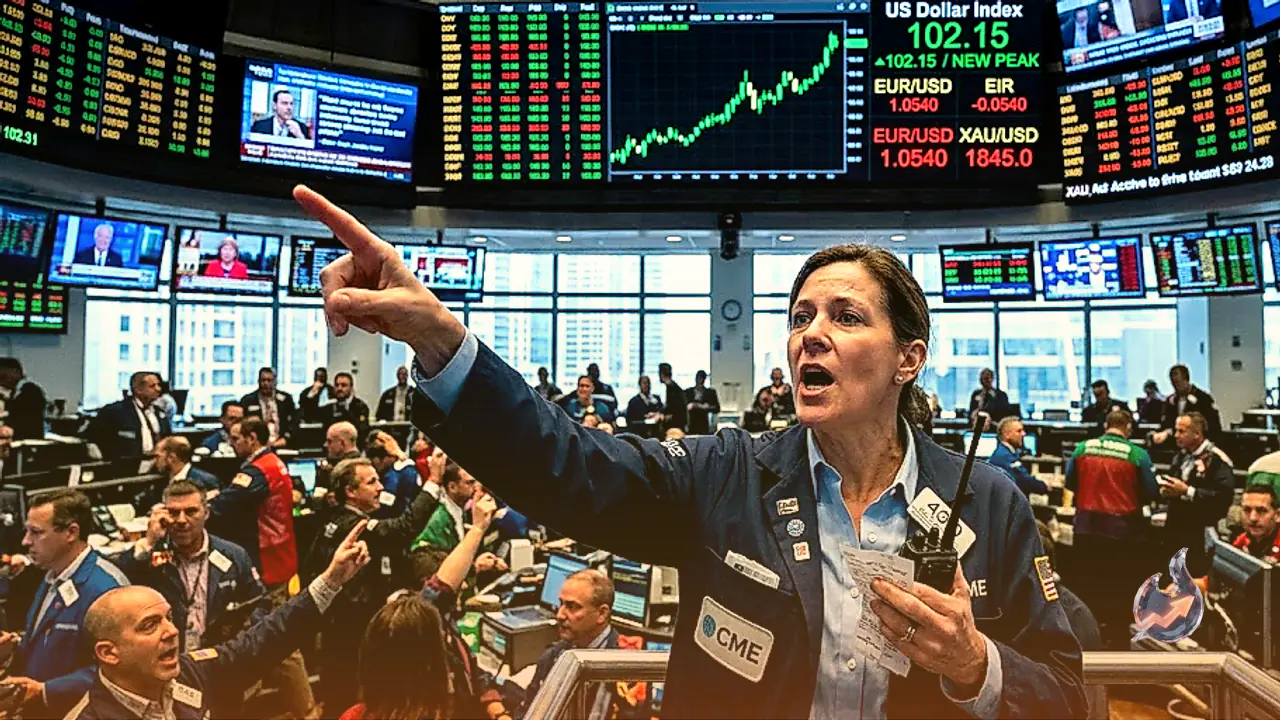

























Silver (XAG/USD) continues to trade in an unusually tight range near the $60 mark per ounce, anchoring itself at the lower boundary of its annual band. In standard market conditions, precious metals experience severe turbulence whenever the United States Dollar (USD) surges across the board or sovereign debt markets sell off aggressively. Yet, the bright metal has exhibited stubborn indifference even as benchmark 10-year US Treasury bond yields have broken above 5.3%, touching multi-decade highs. Neither heightened geopolitical frictions in the Middle East nor continuous reassessments of Federal Reserve (Fed) monetary trajectory have managed to jar silver out of its prolonged slumber.
Energy Disruptions, Inflationary Pressure, and Strait of Hormuz Traffic
A web of interconnected macroeconomic forces currently governs the pricing dynamics of silver. Among the most direct catalysts is the inflationary threat sparked by spikes in energy markets amidst the ongoing Middle East conflict. Escalations in regional warfare typically disrupt crude petroleum delivery routes, driving shipping premiums and consumer price indices higher. However, crude oil prices have experienced relative stabilization despite persisting regional hostility. A critical factor behind this temporary calming of energy prices is the resumption of commercial petroleum transit across the vital Strait of Hormuz. While these maritime transport volumes may not match peacetime volume or operate under optimal pre-war conditions, they remain sufficiently robust to prevent an outright supply shock and alleviate acute energy bottlenecks.
Central Bank Tightening Paths and Powell's Data-Driven Doctrine
The inflation originating from elevated energy costs fundamentally altered the policy roadmaps of sovereign monetary authorities worldwide. In the aftermath of pandemic-era disruptions, major central banking institutions had prepared to reduce benchmark interest rates under the presumption that price volatility was securely anchored. The renewed inflation risks reversed that strategy, driving central bankers back toward monetary tightening. Many international monetary policymakers acted aggressively and preemptively, keen to avoid repeating their sluggish response to the initial 2020 economic shock.
By comparison, the Federal Reserve lagged behind its global peers in enacting policy pivots, though market observers recognize that deliberateness should not be mistaken for institutional hesitancy. Former Fed Chair Jerome Powell maintained a conservative, data-dependent approach that adhered strictly to incoming macroeconomic metrics. The central bank's decisions were guided by data consistency rather than political convenience in Washington. More recently, softer-than-projected US Personal Consumption Expenditures (PCE) inflation statistics have undercut the bearish narrative for silver. Because cooling inflation figures drastically lowered expectations of an October interest-rate increase, downside liquidation in the metal was arrested, thereby locking spot silver into its motionless state near the $60 baseline.
Speculative Positioning and the Catalyst of Geopolitical Surprises
Financial asset prices tend to move violently when confronted with unexpected shocks rather than anticipated realities. Speculative market participants are holding off on establishing substantial directional exposure until a distinct catalyst emerges. The Middle East theater remains the predominant variable capable of providing that macro jolt. A shocking scenario would entail a complete and abrupt withdrawal of United States involvement from the region, leaving conditions as if the confrontation never transpired, though market participants view this development as exceedingly improbable. A less shocking yet potent outcome would be a fresh surge in armed hostilities that shuts down tanker transit across the Strait of Hormuz, an event that could quickly unleash aggressive safe-haven and commodity buying.
Broader Market Movements Across Currencies, Gold, and Digital Assets
Silver's quiet consolidation unfolds alongside notable technical setups across foreign exchange and broader financial markets. The Australian Dollar paired with the US Dollar (AUD/USD) consolidated near two-month lows around the mid-0.6900s during Thursday's Asian trading window, suppressed by broader greenback demand. Even though softer US PCE prints curbed expectations of an imminent October rate hike, lingering energy inflation fears kept US yields firmly anchored at multi-year peaks. Concurrently, Australia's trade surplus contracted sharply to AUD495M in August, yielding minimal sustained impact on currency pair fluctuations.
At the same time, USD/JPY held near the upper ceiling of its weekly range, changing hands comfortably above 158.00 in Asian hours. Safe-haven inflows stemming from the protracted US-Iran standoff provided sustained upward momentum to the pair, allowing broader dollar strength to override hawkish Bank of Japan (BoJ) rate expectations and looming Japanese currency intervention threats. Gold similarly traded without an established compass on Thursday, consistently capped beneath the pivotal $4,200 threshold per troy ounce as advancing greenback valuations counteracted safe-haven tailwinds. In the digital asset sector, Bitcoin fluctuated within a defined band bounded by support at $82,500 and resistance at $85,000. Ethereum remained subdued beneath the $2,700 mark while leaning on immediate support at $2,600, and Ripple slipped under the pivotal $1.50 marker. In aggregate, market sentiment has undergone a rapid recalibration regarding monetary policy: within the span of a single week, expectations shifted from viewing an October interest rate hike as the primary base case to adopting an interest-rate pause as the dominant market consensus.