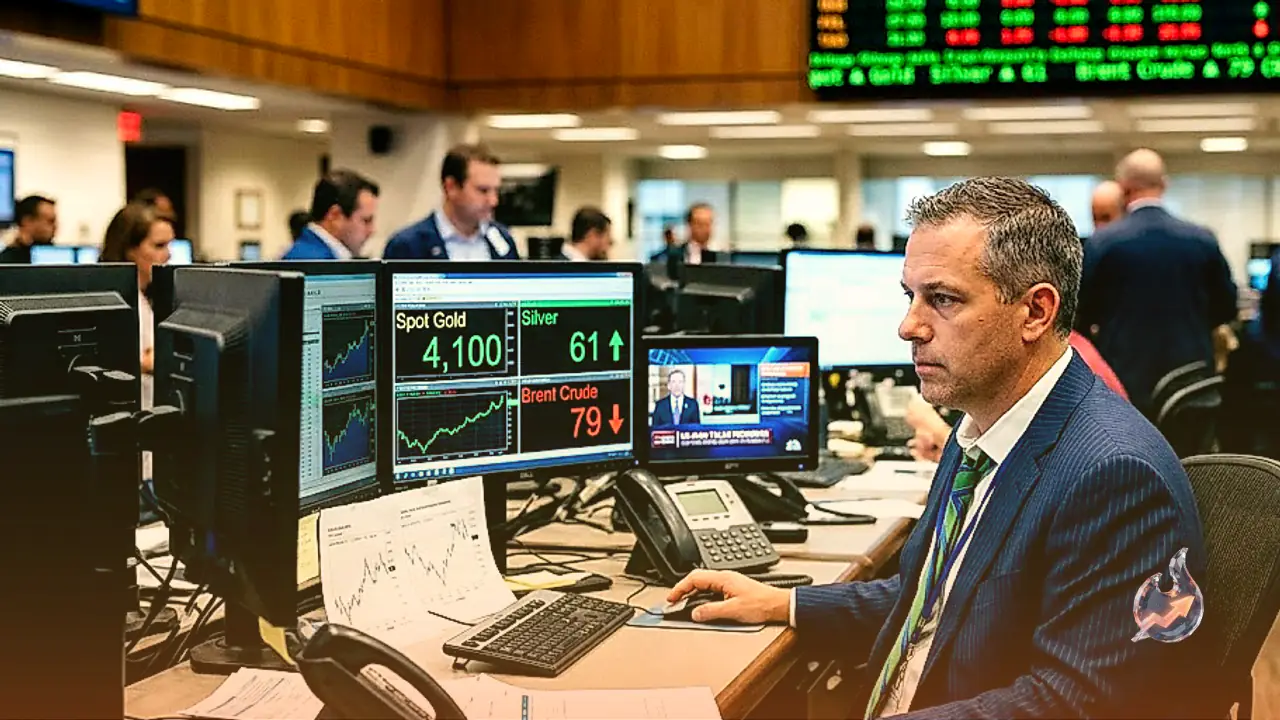























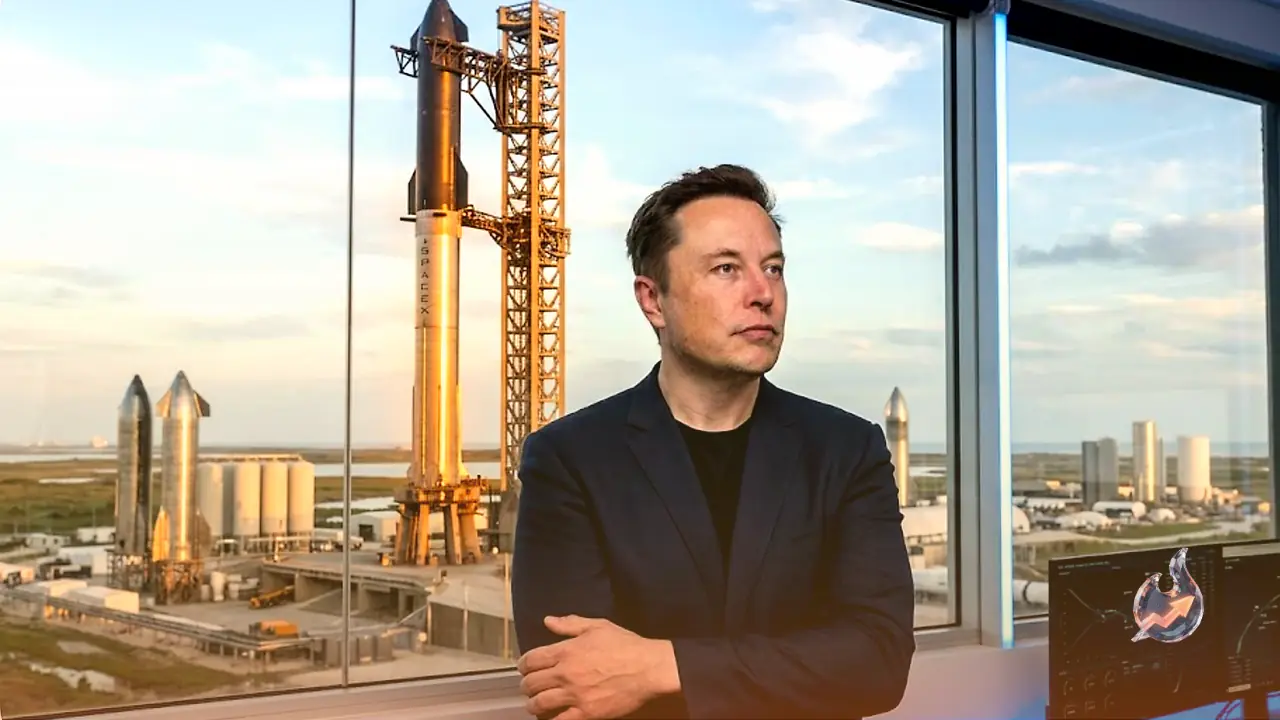

The SpaceX stock price prediction for 2030 is currently one of the most highly debated topics on Wall Street. Since going public on June 12, 2026, at an initial offering of $135 per share, the stock surged 19% on its first day and has maintained its upward momentum. This rally has pushed the projected market capitalization of SpaceX beyond the $2.5 trillion threshold.
Prior to the listing, institutional models had established varying price targets for 2030. Goldman Sachs set a target of $135, while ARK Invest proposed a base case of $190 and a bullish target of $235. The stock easily surpassed all three metrics within its first week of trading. Conversely, Morningstar established a fair value estimate of $63 per share, indicating that the ticker SPCX is currently trading at a massive 397% premium. New Constructs also provided a more conservative 12-month target of $115, illustrating a vast disagreement among market analysts regarding the company's valuation.
Morningstar equity analyst Nicolas Owens offered context on the company's competitive positioning, stating, "SpaceX has transformed the economics of space launch and dominates the market for lifting spacecraft into orbit, and it has a decade lead on most competitors in experience and payload launch volumes. The company’s aggressively lofty valuation implies investors will have to wait decades for earnings to grow into SpaceX’s multiples."
Elon Musk's $1 Trillion Projections vs. Institutional Estimates
Amid the post-IPO market enthusiasm, Elon Musk took to X to share his long-term revenue outlook. He posted, "I think SpaceX might be able to reach approximately $1T revenue in 2030." He followed this up by stating, "And I would be surprised if revenue is not greater than $1T in 2031."
Achieving this target would require an extraordinary growth trajectory. SpaceX recorded $18.7 billion in revenue for the year 2025. Reaching $1 trillion by 2030 would necessitate a 53-fold increase over a five-year span, a milestone never before achieved by a corporation of this scale. Major financial institutions remain highly skeptical of these figures. Goldman Sachs has modeled a 2030 revenue projection of $474 billion, while Morgan Stanley estimates it at $330 billion, with approximately $190 billion originating from AI infrastructure.
Furthermore, the growth of Starlink remains a critical variable. Telecommunications analyst Tim Farrar pointed out that the average revenue per user experienced a dramatic decline during the first quarter. Farrar also mentioned that recent pricing adjustments for Starlink suggest that actual revenue is falling slightly short of prior expectations, indicating that the stock's current momentum is running ahead of actual subscriber metrics.
Evaluating the $30 Trillion Valuation and the Profitability Reality
Prominent investor Ron Baron, whose fund achieved a staggering 1,312% return on its SpaceX investment, has projected that the company's market valuation will reach between $10 trillion and $30 trillion by the year 2040. As of April 2026, Baron's flagship fund held approximately 33% of its total assets in SpaceX equity. To put a $30 trillion market cap in perspective, this figure exceeds the total US GDP for 2025, which was recorded at approximately $29.3 trillion.
While many investors draw parallels between SpaceX and Nvidia, analysts highlight a major discrepancy in financial health. Nvidia maintained consistent profitability throughout its valuation milestones, boasting net margins of over 55% as it crossed the $1 trillion valuation mark. In contrast, SpaceX reported a net loss of $4.9 billion in 2025, followed by an additional loss of $4.3 billion in the first quarter of 2026. This lack of profitability remains the primary driver behind bearish outlooks.
Steve Westly, founder of The Westly Group and a former Tesla board member, voiced caution during an appearance on CNBC's Squawk Box Asia, noting, "Retail investors bought $100 billion in shares, and you’ve got to ask the question, are some of them going to get panicky if SpaceX misses a few quarters, because this stuff is not easy to do."
The Upcoming Lock-Up Schedule and Market Risks
The short-term performance of SpaceX stock in 2026 will be heavily influenced by a staggered insider lock-up schedule. Roughly 20% of eligible insider shares are scheduled to unlock following the release of second-quarter earnings in September, with the majority of the supply entering the market in December.
Key institutional sellers during this period could include Founders Fund, DFJ Growth, D1 Capital, Fidelity, and Thrive Capital, alongside thousands of early employees seeking to liquidate their holdings. Any long-term 2030 price forecast must account for this impending supply influx, as the market's ability to absorb these shares will serve as the first genuine test of investor conviction at current price levels.