


















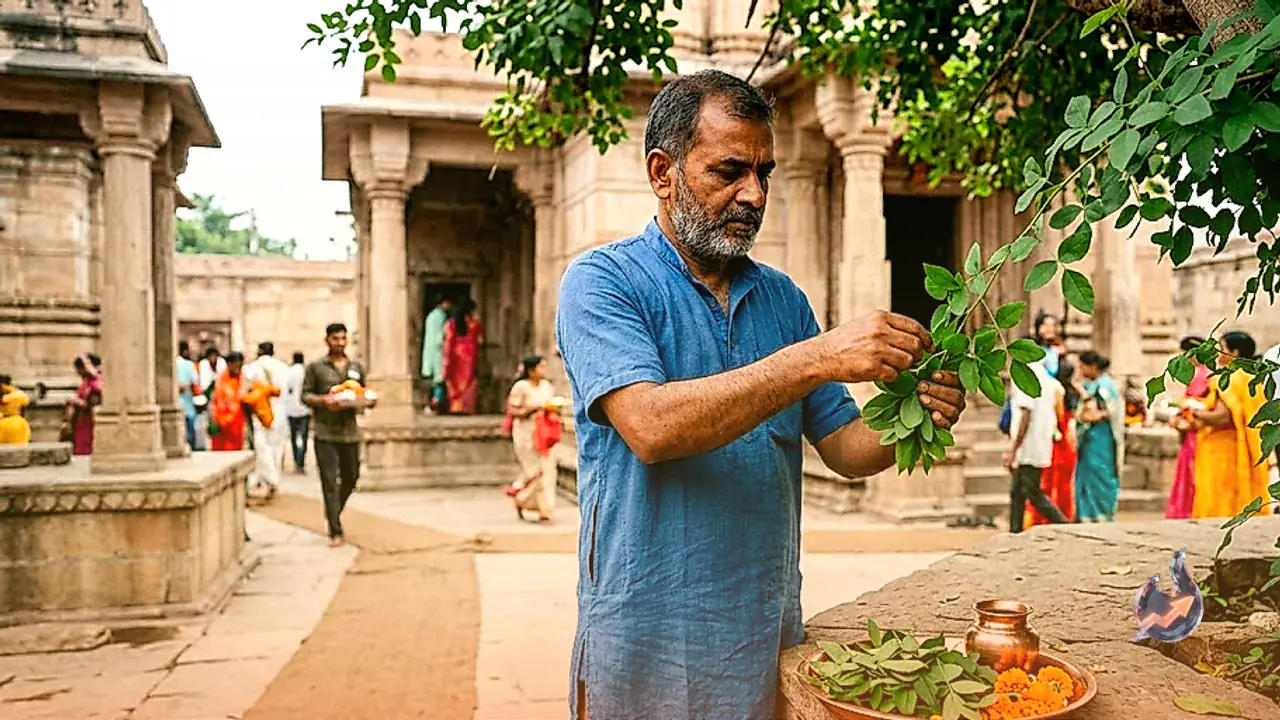

The holy month of Sawan remains active through August 28, 2026. In Hindu tradition, this entire month is considered exceedingly auspicious for worshipping Lord Shiva and seeking divine blessings. It is believed that simply offering a pot of clean water alongside a few Belpatra leaves on the Shivling during Sawan fulfills all genuine desires of a devotee. Because Belpatra is immensely dear to Mahadev, it forms an essential component of Sawan rituals. However, traditional scriptures outline specific rules regarding when and how Belpatra should be plucked and offered. Gathering leaves at inappropriate times, forbidden dates, or through incorrect methods may deprive the worshipper of full spiritual benefits and cause unintended religious shortcomings. Therefore, understanding the correct procedures is essential before performing Shiva worship.
Forbidden Days and Tithis for Plucking Belpatra
According to religious beliefs, plucking Belpatra on specific days and calendar dates is strictly prohibited. Although Monday is regarded as the most sacred day for Shiva worship, plucking Belpatra on Mondays is traditionally forbidden. For Monday rituals, the leaves should always be plucked a day earlier, on Sunday, and kept preserved for worship. Additionally, plucking leaves on dates such as Chaturthi, Ashtami, Navami, Chaturdashi, and Amavasya is strictly disallowed.
Apart from specific tithis, plucking Belpatra on Sankranti is also considered forbidden. Timing during the day also plays a crucial role. One must never pluck Belpatra after sunset. Touching the Bel tree during the evening hours is also advised against. Devotees should gather all required leaves during daylight hours before evening arrives.
Crucial Guidelines to Follow While Plucking Belpatra
A pure mindset and reverence are required when gathering Belpatra from the tree. Before plucking, one should meditate upon Lord Shiva and bow respectfully to the tree to seek permission. While gathering leaves, ensure that only individual leaf clusters are plucked. The branches or twigs of the tree must never be broken, as damaging the structure of the tree brings spiritual flaws.
Cutting down a Bel tree is strictly prohibited in traditional beliefs, as it is said to invite severe difficulties into one's life. Furthermore, for ritual offerings, select only intact trifoliate leaves where three leaflets remain naturally joined together. Leaves that are torn, dried out, damaged, or marked with unusual stripes should be avoided during worship.
Proper Method of Offering Belpatra on the Shivling
Positioning the Belpatra correctly on the Shivling is vital for completing the ritual properly. Belpatra should always be placed smooth-side down, meaning the shiny and smooth surface of the leaf directly touches the Shivling. Offering leaves in counts ranging from 3 to 11 is considered highly auspicious, though devotees may offer larger quantities based on availability and devotion.
If fresh Belpatra is scarce, traditional guidelines offer a practical remedy. In such situations, a single clean Belpatra can be washed thoroughly with clean water and offered repeatedly on the Shivling. A leaf washed with water retains its sanctity and yields equal spiritual fruitfulness in prayer.