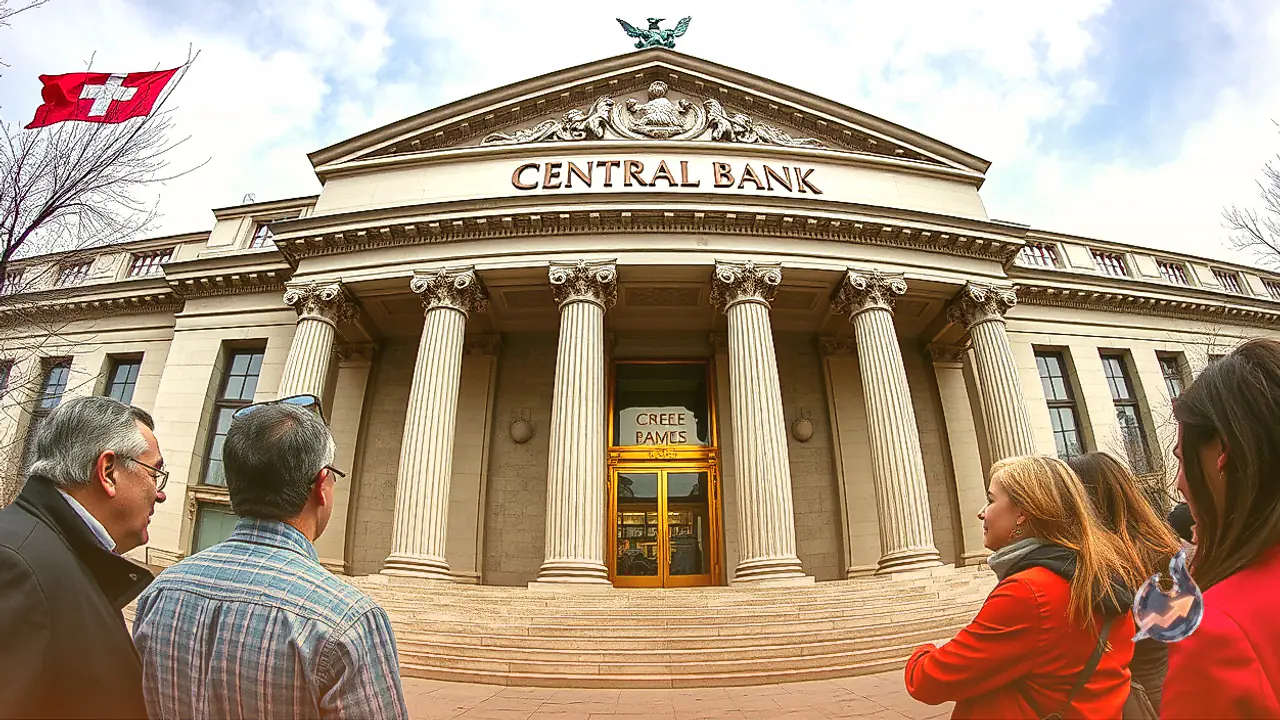





















A period of consolidation in crude oil prices and government bond yields provided critical support to international equity markets, driving benchmark European and United States indices toward record levels. Rather than requiring aggressive cuts in energy costs or borrowing rates, market performance demonstrated that a period of sideways movement alone is sufficient to reignite investor appetite for risk assets. European and US equity futures extended their upward trajectory into the start of the week, indicating continued positive momentum across major trading desks.
Consumer Shares Take the Lead Over Technology
Market observers pointed out that the current upturn departs significantly from typical cyclical rallies. Instead of heavy industrials or capital expenditure plays leading the charge, stabilizing crude oil prices directly revitalized consumer staples and consumer discretionary enterprises. Both consumer segments had faced severe operational and margin pressures since the outbreak of conflict in Iran. As energy prices plateaued, these vulnerable consumer businesses experienced a much-needed margin cushion. Meanwhile, investment enthusiasm surrounding artificial intelligence and massive capital expenditure themes showed noticeable moderation, indicating a rotation into balance-sheet resilience.
Cautious Trading Across Asian Exchanges
Trading in Asia presented a mixed picture at the opening of the week. Renewed hesitation emerged regarding artificial intelligence and broader technology valuations, preventing Asian indices from matching Western optimism. Analysts highlighted that market participants are evaluating the high costs associated with aggressive technology deployment. Despite lighter trading volumes resulting from regional public holidays, equity futures across European and American venues held their ground, reflecting broader resilience in Western bourses.
Foreign Exchange Dynamics: Dollar, Japanese Yen and Australian Dollar
Currency desks witnessed restrained movement amid thin holiday liquidity. The Australian Dollar closed an initial bearish gap against the US Dollar but failed to pierce above the key 0.7000 threshold during Asian hours. The US Dollar mounted a recovery attempt even as domestic sovereign bond yields retreated from multi-year peaks. The Australian currency faced further resistance from diminishing expectations of another interest rate hike by the Reserve Bank of Australia at its upcoming November gathering.
Concurrently, the USD/JPY currency pair remained trapped within a defined range above 158.00. Traders exercised extreme vigilance on growing expectations that Japanese financial authorities could intervene directly to defend the Japanese Yen against severe depreciation. While softer US bond yields curtailed significant advances for the greenback, ongoing geopolitical friction protected the safe-haven US currency from steep losses, especially in an environment of subdued participation due to holidays in Japan and the United States.
Reserve Bank Intervention Anchors the Indian Rupee at 95.80
In South Asian currency trading, the Indian Rupee displayed resilience following a sharp opening surge against the US Dollar, sustaining its recovery trajectory around 95.80. The domestic currency drew significant momentum from fresh policy steps introduced by the Reserve Bank of India to restrict commercial demand for US Dollars. By clamping down on speculative dollar acquisition, the central bank provided effective relief to the Rupee, maintaining stability against broader international cross-currency volatility.
Gold Pulls Back Under Pressure While Crude Drops on Ceasefire Hopes
In commodity transactions, gold surrendered early morning gains after climbing to a one-week high. Bullion fell beneath the $4,200 threshold per troy ounce during the European session, breaking its consecutive two-day winning pattern. A firm and hawkish interest rate stance from the US Federal Reserve limited the downside for the dollar, thereby curbing demand for non-yielding precious metals.
Simultaneously, crude oil prices declined as market sentiment responded favorably to reports surrounding an energy ceasefire agreement involving Russia and Ukraine. Market participants anticipate that such an arrangement will ease worldwide fuel supply disruptions, substantially softening inflationary pressures on global supply chains and reinforcing the operational outlook for energy-sensitive corporate sectors.
Digital Assets: Cardano Rebounds Over Critical Support
Within the cryptocurrency ecosystem, Cardano (ADA) climbed back above its critical support threshold on Monday following a 2.85% decline registered over the previous week. A revitalized technical setup and positive repositioning within the derivatives space assisted the token's rebound. Derivatives statistics mirrored this growing bullish appetite, with the CoinGlass long-to-short ratio for ADA advancing to 1.01 on Monday, successfully stepping into positive territory and highlighting renewed trader engagement.