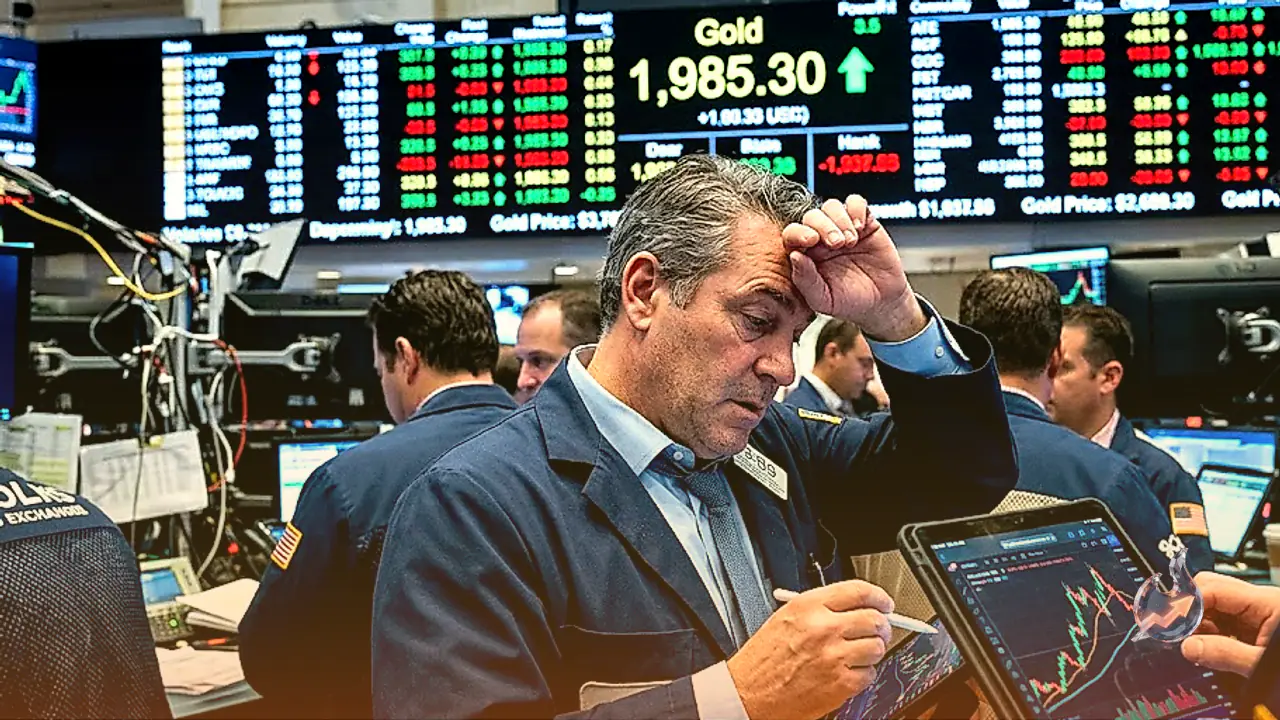

























Financial markets have been heavily focused on discussions surrounding fiscal deficits, Treasury buybacks, and the rising narrative of currency debasement. Amid these ongoing debates, the Dollar Index has been working to find a stable footing following a modest rebound, prompting analysts to re-examine how historical market cycles compare to current conditions.
Looking Back At Historical Precedents
Analyst commentary from financial institutions highlights that previous market environments marked by dollar weakness, surging gold prices, and climbing Treasury yields did not automatically trigger long-term declines for the greenback. Experts note that when these specific market signals reached extreme readings in the past, the subsequent behavior of the Dollar Index typically showed stabilization rather than persistent downward pressure. Conversely, gold prices frequently experienced a downward correction over the following one to three months after such peaks.
Treasury Operations And Liquidity Support
Adding to the structural market dynamics, the US Treasury department announced significant adjustments to its operational calendar. The department confirmed plans to at least double the maximum size of liquidity support buyback operations for the 10-year to 20-year and 20-year to 30-year sectors, raising the cap from two billion dollars per operation to at least four billion dollars. This initiative is scheduled to run from September 9 through November 4.
G10 Currencies And Regional Developments
In the broader foreign exchange landscape, currency pairs have reacted to shifting geopolitical and economic signals. The British Pound against the US Dollar edged higher toward the 1.3650 region during European trading hours. This movement occurred even as the dollar attempted to recover from a three-month low, weighed down partly by renewed diplomatic hopes in the Middle East following reports involving regional diplomatic channels and memorandum discussions regarding sanctions. Similarly, the Euro found some traction moving back toward 1.1700 against the greenback, aided by supportive economic sentiment indicators out of Germany.
Precious Metals And Digital Assets
In the commodities space, gold prices remained under pressure below the 4,650 dollar mark during the early European session following a retracement from near the 4,700 dollar neighborhood, which marked its highest level since May 14. Despite this pullback, the absence of aggressive follow-through selling has kept traders cautious. At the same time, persistent inflation concerns tied to volatile energy prices continue to keep expectations alive for potential interest rate adjustments by the US Federal Reserve. Meanwhile, digital assets experienced strong momentum, with Bitcoin trading comfortably above 80,000 dollars following its strongest weekly performance in over three years, heavily bolstered by ongoing institutional demand and positive inflows into spot exchange-traded funds.