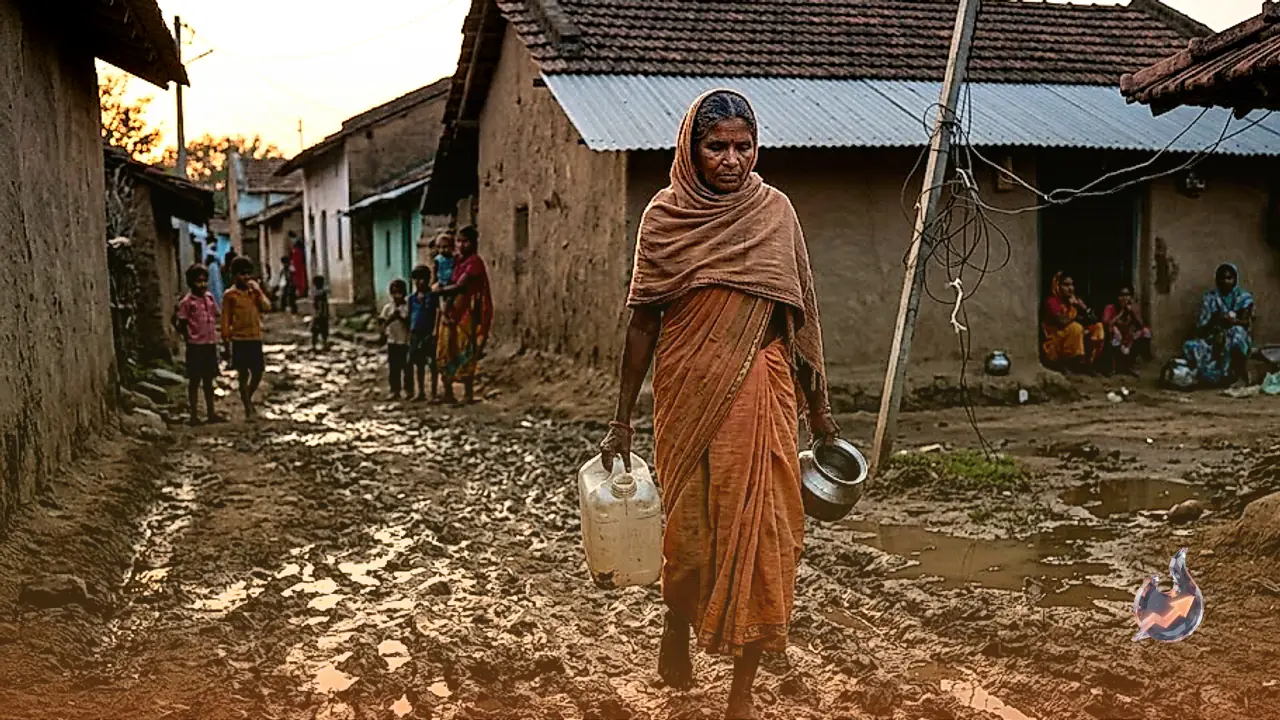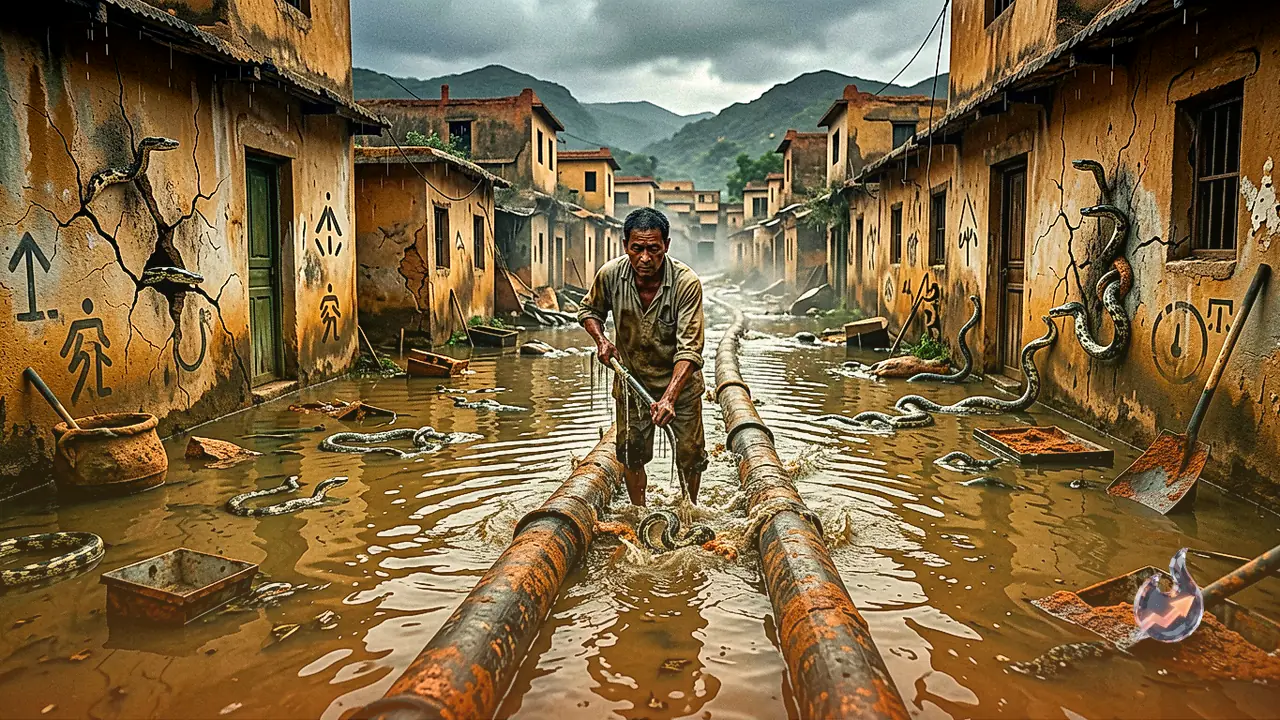



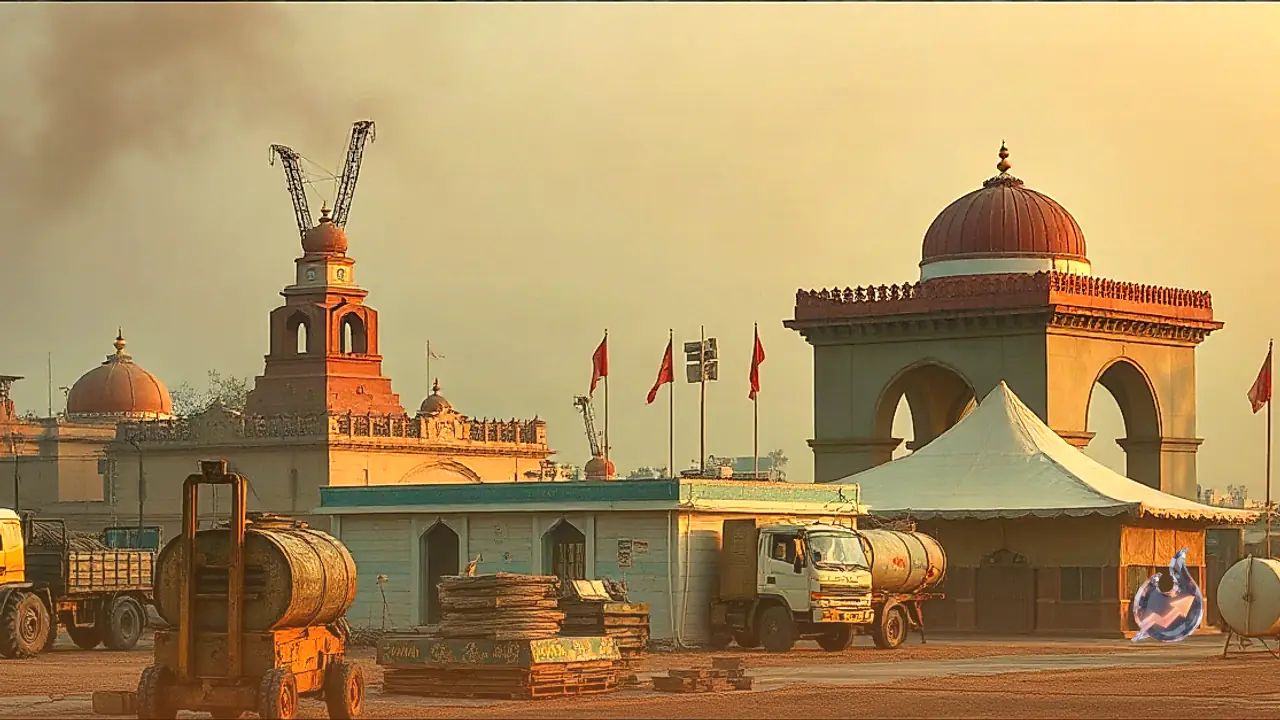

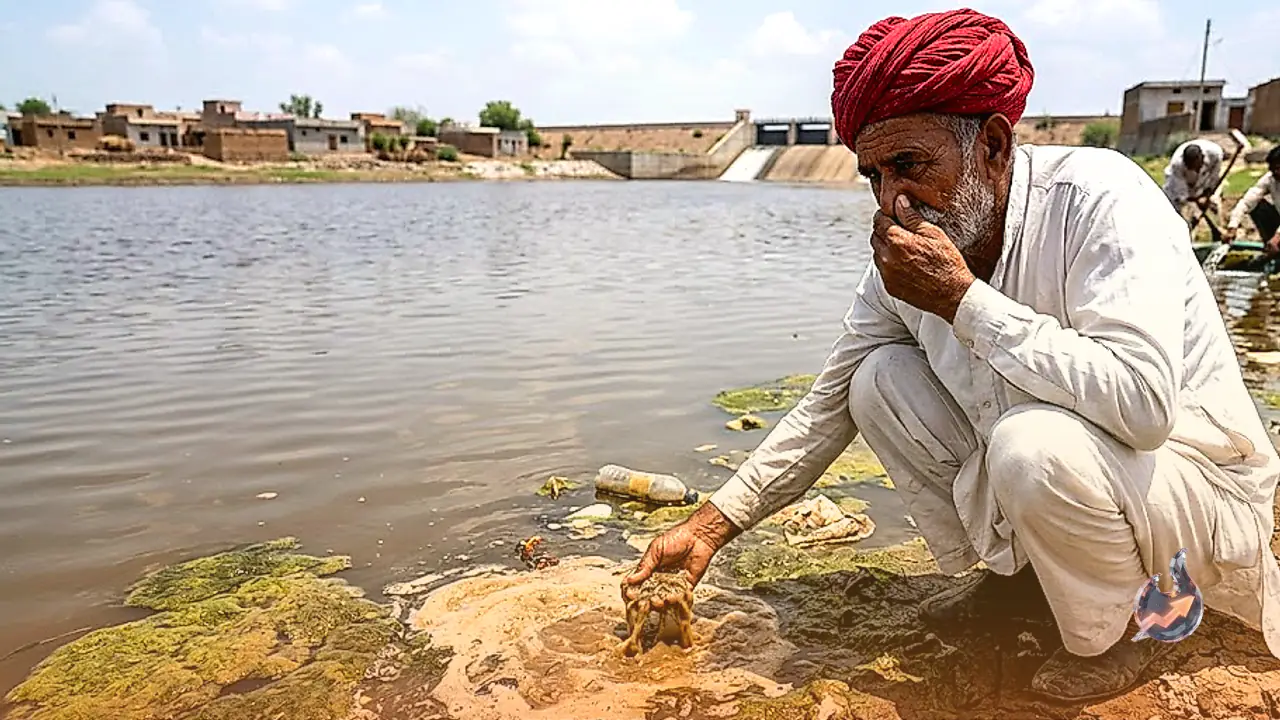















Just two years ago, villagers near the Khalkh Sagar Dam in Jaipur were struggling to secure a single drop of water, but the reservoir has now accumulated about 10 feet of water. The rising water level is a combined result of recent rainfall and discharge from a sewage treatment plant. While this accumulation has sparked hopes of relief for local farmers, the arrival of polluted and foul-smelling water has raised serious concerns among residents across roughly 20 nearby villages. The greenish tinge of the reservoir water and the strong stench emanating from it have turned into major issues for the local population.
Capacity and Spread of the Reservoir
The total water holding capacity of the Khalkh Sagar Dam stands at approximately 26 feet. At present, the water level has reached about 10 feet, spreading over a length of nearly two kilometers and a width ranging between 100 to 500 meters. Locals point out that untreated sewage flowing in from the treatment plant alongside rainwater is responsible for the distinct green color and continuous bad odor. Furthermore, the stagnant water has triggered a massive surge in the mosquito population around the dam, heightening fears of a potential outbreak of infectious diseases in the region.
Disruption of Local Commute and Routes
The impact of the rising water levels extends far beyond health and environmental concerns, directly disrupting the daily movement of villagers. The road connecting Khalkh to Khejradawas has remained blocked for nearly two months due to severe waterlogging. This blockage forces residents from surrounding areas to take long detours for their daily commute. People living nearby worry that if the water level continues to rise further, additional roads and residential pockets could become completely submerged or inaccessible.
Threat to Groundwater and Jobner Water Supply
The primary fear among villagers is the long-term stagnation of contaminated water inside the reservoir, which they believe will eventually seep into and ruin the local groundwater table. Questions are already being raised regarding the quality of water supplied within the Jobner municipality jurisdiction. Prompted by these risks, villagers have urged the district administration to collect samples of both the dam water and local groundwater to test them thoroughly in high-level laboratories.
Shift from Severe Drought to Mixed Expectations
The current scenery at Khalkh Sagar stands in stark contrast to conditions two years ago, when the reservoir was completely parched and the entire region faced an acute water crisis. The return of water following recent rains has revived hopes among farmers regarding crop irrigation and the restoration of depleted groundwater levels. Residents emphasize that water in the dam is vital for the area, but the influx of sewage threatens to ruin these agricultural benefits. Consequently, the local community is demanding that the administration ensure the preservation of clean water while permanently halting the inflow of contaminated sewage.