






















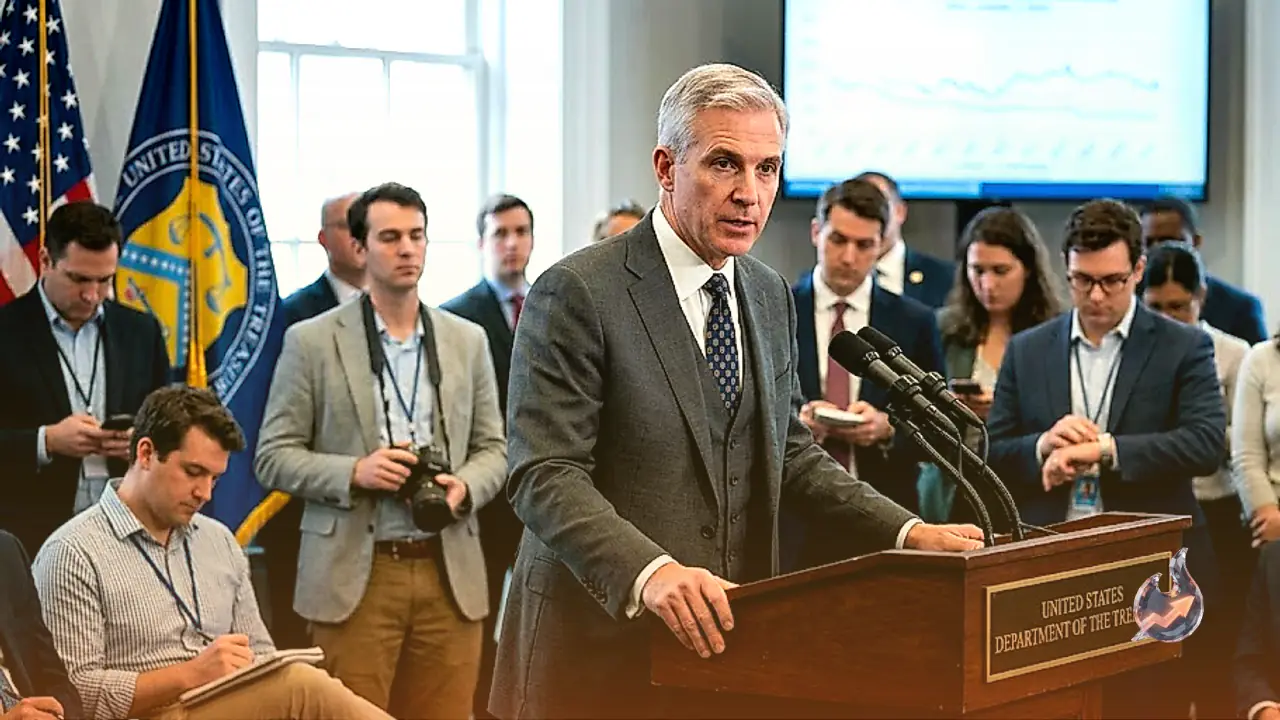

The US Treasury Secretary is actively considering bond buyback operations that could exceed $4 billion. A key part of this potential move involves signaling to the broader financial markets that prevailing yields fail to accurately reflect underlying economic fundamentals.
Fiscal Consolidation and Deficit Outlook
Regarding fiscal policy, officials noted a very strong likelihood that the US deficit has already peaked, while signaling an increased strategic focus on fiscal consolidation going forward. Furthermore, the administration downplayed the significance of the $40 trillion debt threshold and anticipates that tariff revenues in 2026 will remain comparable to the levels recorded in 2025.
Buyback Mechanics and Market Signals
Buyback operations could surpass $4 billion as part of a deliberate communication strategy to demonstrate that market yields disconnect from actual economic realities. The Treasury and the Federal Reserve stand prepared to coordinate closely should any balance sheet adjustments become necessary. Officials clarified that interest rate determinations are independent of the buyback decisions, while forward-looking market indicators suggest that future inflation will trend lower.
Currency and Bond Market Movements
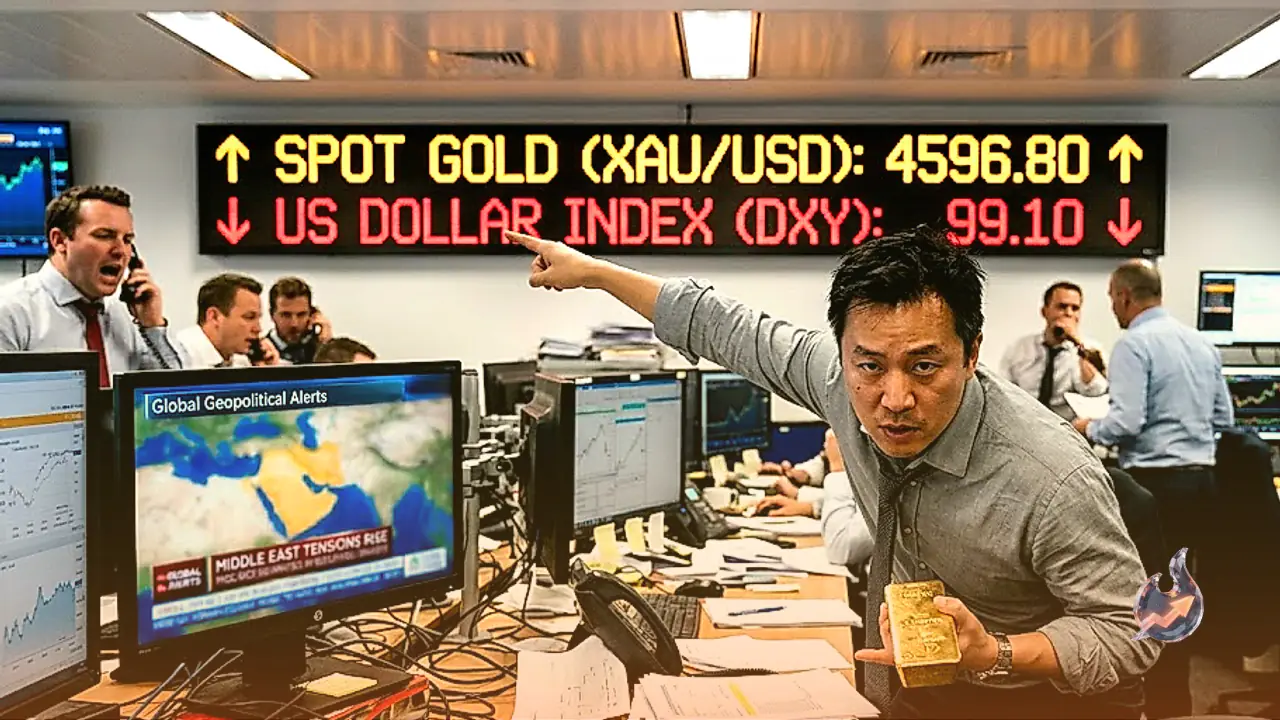
The US Dollar exhibited muted reactions to these announcements, with the US Dollar Index (DXY) remaining largely flat on Thursday and trading near 98.80 during the session. Meanwhile, the benchmark 10-year US Treasury yield found renewed support following Wednesday's pullback, advancing by more than 6 basis points to hover around 4.70%.
Interest Rates and Central Bank Mandates
Interest rates charged by financial institutions on loans and paid to depositors are heavily influenced by baseline lending rates established by central banks. Central banks typically maintain a mandate centered on price stability, which generally targets a core inflation rate of approximately 2%. When inflation dips below this target, central banks may lower benchmark lending rates to stimulate economic activity. Conversely, significant inflationary spikes prompt rate hikes designed to cool price pressures.
Impact on Currencies and Gold Prices
Higher interest rates typically strengthen a national currency by attracting global capital inflows. At the same time, elevated rates tend to weigh on gold prices because they increase the opportunity cost of holding non-yielding bullion instead of interest-bearing instruments. Because gold is denominated in US dollars, strength in the Greenback frequently exerts downward pressure on precious metal valuations.
Federal Funds Rate and Treasury Operations
The Federal Funds rate represents the overnight borrowing benchmark between US banks, established during FOMC meetings. Market participants track future expectations for this rate using the CME FedWatch tool. Meanwhile, the US Treasury recently doubled the magnitude of certain long-dated debt buyback operations, a decisive step aimed at easing upward momentum across yield curves.