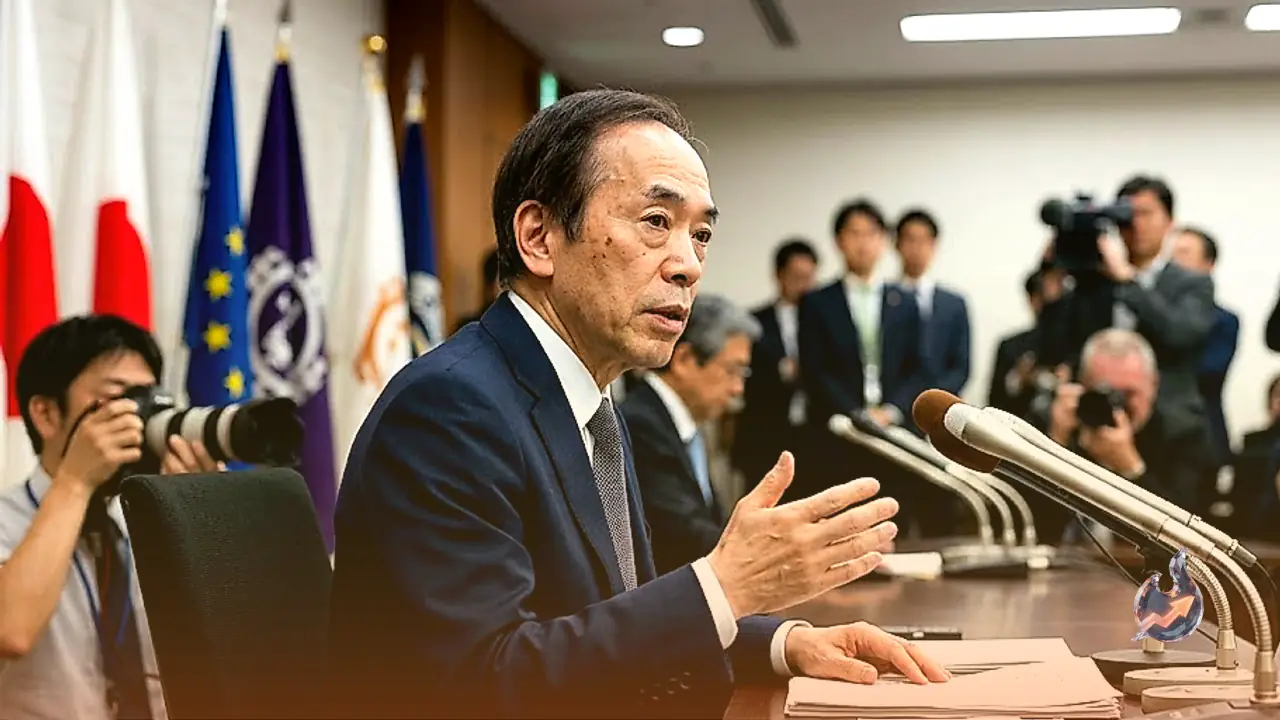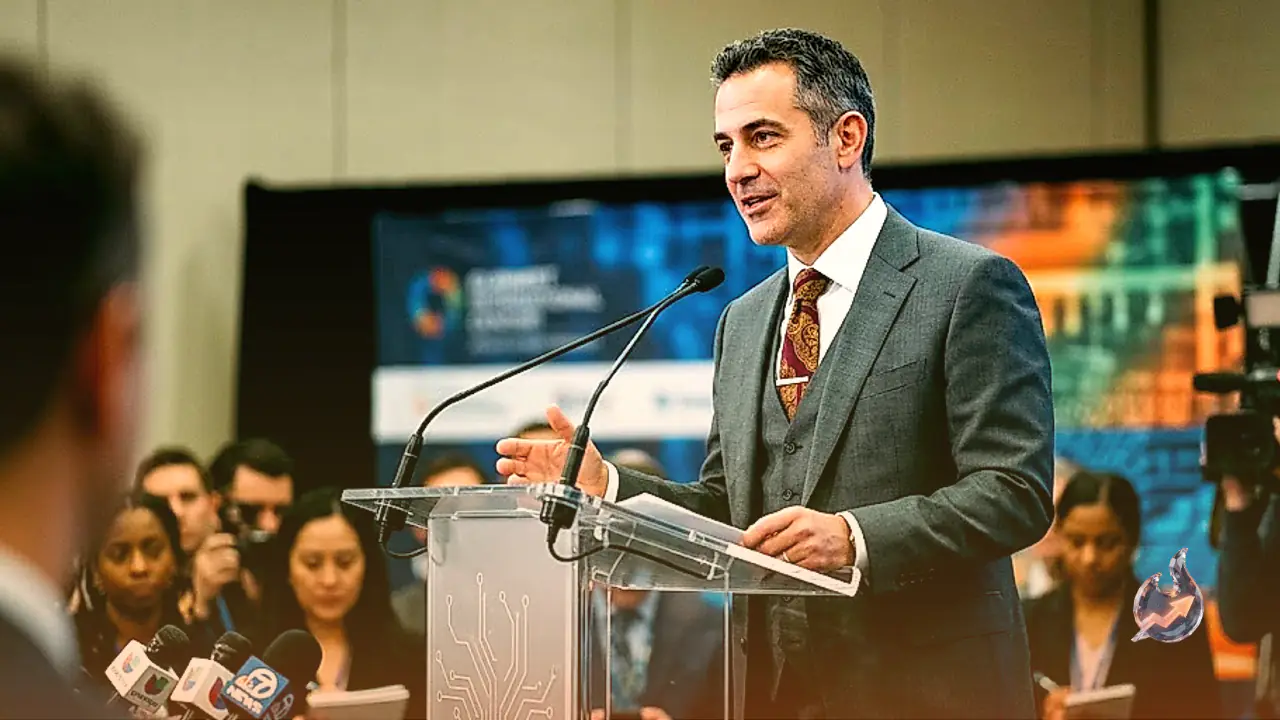



















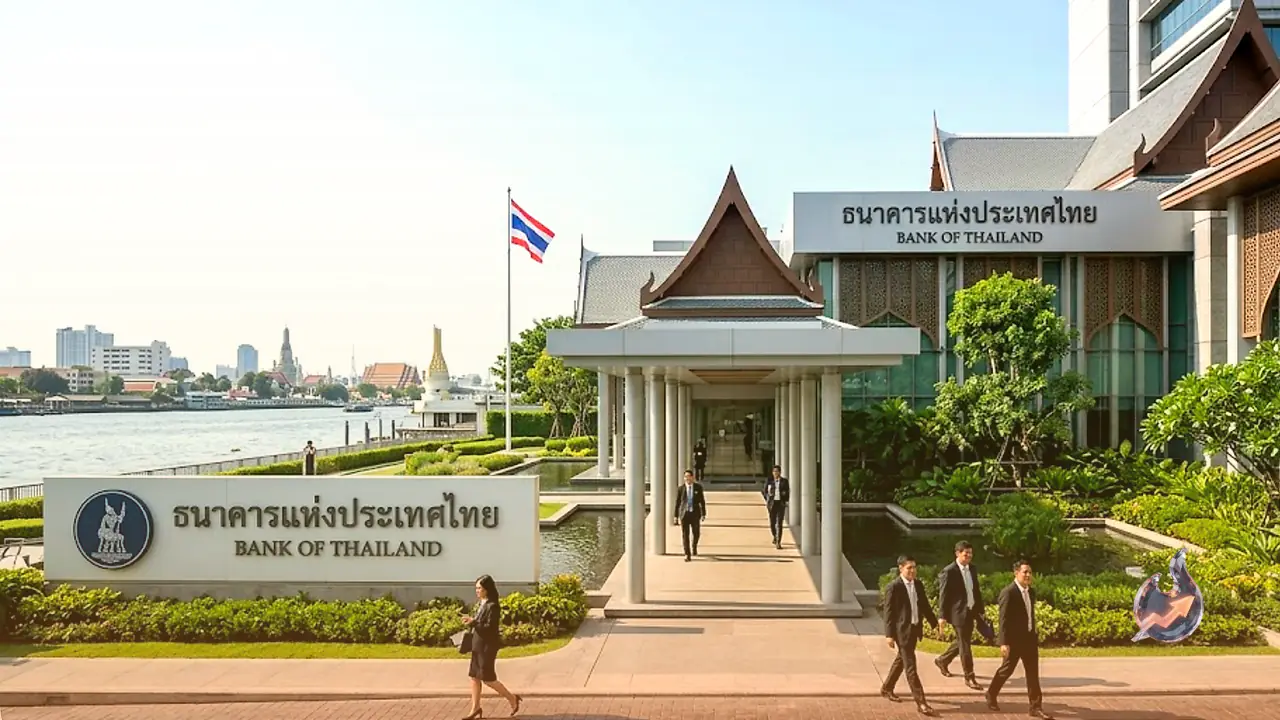

Thailand's central bank looks likely to keep borrowing costs frozen for a long stretch ahead, with its policy rate expected to stay at 1.00% all the way through 2026. That is the projection from DBS Group Research economist Chua Han Teng, made after the Bank of Thailand (BoT) left rates untouched for a second meeting running.
A deliberate pause to shield a patchy recovery
The logic behind the hold is straightforward. The BoT wants to keep cushioning an economy whose rebound has been uneven, and it is willing to look past a bout of inflation it views as temporary and supply-driven rather than rooted in genuine demand. Growth forecasts were nudged only modestly, while price pressures are expected to ease back toward the central bank's target range over time.
According to Chua, policymakers are caught between two competing forces. "On one hand, the BoT assessed that the accommodative monetary policy stance is supporting the economic recovery, suggesting little impetus to ease interest rates further amid rising inflation. On the other hand, policymakers are likely to look through the temporary, supply-side-driven inflationary pressures, and refrain from hiking interest rates."
What is really behind the baht's slide
The recent softness in the Thai baht against the US dollar, the bank judged, owes more to a shift in the US Federal Reserve's monetary policy stance than to anything specific to Thailand or its regional neighbours. Chua added that "the recent THB weakness came from relatively strong levels amid still-robust external position, which could support tourism and ease financial conditions for smaller exporters."
The road ahead
The overall picture is of a central bank in no hurry to cut and no hurry to hike. Its priority is to hold up an incomplete and uneven recovery, and as long as the current inflation looks transitory, rates appear set to stay parked where they are.