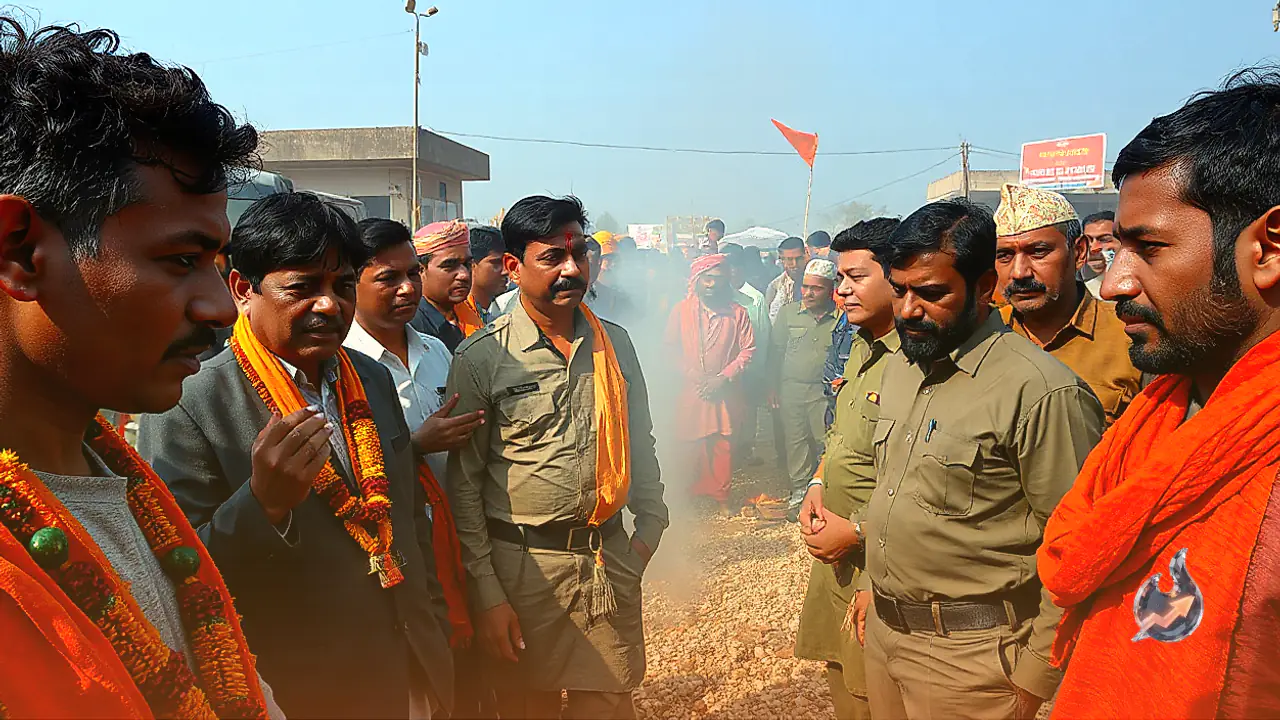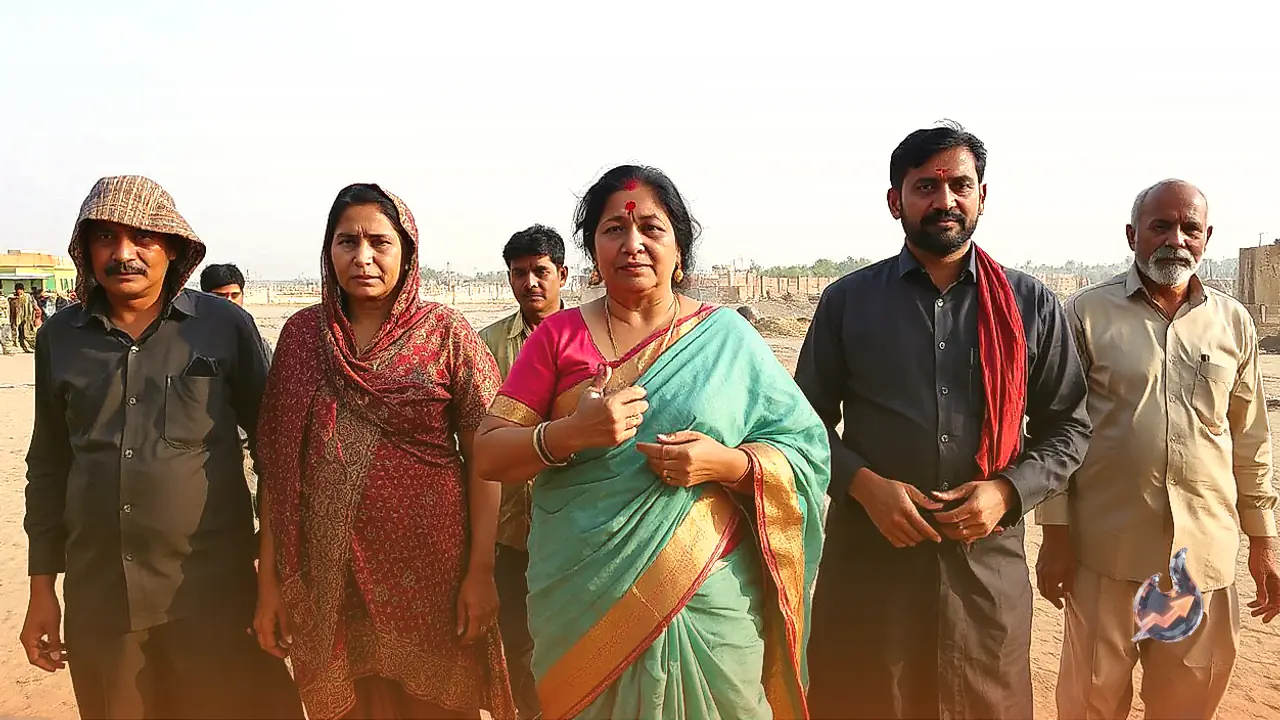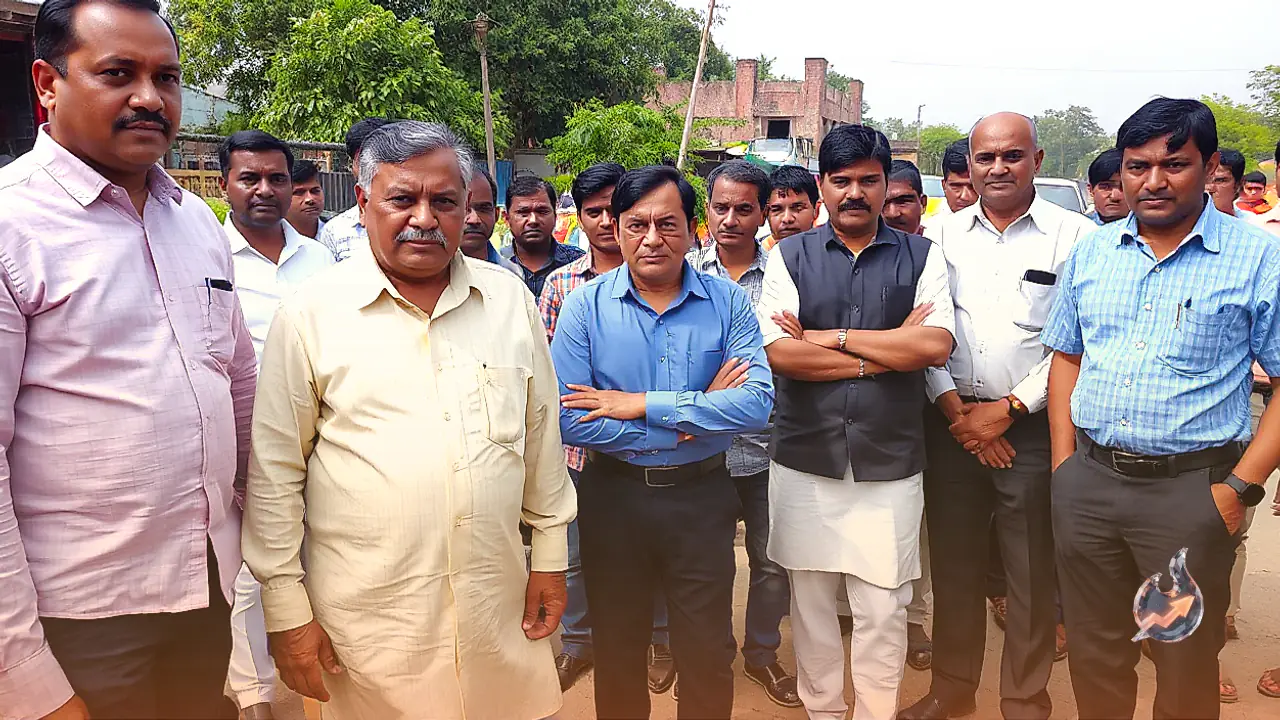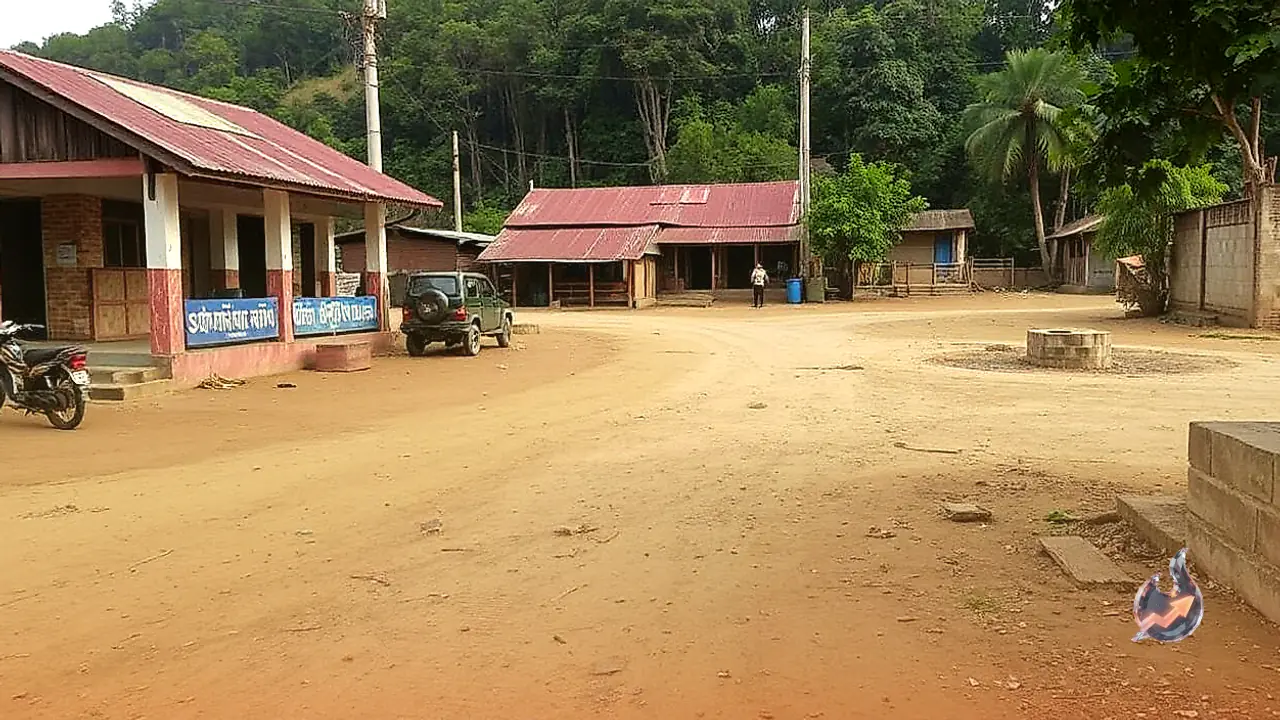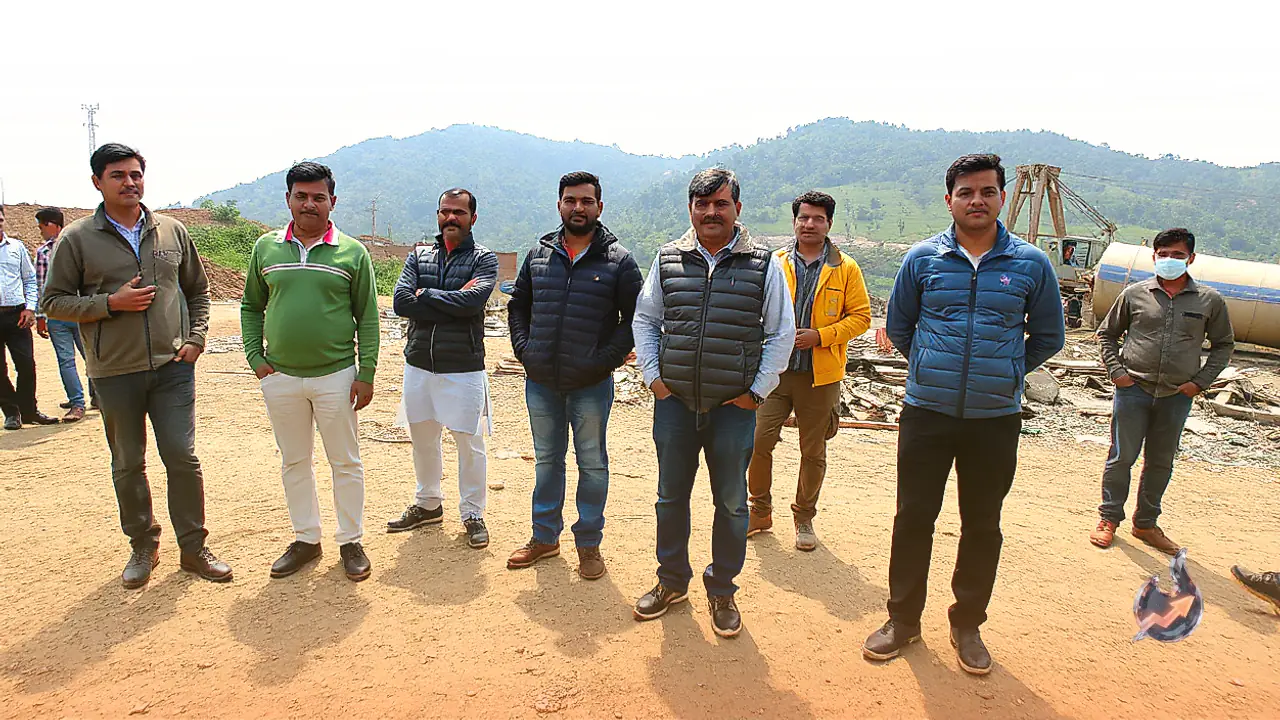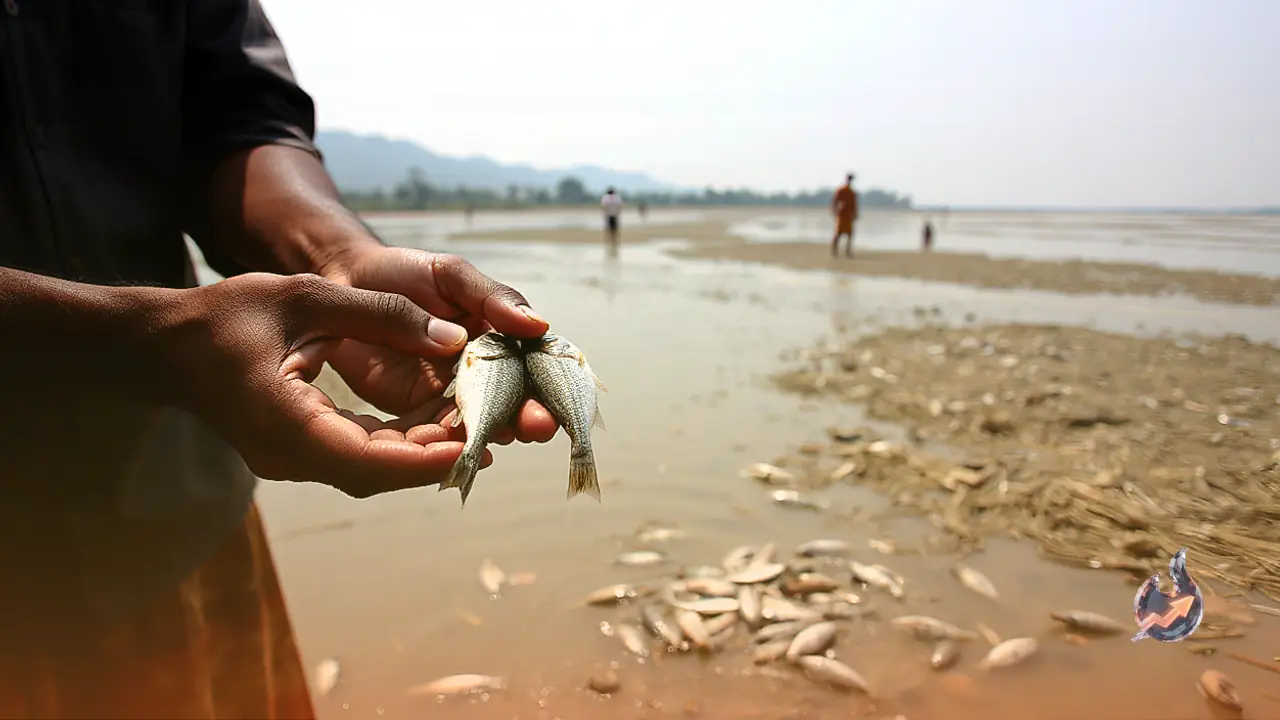

Umiam witnessed a special distribution event on Saturday where approximately 50 farmers hailing from an aqua village located in Meghalaya's Ri Bhoi district were handed 10,000 fish fingerlings. The programme was organized by the ICAR Research Complex for the NEH Region to mark World Fisheries Day. The initiative is designed to assist cultivators in expanding their aquaculture operations, boosting overall fish yields, and generating supplementary income streams.
Support Under the Tribal Sub Plan
The distribution initiative was executed under the Tribal Sub Plan framework to help farmers scale up aquaculture activities and improve rural livelihoods. The aqua village in the Ri Bhoi district was specifically established by ICAR NEH to foster sustainable fish farming practices and empower tribal communities in the region through targeted resource distribution.
Emphasizing Sustainable Fishing Practices
Addressing the gathering of participants, ICAR NEH Director Dr G. Kadirvel underscored the pressing need for sustainable fishing techniques and responsible aquaculture management. He urged for enhanced community participation to fortify Meghalaya's fisheries sector. Kadirvel pointed out that active involvement from local farmers, regional institutions, and communities remains vital for ramping up fish output, safeguarding native aquatic biodiversity, and bettering rural living standards.
Conservation of Endangered Species
The director also drew attention toward the crucial task of conserving indigenous fish species, placing special emphasis on the chocolate mahseer, a threatened aquatic species that was officially designated as Meghalaya's State Fish in May this year. Highlighting the fundamental need to preserve delicate aquatic ecosystems, he noted that rivers and fish do not belong to human ownership, but rather humans belong to them.