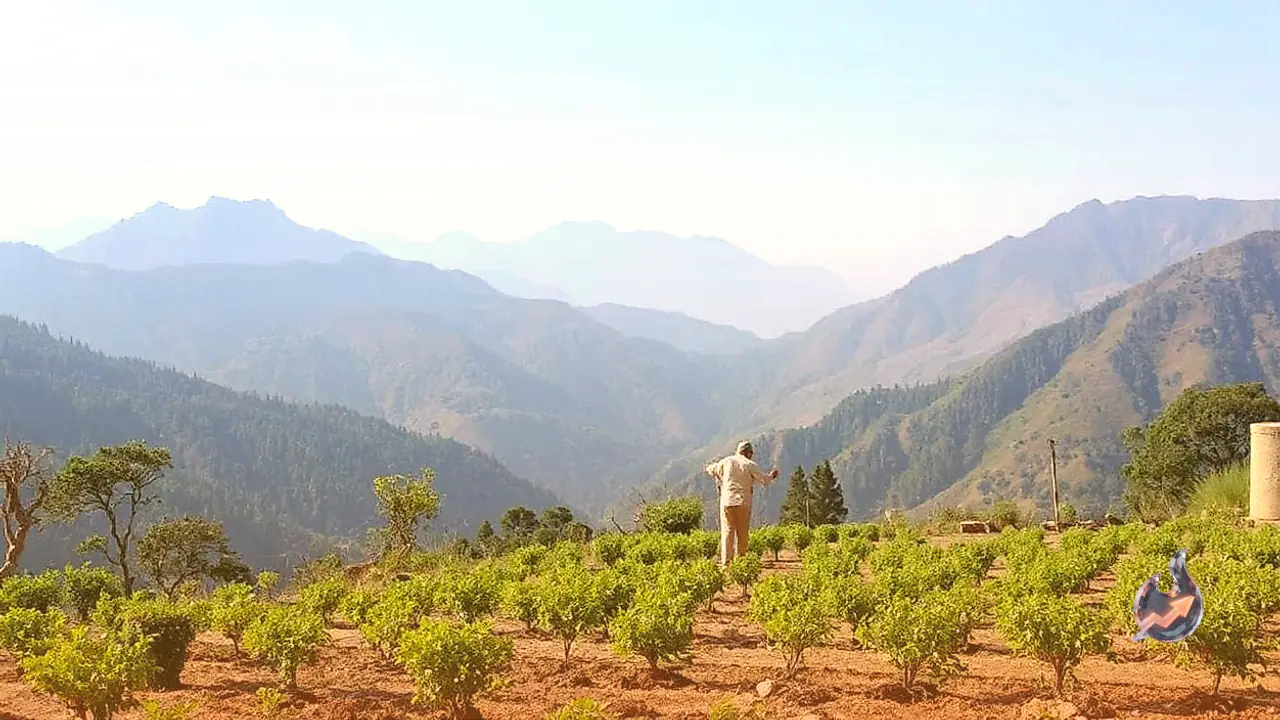

Natural rubber farming has emerged as a cornerstone of the rural economy across the northeastern state of Meghalaya, with total plantation coverage expanding to 42,593.97 hectares. The sector currently sustains the livelihoods of approximately 25,000 growers. A dominant share of this cultivation is concentrated in the Garo Hills, which accounts for nearly 80 percent of the state's total rubber-growing territory. Beyond generating steady household earnings, the crop has increasingly established itself as an economically rewarding alternative to shifting cultivation across the state's hilly terrain.
Garo Hills Drives State Production and Revenue
Provisional statistics compiled up to November 12, 2026, indicate that the Garo Hills region encompasses 33,815.35 hectares dedicated to rubber cultivation. This extensive expanse is distributed across 48,437 individual holdings and engages roughly 24,000 local growers. The area also contributes the overwhelming bulk of Meghalaya's annual yield, accounting for 10,954.69 metric tonnes out of the state's total output of 11,967.21 metric tonnes.
In terms of maturity, productive plantation land across the state stands at 11,615.51 hectares, with 10,678.75 hectares situated within the Garo Hills. Yield measurements reveal an average state productivity of 1,030 kilograms per hectare, marginally outperforming the 1,026 kilograms per hectare recorded in the Garo Hills. In economic terms, the rubber trade in the Garo Hills represents an estimated rural valuation of approximately Rs 180 crore.
Agro-Climatic Suitability and Expansion Scope
Favourable weather conditions, fertile soils, and the availability of rural workers make Meghalaya an ideal geography for further agro-forestry expansion. With traditional rubber-producing belts in southern India nearing land saturation limits, the northeastern states have become the focal point for meeting the country's rising demand for domestic natural rubber. Soil surveys conducted by the National Bureau of Soil Survey and Land Use Planning show that approximately 4.5 lakh hectares across the Northeast possess suitable soil and terrain for rubber cultivation, with around 50,000 hectares located specifically in Meghalaya.
Alongside Assam and Tripura, Meghalaya is viewed as an essential driver for bridging the country's national supply gap. India presently deals with an annual shortfall of around five lakh tonnes of natural rubber, while the Northeast as a whole produces less than five percent of total national volumes. Developing untapped tracts across Meghalaya is therefore considered vital for domestic supply security.
Historical Background and Industrial Applications
Rubber cultivation in Meghalaya dates back to the 1950s. While the tree species originally belongs to the Amazon basin in Brazil, commercial production has expanded to 23 countries across the globe. Today, natural rubber serves as a primary raw material for over 50,000 manufactured products worldwide. In India alone, around 35,000 distinct items rely on rubber inputs, with approximately 65 percent of all domestic production channeled directly into tyre manufacturing.
Geographic Spread Across Garo Hills Districts
Plantations are established across diverse pockets in all five districts of the Garo Hills. In North Garo Hills, primary cultivation hubs include Mendipathar, Resubelpara, Bajengdoba, Pedaldoba, Damas, and Kharkutta. In West Garo Hills, extensive plantations thrive in Raksamgre, Belguri, Rongsai, Tikrikilla, Khamari, Chibinang, Dadengre, Gambegre, Demdema, and Dalu.
Within East Garo Hills, prominent belts are found around Songsak, Darugre, Rongjeng, Dobu, and Williamnagar. South Garo Hills features rubber tracts in Baghmara, Chokpot, Sibbari, and Rongara. Meanwhile, in South West Garo Hills, farmers cultivate rubber in Mellim, Damalgre, Akinpara, Salmanpara, Ampati, Zikzak, and Kalaichar.
Institutional Infrastructure and Processing Network
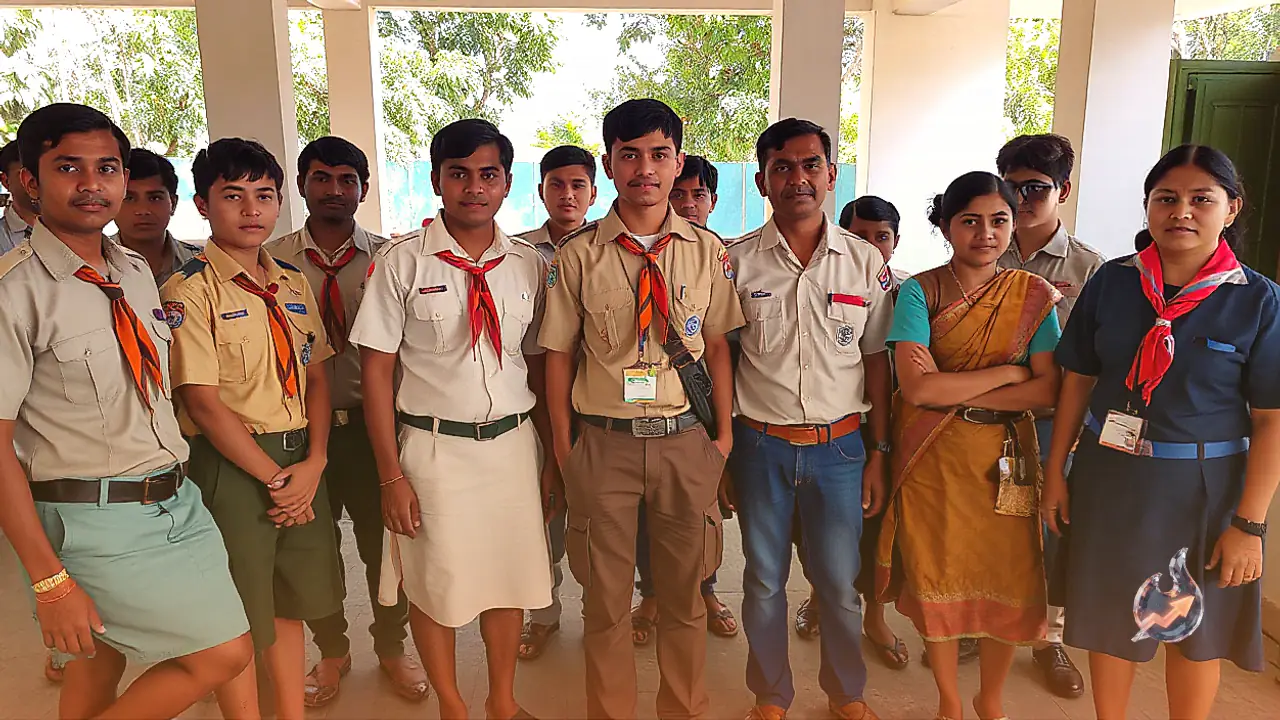
Growers in the state receive technical and developmental guidance through a structured institutional setup. The Tura Rubber Research Station commenced operations in 1985, followed by the establishment of the Dakopgre Regional Office in 1986 and the Jenggitchakgre Development Centre in 1987. Operating under the regional jurisdiction in Tura, seven field units oversee activities in Mendipathar, Tikrikilla, Bajengdoba, Williamnagar, Baghmara, Tura-I, and Tura-II.
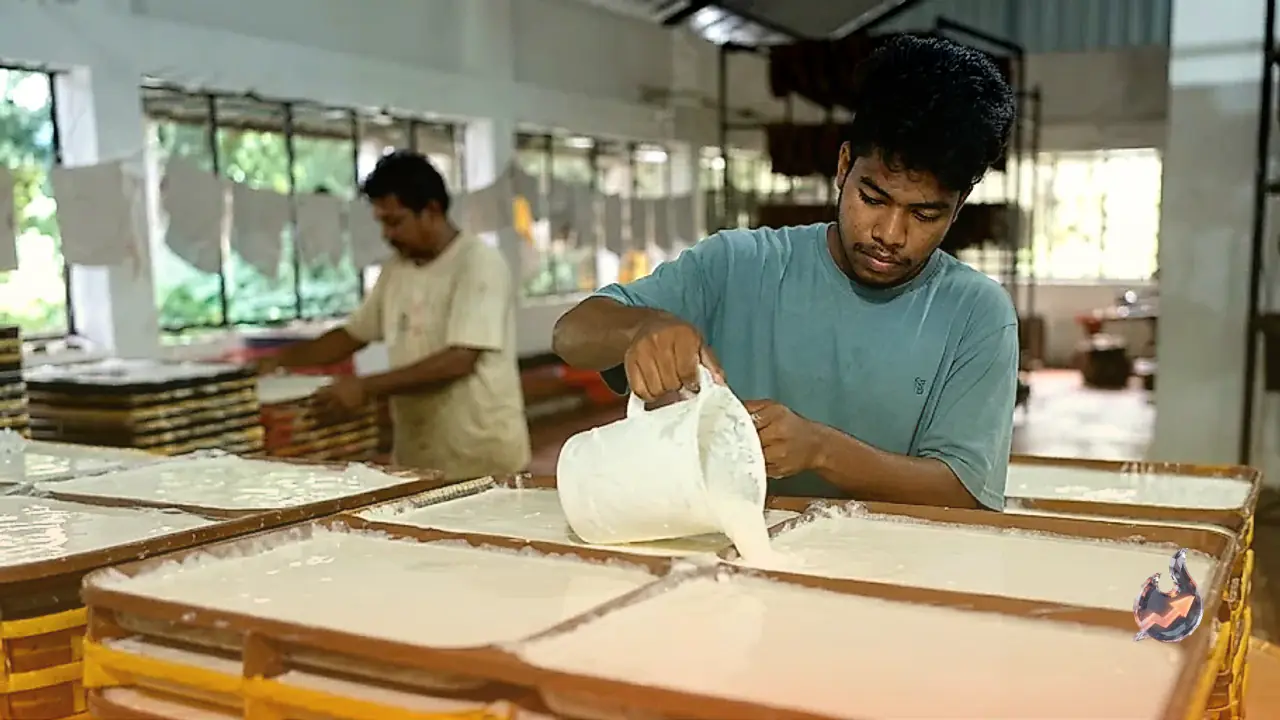
At the grassroots level, the state houses 57 Rubber Producers' Societies alongside two Group Processing Centres. The Garo Hills hosts 48 of these societies as well as both group processing units. Downstream output includes 77.47 metric tonnes of concentrated latex, known as cenex, produced by M/s MMCS at Mendipathar. However, the state currently lacks any industrial facility dedicated to rubber wood processing.
Livelihood Transformation and Ecological Benefits
Beyond fiscal earnings, rubber cultivation plays an active role in rehabilitating degraded lands, checking soil erosion on steep hills, and promoting water conservation. It offers rural communities an environmentally sustainable path away from slash-and-burn jhum agriculture. The crop has also provided gainful employment to rural youth and rehabilitated former militants, creating economic security across remote settlements. In addition, farmers dealing with diseases in areca nut orchards and declining yields from aged cashew trees have increasingly shifted to rubber. Assessments indicate that between 30,000 and 40,000 additional hectares in the Garo Hills alone hold potential for future cultivation.
Support Schemes and Worker Welfare Measures
Multiple institutional initiatives assist growers with financial resources and quality inputs. Under the Expenditure Finance Committee scheme, eligible farmers receive planting assistance amounting to Rs 50,000 per hectare, capped at five hectares. Further assistance is extended for rain guarding, farm processing machinery, cluster formation, grower training, and modernising processing facilities. Welfare measures for plantation workers encompass educational stipends, healthcare subsidies, housing grants, maternity benefits, sanitary aid, and group life insurance coverage.
Under the specialized INROAD initiative, farmers receive free high-grade planting materials, including polybag and root-trainer saplings, distributed at 480 saplings per hectare up to five hectares. The North Eastern Council convergence scheme offers support for intercropping during immature growth stages alongside training programs. Meanwhile, the iSPEED scheme assists smallholders by supplying rubber sheeting rollers and aiding the construction of economical smokehouses.
Calls for Comprehensive Policy Support
To realise the sector's full economic potential, recommendations have been made for targeted government intervention. Priority proposals include dedicated state budgetary funding for plantation expansion, primary latex processing, and tapping assistance, alongside enhanced cross-departmental coordination. Stakeholders have also emphasized widening training modules in tapping, grading, and marketing, as well as setting up rubber parks and manufacturing units in high-yield belts.
A key proposal involves fixing a minimum support price of at least Rs 200 per kilogram for natural rubber to insulate growers against market volatility. The creation of specialized rubber trading markets and the rollout of an official Meghalaya Rubber Mission have also been urged to provide focused regulatory direction. Furthermore, stricter enforcement measures against unregulated rubber transport have been recommended to eliminate revenue leakages and protect GST collections.