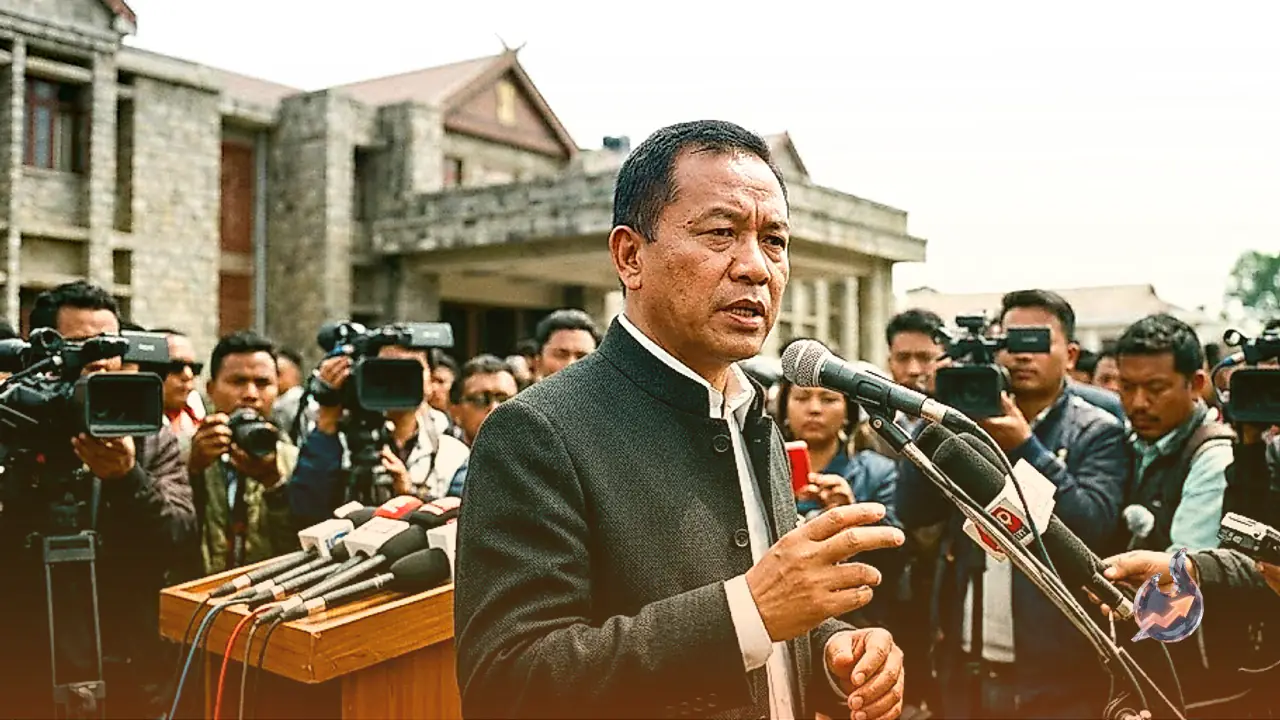



















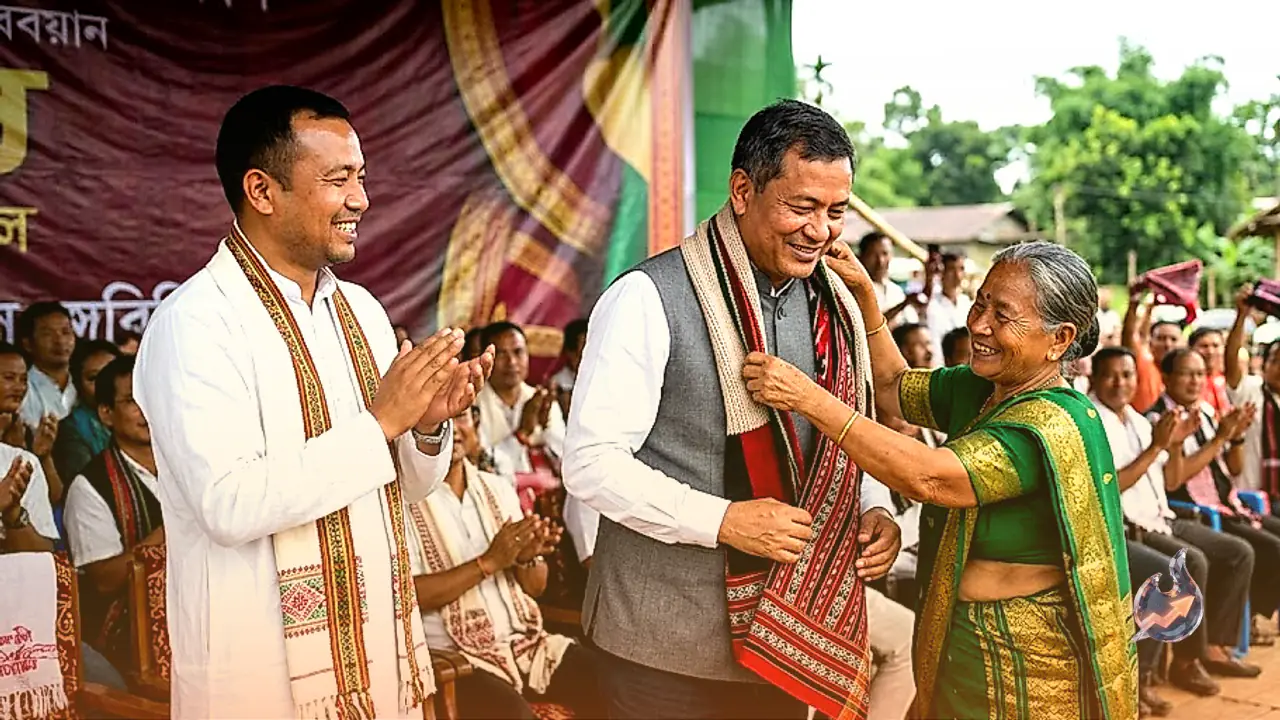

The National People’s Party organized a special party program in Tura on Thursday, during which it praised Meghalaya Chief Minister and party national president Conrad K Sangma for his government’s decisive stance against uranium mining in the state. The gathering brought together senior party leadership alongside members and representatives of the Garo Hills Autonomous District Council to acknowledge key administrative and policy achievements.
Felicitation of Leaders and Environmental Protections
A major focus of the event was the resolution recently passed by the Meghalaya Legislative Assembly that formally opposes uranium mining activities across the region. Party leaders emphasized that this legislative action represents a vital move toward safeguarding Meghalaya's natural resources, fragile environment, and the broader welfare of indigenous populations. The state administration was commended for listening to community concerns and taking concrete action against mining proposals that had sparked widespread debate over environmental preservation.
Alongside the Chief Minister, the program featured the felicitation of newly elected Rajya Sabha member James PK Sangma. Demonstrating his gratitude, Conrad K Sangma wrote on X on September 3, 2026, stating that he felt humbled by the party's recognition of the government's landmark decisions, including the uranium mining ban resolution and the historic SER Bill for the district council.
Strengthening Autonomous Council Governance
The party leadership also commended administrative reforms carried out within the Garo Hills Autonomous District Council. Specifically, Conrad Sangma was recognized for guiding amendments to council rules that establish a distinct electoral roll for the local governing body. Party representatives noted that setting up an independent voter list will significantly enhance electoral administration and fortify the overall functioning of the autonomous council.
The gathering extended felicitations to council leadership, including Chief Executive Member Dhormonath Sangma and Deputy Chief Executive Member Stevie Marak, as well as executive members and district council members. Their collective efforts to modernize local governance were highlighted as crucial steps toward building stronger grassroots institutions in the Garo Hills.
Digitalization and Administrative Accountability
Several key governance initiatives within the district council were singled out during the program. These included the comprehensive digitization of tax collection systems, digital processing of trading licenses, and the formal implementation of Service Rules for council staff. According to party leaders, these structural reforms aim to embed greater transparency, operational efficiency, and administrative accountability across the district council's operations.
Uranium mining proposals have long been a sensitive and contentious issue in Meghalaya, where tribal groups and local communities have continuously demanded the preservation of land rights and ecological integrity. Party officials affirmed that the policies celebrated during the Tura event underscore an ongoing commitment to empowering local governing bodies, improving public administration, and safeguarding the long-term interests of the people of Meghalaya.