



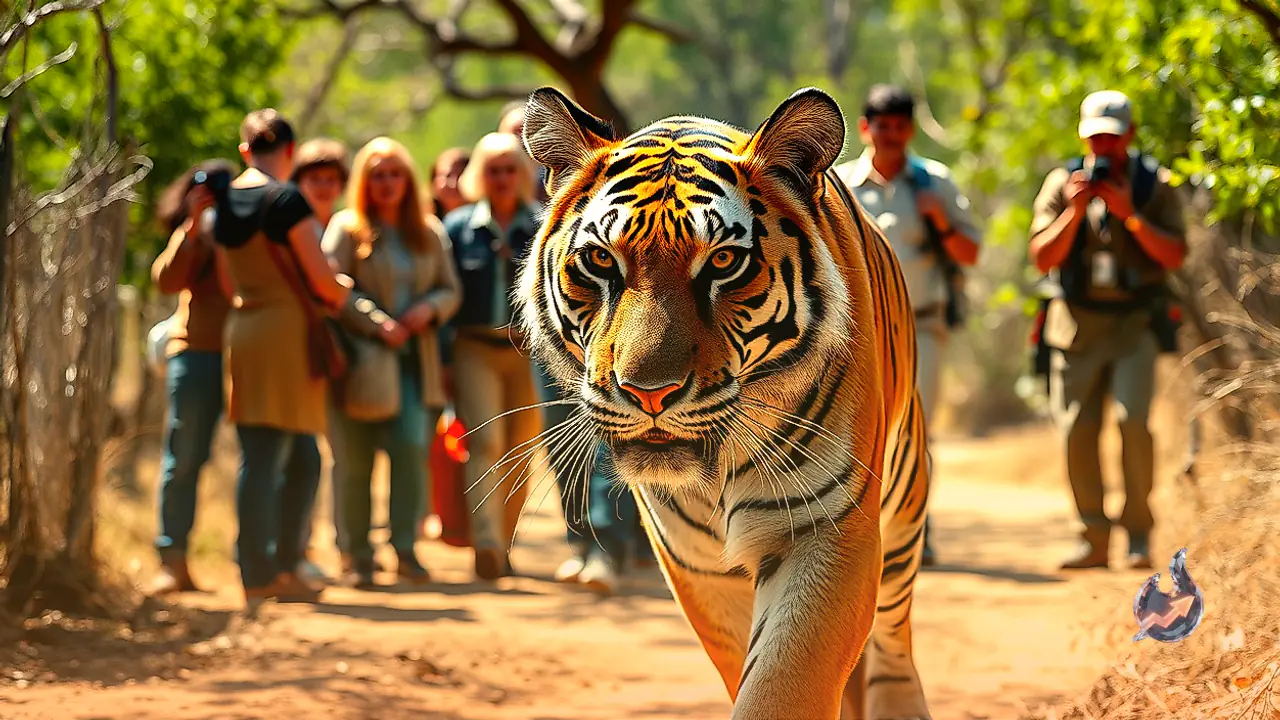

















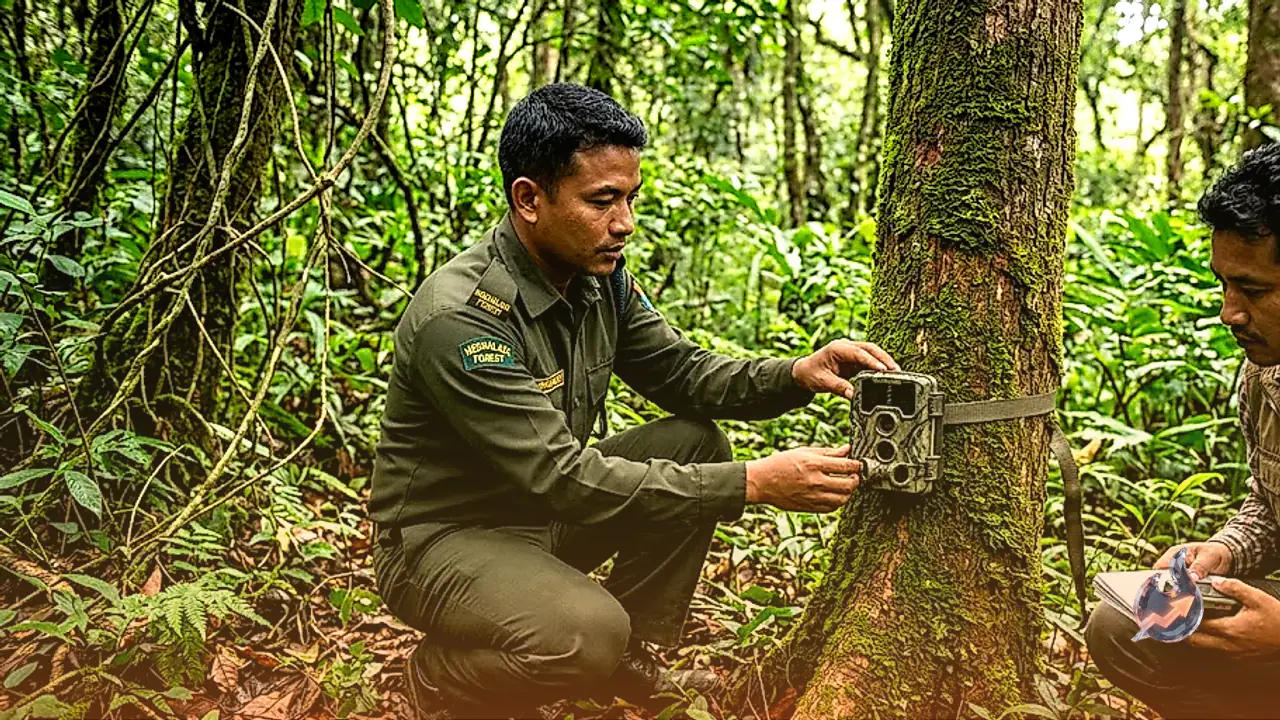

Forest tracts across Meghalaya are undergoing comprehensive scientific documentation to record the distribution of rare small wild cats and other elusive mammal species. Driven through a joint initiative between the state Forest and Environment Department and the Global Tiger Forum, the field exercise relies on 161 camera traps alongside ground surveys. Formally titled "Strengthening In-Situ Conservation of Small Cats and Other Elusive Mammals in the State of Meghalaya", the enterprise focuses on understanding how these shy creatures coexist within dense natural habitats.
Mapping Habitats and Designing the Conservation Atlas
The primary aim of this conservation initiative is to assess the distribution patterns and population status of small wild cat varieties across different forest terrains. Beyond simple sightings, the project investigates spatial sharing and habitat preferences to build robust monitoring mechanisms involving frontline staff and village communities. All empirical observations gathered during this multi-phase effort will eventually feed into a comprehensive state-level wildlife atlas and strategic conservation action plan. Forest authorities pointed out that automated camera traps deliver an objective, scientifically rigorous method for capturing details of cryptic species that evade direct observation. The 161 camera units, procured during 2020-21, serve as the backbone for establishing a dependable geographic database of animal occurrences.
Ground Surveys Across Balpakram and South Garo Hills
Field teams have already concluded comprehensive camera-trapping operations inside Balpakram National Park and adjoining Community Reserves situated in South Garo Hills. During these operations, surveyors conducted detailed vegetation evaluations, gathered wildlife scat samples, and recorded both direct sightings and indirect ecological signs left behind by forest animals. Community interaction forms another integral dimension of the study. Bordering villages around Balpakram participated in socio-economic evaluations aimed at determining household circumstances, economic reliance on forest resources, and everyday human-wildlife encounters.
Community Outreach and Frontline Field Training
Educational initiatives engaged local communities across South Garo Hills, including targeted awareness sessions held at Gongrot village and Don Bosco Higher Secondary School located in Baghmara. Progressing into the subsequent implementation phase, the Global Tiger Forum and the state forest department convened a specialized capacity-building workshop in Shillong on September 29 for frontline field staff. The training agenda covered camera-trap deployment, socio-economic survey methodologies, biological specimen handling, botanical habitat identification, and systematic field recordkeeping.
Project officials emphasized that grassroots forest personnel serve as the initial observers encountering animal tracks and signs, making their technical proficiency vital for gathering uncompromised field data. Rather than generating a static inventory of species presence, the research determines specific habitat dependencies and space-sharing mechanisms among carnivores, creating an evidence-based foundation for community-backed wildlife protection measures.