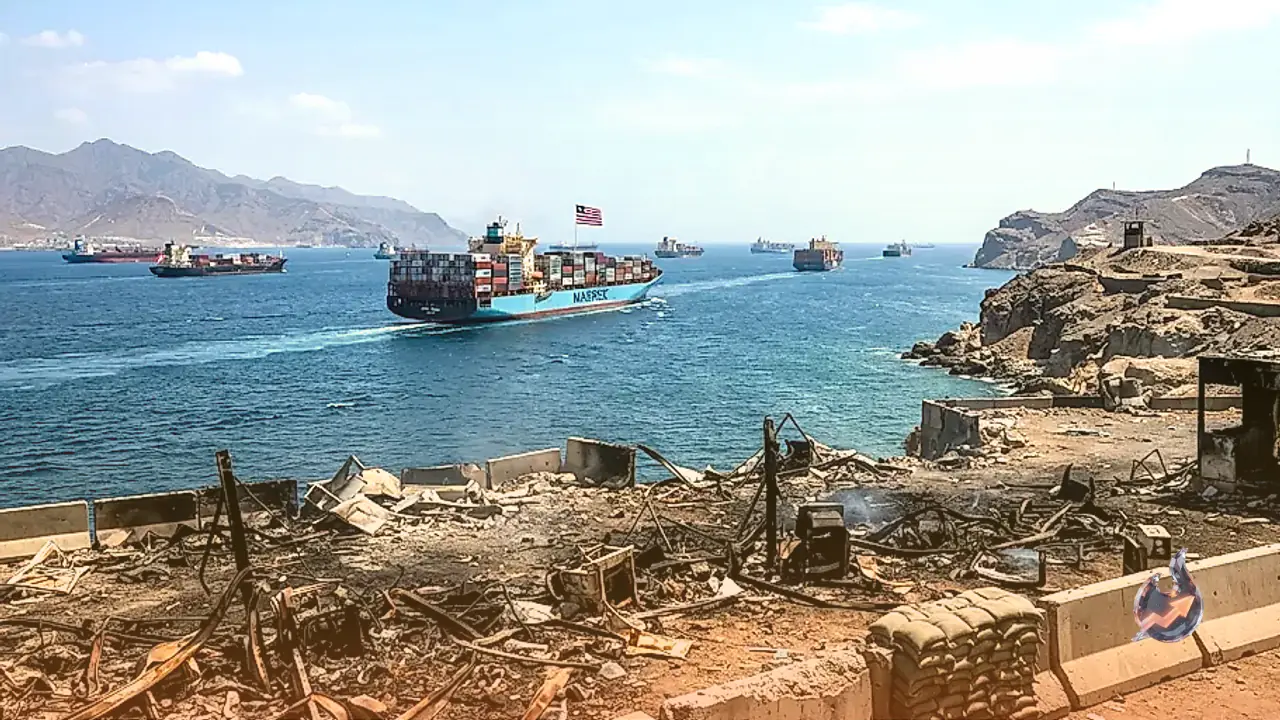

United Nations estimates indicate that Israeli forces have dropped more than 200,000 tonnes of explosives across Gaza over the course of nearly two years. Heavy metals, explosive residues, asbestos from ruined structures, alongside dioxins and biological contaminants present in the air, soil, and water supply, represent severe threats to Palestinians currently and potentially for decades into the future, according to findings.
Amitabh Behar, the executive director of Oxfam International, has accused Israel of committing environmental war crimes as part of an ongoing genocide in Gaza. He stated that the destruction and contamination of the territory have fundamentally degraded the environmental conditions required for human survival and safety. The Israeli government has been formally asked to provide a response regarding the report.
In an ongoing case at the International Court of Justice, Israel has dismissed genocide accusations as baseless and distorted. The state maintains that its military operations in Gaza constitute an act of self-defence against Hamas following the group's deadly attack on Israel on 7 October 2023, and emphasizes that steps are taken to mitigate civilian harm.
Extensive Contamination and Satellite Data Analysis
The report reveals that 99% of Gaza exhibits indicators pointing towards potential environmental contamination. Oxfam and the UK-based Conflict and Environment Observatory utilized satellite imagery, remote sensing, spatial analysis, and alternative open-source data to formulate their conclusions within what is considered the most comprehensive study to date on the severe ecological impacts stemming from three years of intense warfare.
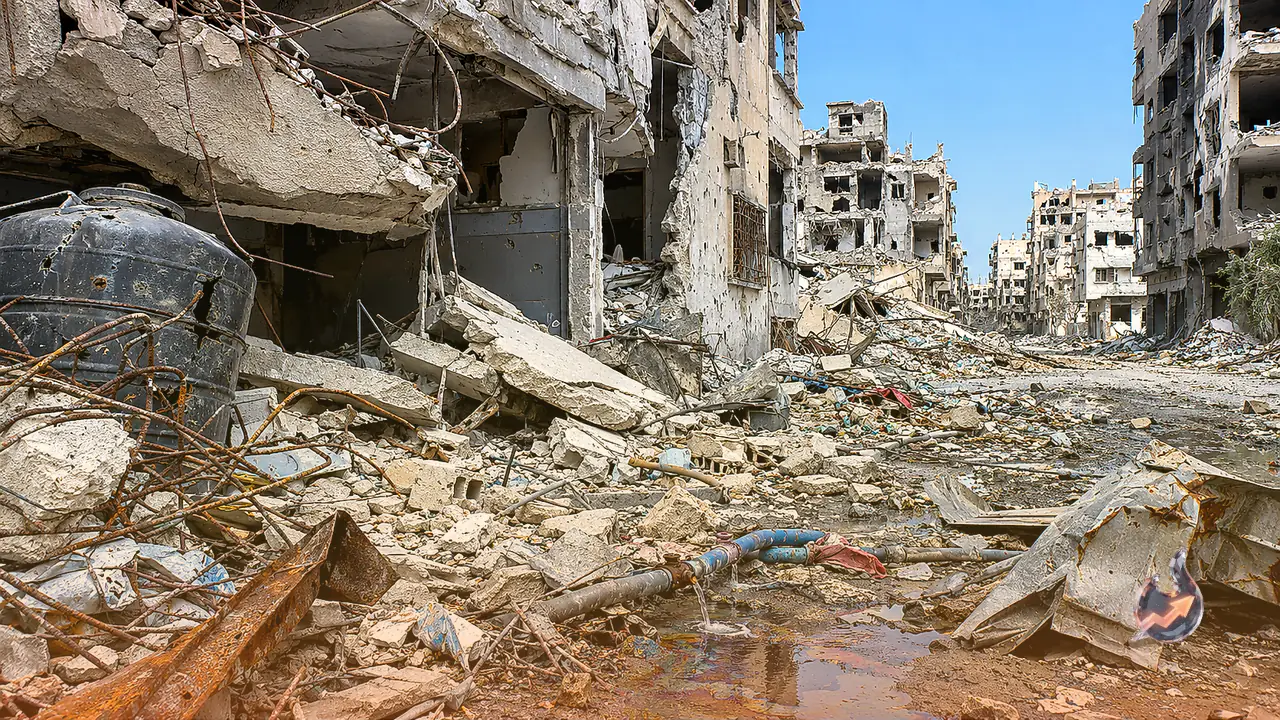
The documentation details how munitions deployed during the intense bombardment, alongside debris originating from destroyed buildings and civil infrastructure, directly influence the surrounding environment. In February, a United Nations special rapporteur noted that over 200,000 tonnes of explosives were deployed in Gaza within nearly two years, equating to the total energy yield of approximately 13 Hiroshima-type nuclear devices.
During the previous year, the United Nations Environment Programme estimated that military operations resulting in flattened homes and infrastructure generated more than 61 million tonnes of rubble across the territory. Approximately 15% of this debris potentially carries a high risk of contamination linked to hazardous materials.
Long-Term Public Health Implications
Lama Abdul Samad, the author of the Oxfam report, explained that chronic health consequences will persist long-term because many of these contaminants remain active within the local environment. She noted that current and future generations of residents are at heightened risk of suffering from increased respiratory ailments, cancers, organ damage, and an eventual rise in birth defects as well as stillbirths.
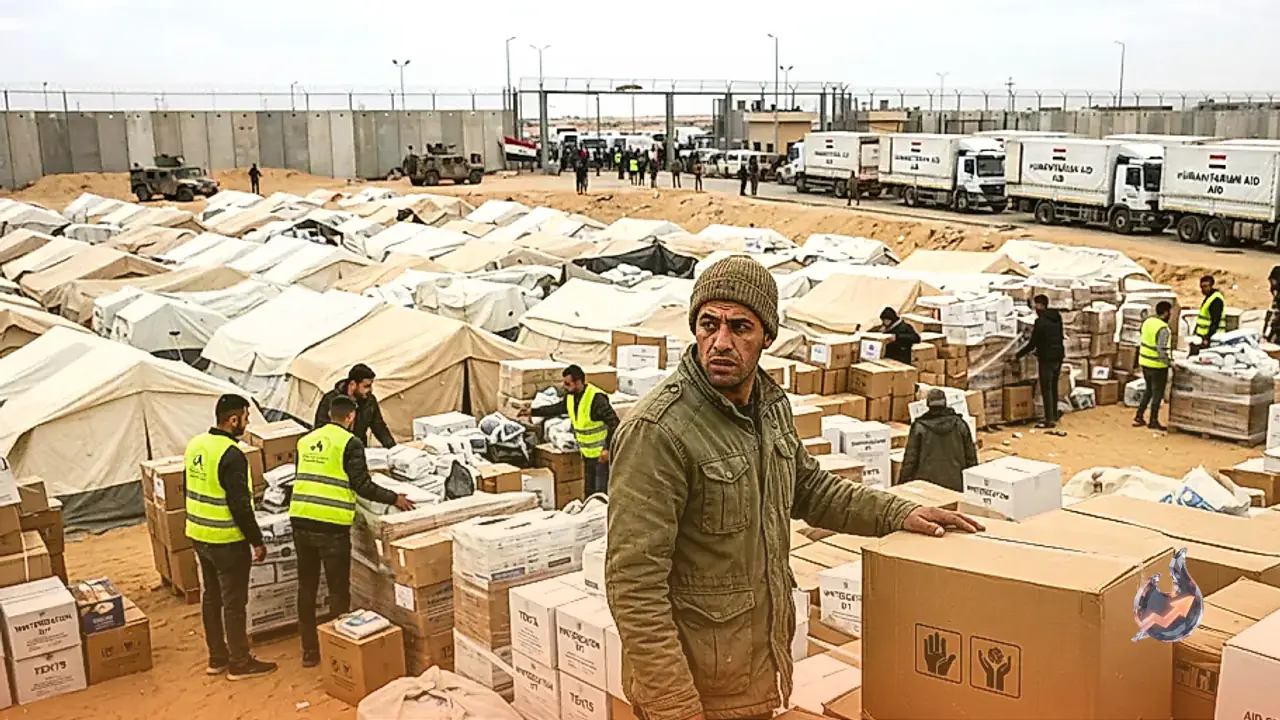
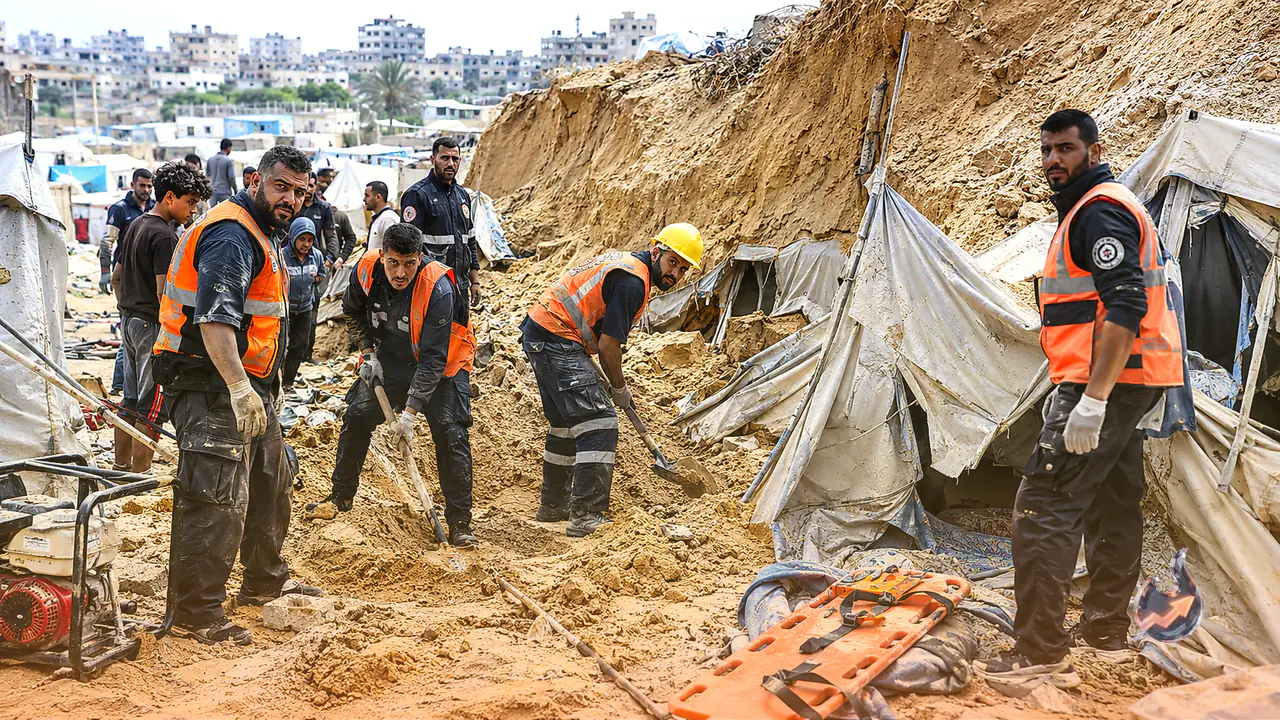
With all six wastewater treatment facilities currently non-operational throughout Gaza, untreated sewage flows directly into local groundwater reservoirs and the Mediterranean Sea. Recent winter storms have further aggravated public health concerns by causing rainwater to mix with raw sewage, flowing unhindered through streets and makeshift tent settlements housing displaced populations.
Carrying out comprehensive testing on the types and levels of contamination remains largely unfeasible due to the destruction of local laboratories and ongoing Israeli restrictions regarding the import of specialized testing equipment and scientific personnel. The military has been approached for additional commentary regarding these logistics.
The United Nations Environment Programme stated that security considerations have similarly prevented its expert personnel from traveling directly into Gaza to conduct independent assessments.
Calls for Independent Assessment and Debris Clearance
The Oxfam publication urges authorities to execute a full, independent environmental assessment across Gaza to accurately identify contamination risks prior to initiating large-scale clean-up operations. It explicitly highlights that heightened safety measures must be mandated to protect workers involved in the hazardous clearing process.
Local medical professionals have already documented rising cases of acute respiratory infections driven by particulate dust from demolished structures and displaced residents burning plastics, rags, and cardboard materials for warmth and cooking purposes. Gastrointestinal illnesses are directly correlated with compromised water sources and inadequate sanitation infrastructure.
Dr Alaa Abu Hajar, a Palestinian dermatologist, reported a five-fold increase in chronic skin conditions since the outbreak of the conflict, attributing the surge to environmental pollution alongside overcrowded and unhygienic conditions inside tent camps. He noted that wandering rodents, accumulated rubbish, and exposed sewage lines running through pathways disproportionately impact children.
Impact on Agriculture and Fishing Industries
Agricultural workers and local fishermen report that soil and marine pollution prevents them from yielding safe food products for the population. Abu al-Abed Sultan, a local fisherman, complained that untreated sewage discharges into the sea represent a major catastrophe, adding that rubble from destroyed residential blocks is dumped directly into coastal waters.
When nets are lowered into the sea, fishermen frequently haul up debris and garbage instead of fish, severely damaging the marine ecosystem and threatening the livelihoods of those dependent on fishing. Meanwhile, the death toll among Palestinians has reached at least 74,746 since the outbreak of hostilities, according to figures from the Hamas-run health ministry which are treated as reliable by the United Nations.
Israel has conditioned major reconstruction efforts in Gaza on the total disarmament of Hamas and associated armed groups. Although Hamas accepted a proposal from a US-led peace board in July to relinquish weapons in exchange for a troop withdrawal, the Israeli administration rejected the terms as insufficient.