



















The United Nations nuclear watchdog has expressed growing apprehension regarding a nuclear installation in Iran that remains completely off-limits to international inspectors. In its latest report, the International Atomic Energy Agency emphasized that a severe lack of transparency and physical access creates profound proliferation risks that demand immediate resolution.
The Timeline of the Isfahan Facility
Iran formally notified the International Atomic Energy Agency of its intentions to establish a uranium enrichment plant in the city of Isfahan just a day before Israel launched military strikes against Iranian nuclear infrastructure last June. The United States subsequently joined the offensive later that same month. According to agency reports reviewed by news organizations, the IAEA currently lacks precise knowledge concerning the exact geographical coordinates of the facility or whether it houses active nuclear material.
Inspections Blocked Amid Ongoing Conflict
Since the commencement of the latest military conflict, authorities in Iran have significantly restricted access for IAEA inspectors, thereby preventing the organization from independently verifying the nation's enriched uranium stockpiles. Under the framework of the 2015 nuclear agreement, Tehran had formally committed to capping its total enriched uranium inventory at 300kg while restricting enrichment levels to a maximum purity of 3.67%. However, the country subsequently surpassed both of these agreed parameters.
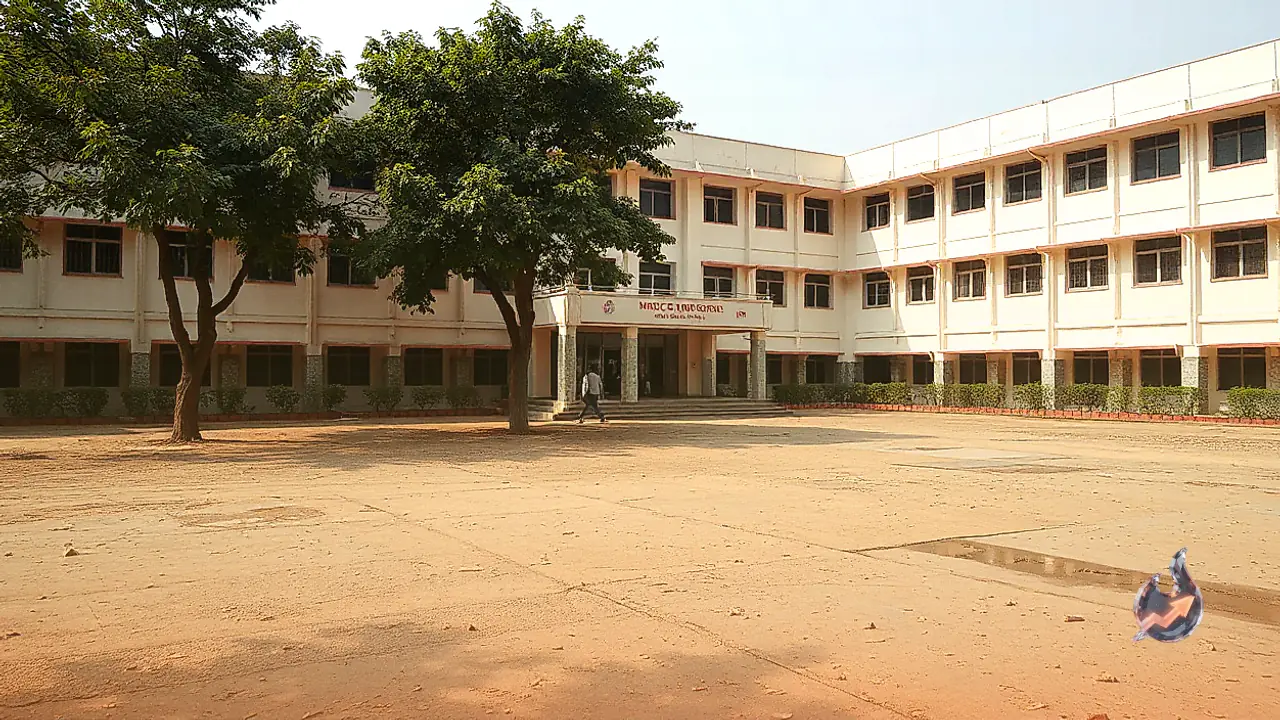
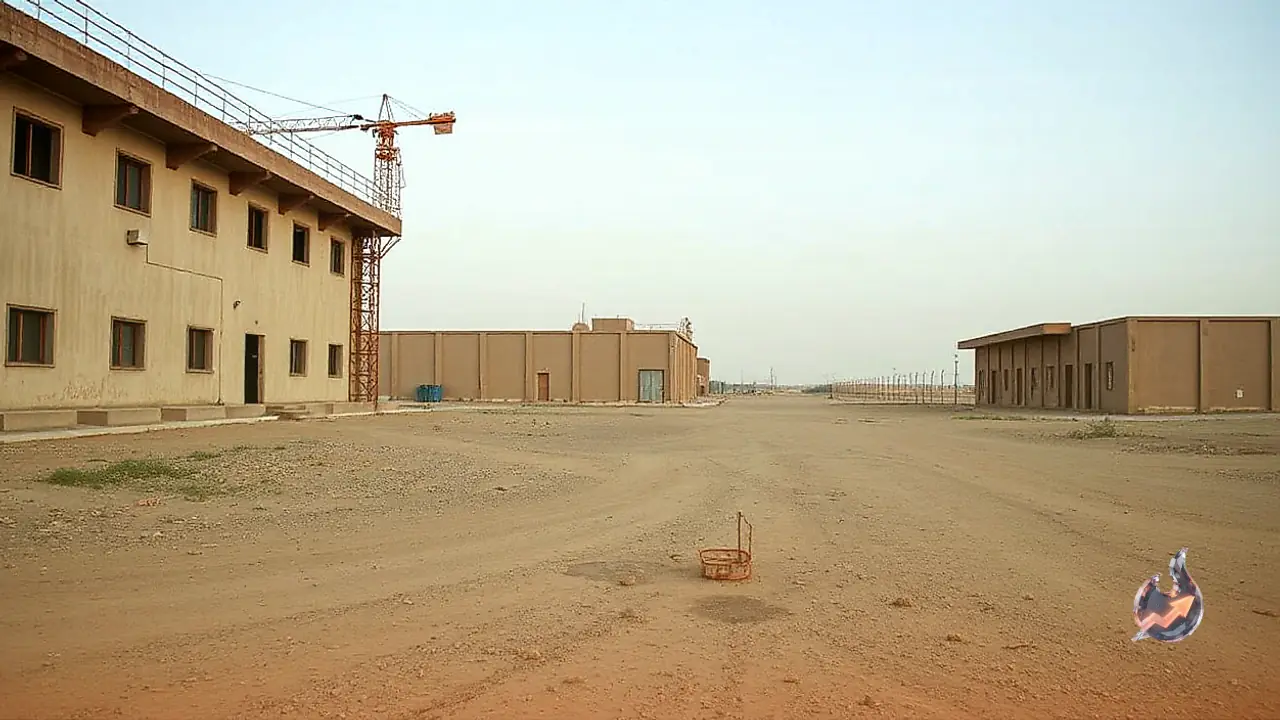
Prior to the strikes in June 2025, Iran had already accumulated an estimated 441kg of uranium enriched up to 60%, a threshold dangerously close to weapons-grade material. The extensive nuclear complex located at Isfahan sustained severe structural damage during the US and Israeli aerial bombardment, particularly affecting surface-level structures. Conversely, the functional and structural condition of its underground chambers remains shrouded in uncertainty, though the agency strongly suspects that a substantial portion of Iran's highly enriched inventory was housed at the location.
Growing Proliferation Risks and Regional Tensions
In its comprehensive report, the agency underscored that the persistent information vacuum regarding nuclear material and verification access represents an alarming proliferation concern that requires urgent rectification. Iran had publicly announced plans for the Isfahan Fuel Enrichment Plant on 12 June 2025, arriving shortly after an IAEA resolution formally declared that Tehran had failed to honor its nuclear safeguards obligations.
While Iranian authorities initially agreed to permit inspector access to the newly announced site, the scheduled visit was abruptly canceled after Israel initiated military strikes the very following day. This renewed appeal from the nuclear watchdog comes nearly a year after a similar diplomatic push, during which the agency noted it had only managed to inspect a handful of the 13 nuclear facilities left unaffected by previous strikes, while zero inspections were conducted on the seven sites that suffered direct hits. Both the United States and Israel have consistently maintained that their military operations targeting Iranian nuclear sites were designed to thwart any potential development of nuclear weaponry, an ambition that Tehran has repeatedly denied while insisting its nuclear program serves exclusively peaceful civilian purposes.