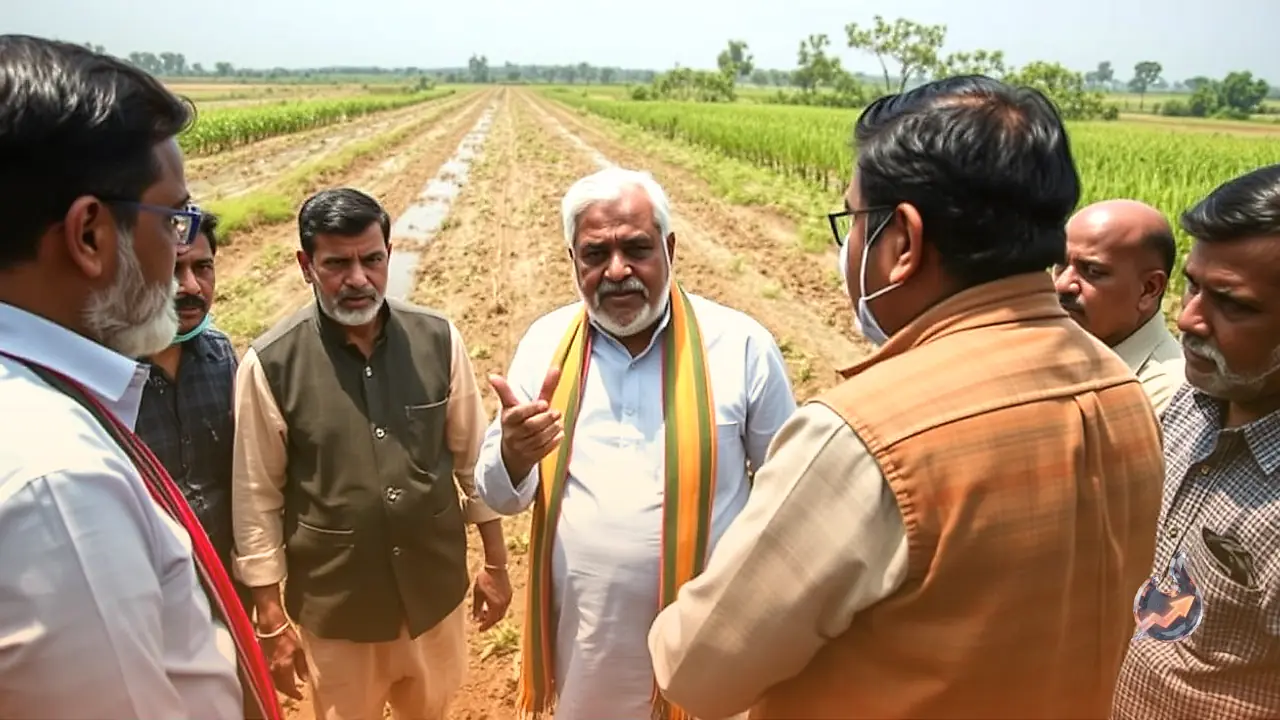





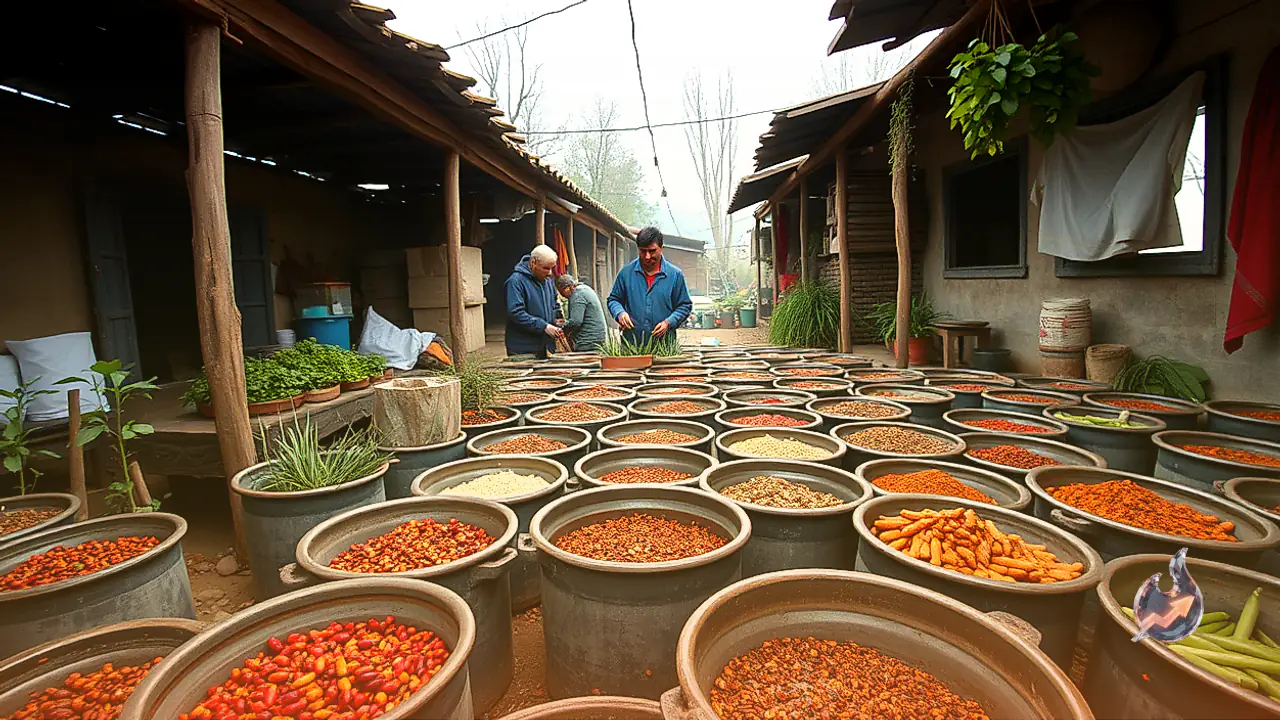















In Karahari village of Madhya Pradesh's Chhatarpur district, 20-year-old Mahendra has built a sustainable livelihood entirely through grassroots initiative. Having studied only up to the eighth grade, traditional employment opportunities remained out of reach. When family financial pressure mounted, he chose not to stay idle and instead embraced a rural trade model. Today, he travels across villages on his motorcycle selling everyday pulses and dry fruits, generating a steady income of one to two thousand rupees every day.
Drawing Lessons from His Father's Rural Trade
Reflecting on his early years, Mahendra explains that his inclination toward travelling outdoors kept him from focusing on formal studies, leading him to leave school after grade eight. As household finances deteriorated, he recalled how his father used to earn a living by travelling across villages to sell pulses and dry fruits. Inspired by his father's proven trade model, Mahendra decided to enter the exact same business about two months ago, effectively turning his passion for outdoor mobility into an economic asset.
Sourcing from Mahoba Wholesale Markets for Chhatarpur Villages
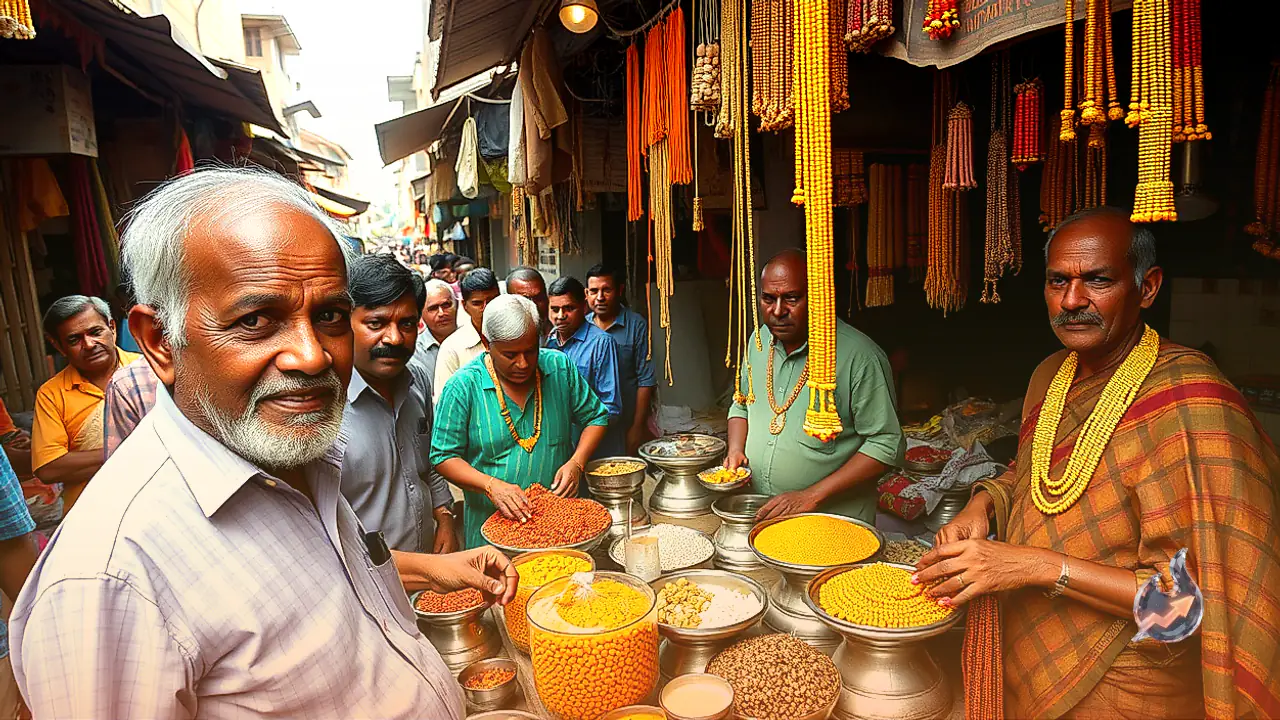
Because Karahari sits close to Uttar Pradesh's Mahoba district, Mahendra uses this proximity to buy directly from wholesale agricultural markets. He procures staples such as moong, urad, arhar, and masoor pulses from Mahoba traders. Moong pulse sees particularly strong local demand across Chhatarpur villages because regional production of that crop is low. While he procures moong pulse at wholesale rates of Rs 60 per kilogram, he retails it to village households at Rs 100 per kilogram.
Daily Volume of 50 Kilograms with Steady Margins
On a routine day, Mahendra manages to sell around 50 kilograms of pulses across five to ten separate villages. Across different pulse varieties, his margin ranges between Rs 30 and Rs 40 per kilogram. Navigating through village roads, he calls out to households, and residents step out directly to buy. Whenever customers bargain, he concedes a small discount of Rs 5 per kilogram, which secures repeat buyers for future visits. Alongside pulses, he also carries dry fruits to diversify his offerings.
Minimal Overhead Leaves Rs 1000 to Rs 2000 in Daily Profit
The primary advantage of this business model lies in its low operating costs. Without expenses like shop rent or store maintenance, the only operational cost is the petrol for his fuel-efficient motorcycle. Even after subtracting fuel costs, Mahendra consistently retains at least Rs 1000, and up to Rs 2000 on strong days, in net daily earnings. By building rapport with regular buyers through fair pricing and reliable doorstep delivery, the young entrepreneur has secured a dependable self-reliant income.