














The State Election Commission has officially proclaimed the schedule for the 2026 Panchayati Raj institutional elections across Rajasthan. While voting activities across most regions are organized across four consecutive phases, four specific districts have been exempted from the primary schedule. Electors across Baran, Sri Ganganagar, Karauli, and Kota will not participate in the Zila Parishad and related local governance elections alongside the rest of the state.
Independent Election Schedule for Four Specific Districts
Clarifying the institutional setup, State Election Commissioner Rajeshwar Singh pointed out that Rajasthan comprises a total of 41 Zila Parishads. Among these councils, the standing tenures for the administrative bodies in Baran, Sri Ganganagar, Karauli, and Kota conclude in December 2026. Because their term limits extend toward the close of the year, voting across these jurisdictions cannot be consolidated into the four phases unveiled for the broader state. The commission will supervise polling in these four locations exclusively after December, with dedicated timelines to be released independently at a subsequent stage.
Panchayat Samitis in Affected Districts Also Put on Hold
This staggered timeline extends down to the grassroots level, covering the respective Panchayat Samitis affiliated with these four districts. The general poll timetable formulated for other regions does not apply to the local committees in Baran, Kota, Karauli, and Sri Ganganagar. Consequently, administrative and electoral operations across these local development blocks will proceed on a distinct calendar rather than synchronizing with the wider statewide balloting.
October and November Polling Planned for Remaining Areas
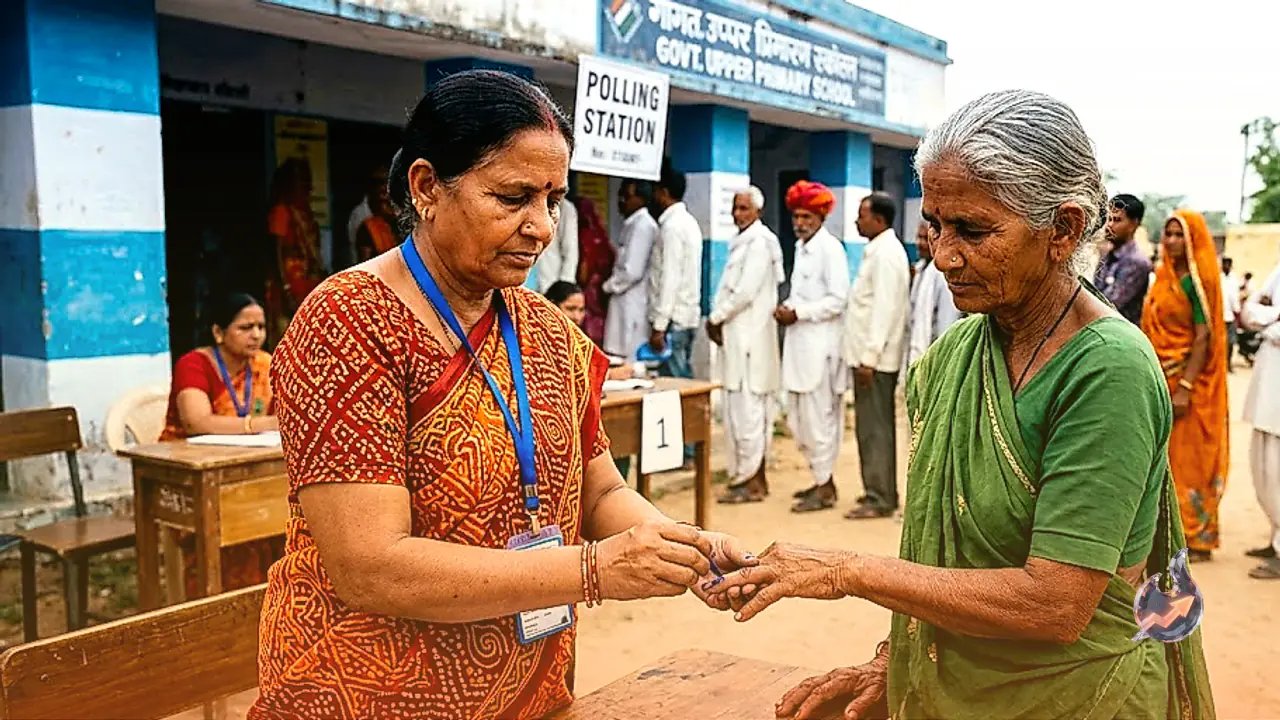
Rural jurisdictions in all other parts of Rajasthan will observe an earlier balloting window. Members of Zila Parishads and Panchayat Samitis will be selected through polling planned for October 23, October 29, November 4, and November 14. In tandem, citizens will cast votes for Panch and Sarpanch representatives on October 25, October 31, November 6, and November 16. These multi-stage exercises will seat leadership across standard rural bodies, leaving electors in Kota, Baran, Karauli, and Sri Ganganagar to await subsequent updates from electoral authorities.
Tenure Expirations Dictate the Delayed Ballot
The sole factor underlying this divergence is the existing tenure schedule of the governing bodies in the four excluded areas. The State Election Commission clarified that since their official mandate persists through December 2026, holding elections prematurely would conflict with administrative timelines. Consequently, the newly announced four-phase dates do not govern voting in these four sectors. This divergence represents a notable structural element of the 2026 Panchayati Raj elections, ensuring that while the majority of rural Rajasthan finalizes representation by mid-November, these select areas will transition only after December.