
















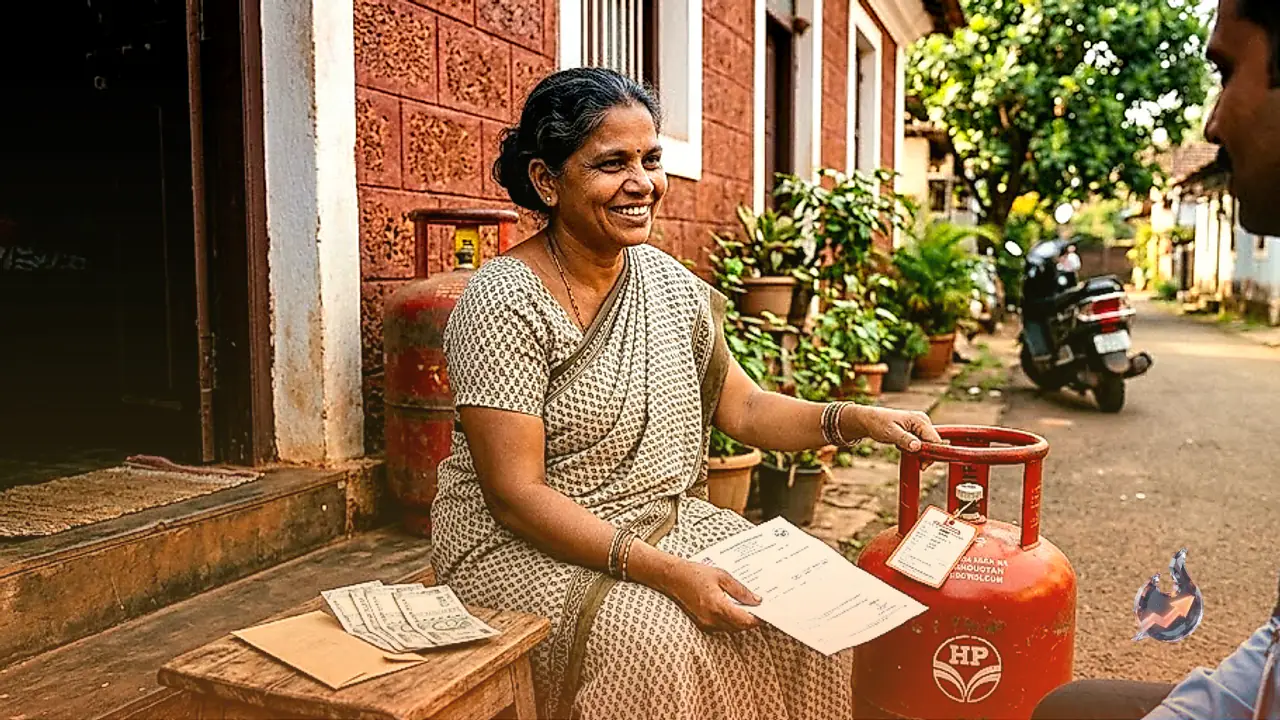

Goa has become the second state in India to promise free LPG cylinders to households, with chief minister Pramod Sawant rolling out the new Goa Ujjwala Yojana scheme that will hand eligible families Rs 3,000 in cooking-fuel support for the financial year 2026-27.
What The Goa Ujjwala Yojana Offers
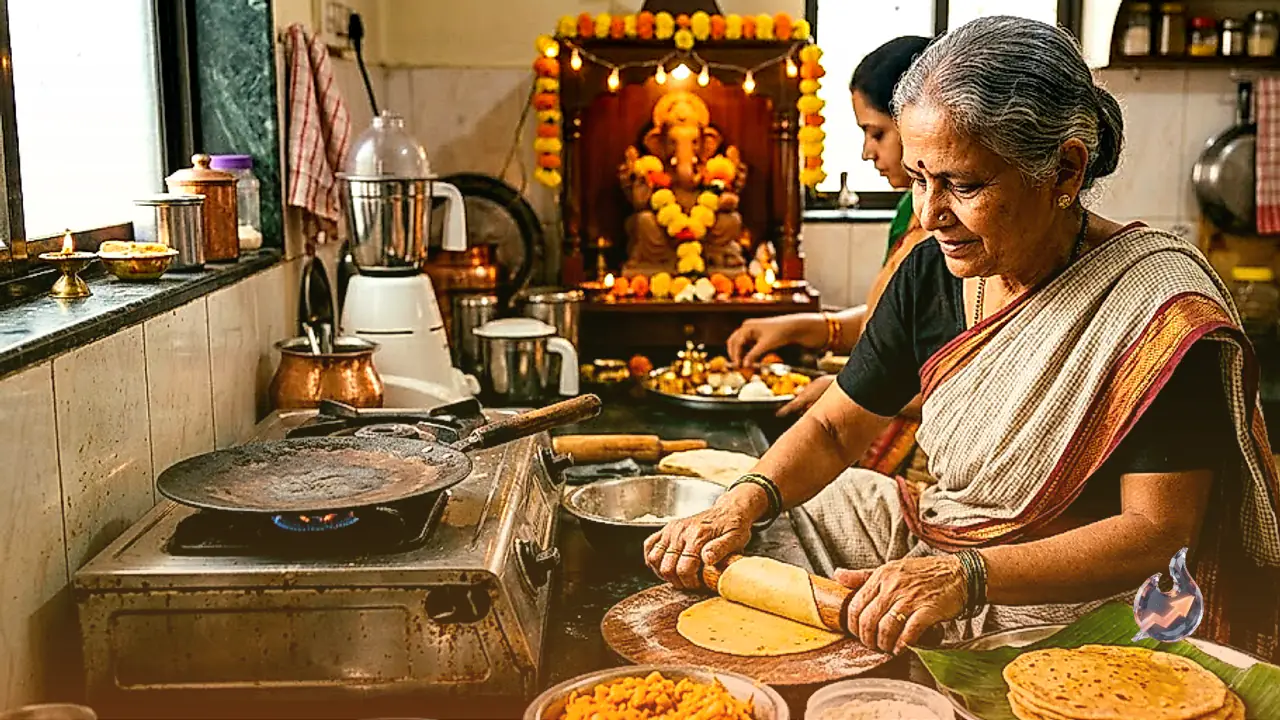
Under the scheme, the Goa government will transfer around Rs 3,000 as a one-time, lump-sum payment through direct benefit transfer (DBT) to eligible households every financial year. This amount is designed to match the cost of three domestic LPG cylinder refills, effectively giving beneficiaries three free cylinders' worth of cooking gas each year. Unlike many welfare schemes, the Goa Ujjwala Yojana does not impose any income ceiling, and there are no employment-related restrictions on who can benefit. Both LPG and PNG customers are eligible to apply, and the government-backed Vikaspedia website confirms that the payout is meant to offset the rising cost of cooking fuel that has been squeezing household budgets. The scheme also carves out separate application categories for people who are already beneficiaries of the Griha Aadhaar Scheme and the Dayanand Social Security Scheme (DSSS), alongside a general Open Category for everyone else.
Who Can Apply: Eligibility Criteria
To qualify for the Goa Ujjwala Yojana, an applicant must be a resident of Goa and must hold a valid domestic LPG or PNG connection. Only one domestic connection per household is eligible for the benefit, which rules out multiple claims from the same address. People who are already registered under the Griha Aadhaar Scheme or the Dayanand Social Security Scheme can apply through their respective designated categories, while anyone not covered by either of those schemes can apply under the Open Category instead. Importantly, there is no income limit prescribed anywhere in the scheme, and no restriction based on employment status. However, commercial LPG or PNG connections are explicitly excluded, so only domestic household connections qualify. All applications remain subject to verification by the concerned local authorities before any money is released.
Documents Required For The Application
Applicants will need to submit a duly filled application form along with their Aadhaar Card and bank passbook. Proof of a domestic LPG or PNG connection is mandatory, as are Aadhaar-linked e-KYC details. Those applying under the Open Category will additionally need to produce their EPIC or Voter ID Card and a prescribed affidavit. Authorities may also ask for any additional documents during the verification process, so applicants are advised to keep their paperwork ready in advance.
How To Apply For The Scheme
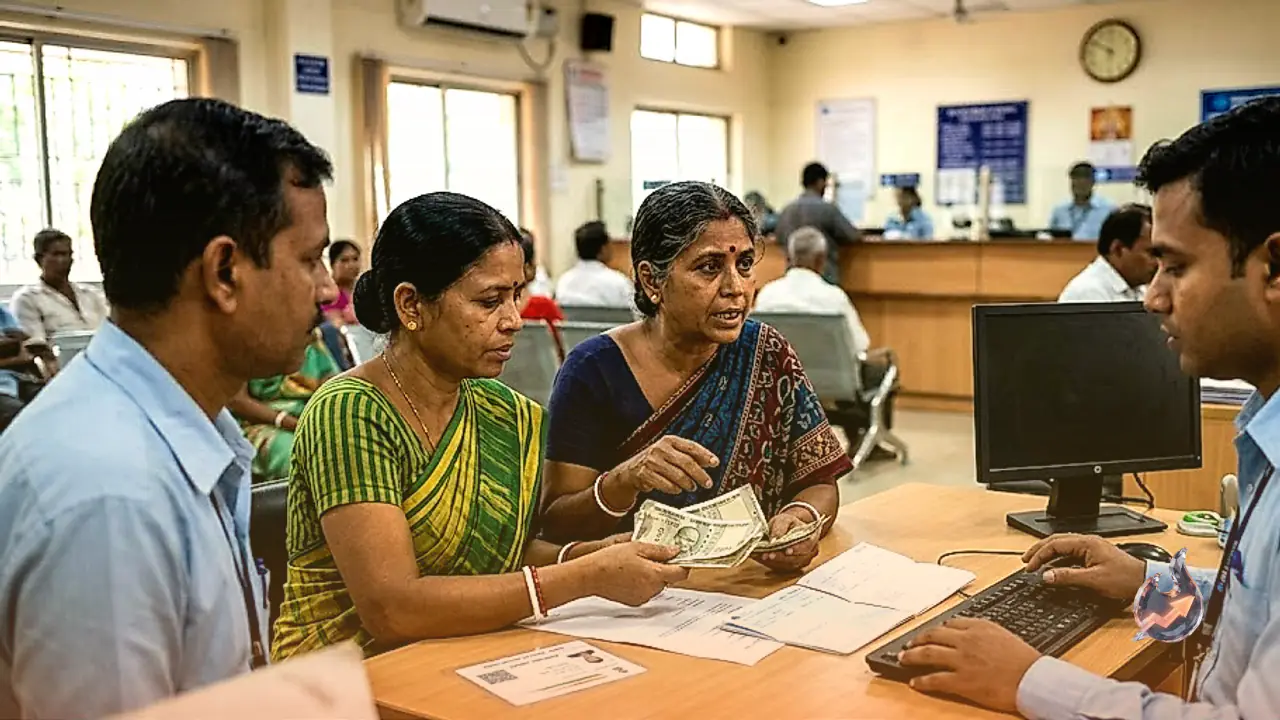
The process begins with a visit to the nearest Village Panchayat or Municipal Office, where applicants can collect the Goa Ujjwala Yojana application form. The next step is to select the appropriate beneficiary category, whether that is Griha Aadhaar, DSSS or Open Category, and then fill in personal details, bank account information and fuel connection details on the form. All the required supporting documents must be attached before the completed form is submitted at the designated office. Once submitted, the authorities will verify the applicant's eligibility and cross-check the documents, and only approved beneficiaries will receive their assistance through DBT.
Application Timeline In Goa
Application forms for the scheme have already been circulated across 191 gram panchayats and municipal offices throughout Goa. Residents can submit their completed forms between September 5 and September 8 through Panchayat Secretaries, Swayampurna Mitras, or other prescribed local authorities. The government expects the annual assistance to actually start reaching beneficiaries on September 9 or September 10, 2026. It is worth noting that this rollout comes nearly four and a half years after the scheme was first promised, making it a long-delayed fulfilment of an old commitment.
Tamil Nadu's Annapoorani Super Six Scheme
Goa is not the first state to make this kind of promise. Tamil Nadu recently launched its own version through the Annapoorani Super Six scheme, under which the state will provide three free LPG gas cylinders to eligible households, which is half of the six cylinders that had originally been promised during elections. CM C Vijat launched the scheme. The Tamil Nadu scheme carries an estimated annual outlay of Rs 4,000 crore and is expected to benefit as many as 1.30 crore households across the state. However, unlike Goa's scheme which is already being rolled out, Tamil Nadu's cylinder benefit will only be implemented from Pongal 2027.
Pradhan Mantri Ujjwala Yojana: The National Scheme
Separately from these state-level initiatives, the central government continues to run the Pradhan Mantri Ujjwala Yojana (PMUY) across the country, which also channels subsidy benefits to beneficiaries through direct benefit transfer. A PMUY beneficiary receives a free security deposit LPG connection with no installation charges, and this includes a 14.2 Kg LPG cylinder or a 5 Kg LPG cylinder, a domestic pressure regulator, a 1.2 metre Suraksha hose pipe, a DGCC booklet, free first refills and a free two-burner stove. Some rules under PMUY have been revised over time; beneficiaries now get 4 subsidised LPG refills per year, down from the earlier 9 free refills, and the subsidy amount currently stands at Rs 300 per cylinder for the first four refills.
LPG Cylinder Prices In September 2026
For the current month, a 14.2 Kg domestic LPG cylinder in Goa is priced at Rs 956, while the 19 Kg commercial LPG cylinder has been hiked by Rs 10 to Rs 2,825 per cylinder. In Tamil Nadu, both domestic and commercial LPG cylinders cost more than in Goa: for September 2026, a 14.2 Kg domestic LPG cylinder is priced at Rs 957.50, while the 19 Kg commercial LPG cylinder has been hiked by Rs 10.50 to Rs 2,916.50 per cylinder.