


















During the solemn fortnight of Pitru Paksha, dedicated to honoring and remembering departed ancestors, one specific fasting observance holds immense spiritual weight for devotees across the country. Known as Indira Ekadashi, this sacred fast combines heartfelt devotion to Lord Vishnu with sacred prayers and offerings directed toward the welfare and peace of deceased family members. Falling in the Krishna Paksha of the Ashwin month, the observance is considered especially crucial for families carrying out traditional ancestral rites during the Pitru Paksha period. In 2026, Indira Ekadashi will be observed on Tuesday, October 6, with the concluding fast-breaking rituals scheduled for Dwadashi morning on October 7.
Indira Ekadashi 2026: Tithi Timings and Calendar Calculations
According to the Panchang calendar calculations, the Ekadashi tithi commences at 2:07 am on October 6, 2026. The lunar date remains active throughout the day and finally concludes at 12:34 am on October 7. Because the sunrise on October 6 coincides with the ongoing Ekadashi tithi, the principal day of fasting falls on Tuesday, October 6. Devotees observing the discipline of the vrata will keep their fast on this day, concluding the penance during the specified morning period on the following day.
Prescribed Parana Window and Rules for Breaking the Fast
The spiritual merits of an Ekadashi fast are traditionally realized only when the fast is broken correctly during the designated Parana period on Dwadashi. Completing the fast outside the auspicious window or before sunrise is considered improper according to traditional practice.
- Auspicious Parana Hours: On October 7, 2026, the prescribed Parana timing opens at 6:17 am and closes at 8:38 am.
- Sunrise Requirement: Devotees must break their fast strictly after sunrise within this specified morning window.
- Charity and Offerings: It is customary to offer food, rations, or donations to Brahmins, cows, and those in need prior to consuming one's own meal.
- Regional Panchang Adjustments: Sunrise timings and tithi durations show minor local variations based on geography, allowing devotees to verify the exact window against their local Panchang or family practices.
Devotion to Lord Vishnu in the Hrishikesh Form
Indira Ekadashi is dedicated entirely to Lord Vishnu, with sacred texts prescribing worship in his divine form as Hrishikesh. The observance blends spiritual self-discipline, recitation of sacred hymns, and the deliberate dedication of religious merit to ancestors. A well-known scriptural tradition links the significance of this day to a sacred dialogue between Lord Krishna and King Yudhishthira, where the divine benefits of observing this fast were explained in detail. The vrata is observed not merely for personal spiritual elevation but as an act of gratitude and prayer for the liberation of departed ancestors.
Preparations and Dietary Discipline Beginning on Dashami
The disciplined conduct required for Indira Ekadashi begins a day prior, on Dashami. On this preparatory day, devotees consume purely sattvik and simple meals, strictly steering clear of items like grains, onions, garlic, non-vegetarian food, and alcohol. Depending on regional customs and family traditions, many practitioners follow the rule of consuming their primary meal earlier in the afternoon on Dashami to maintain physical purity for the upcoming full-day fast.
Step-by-Step Puja Vidhi and Ritual Practices
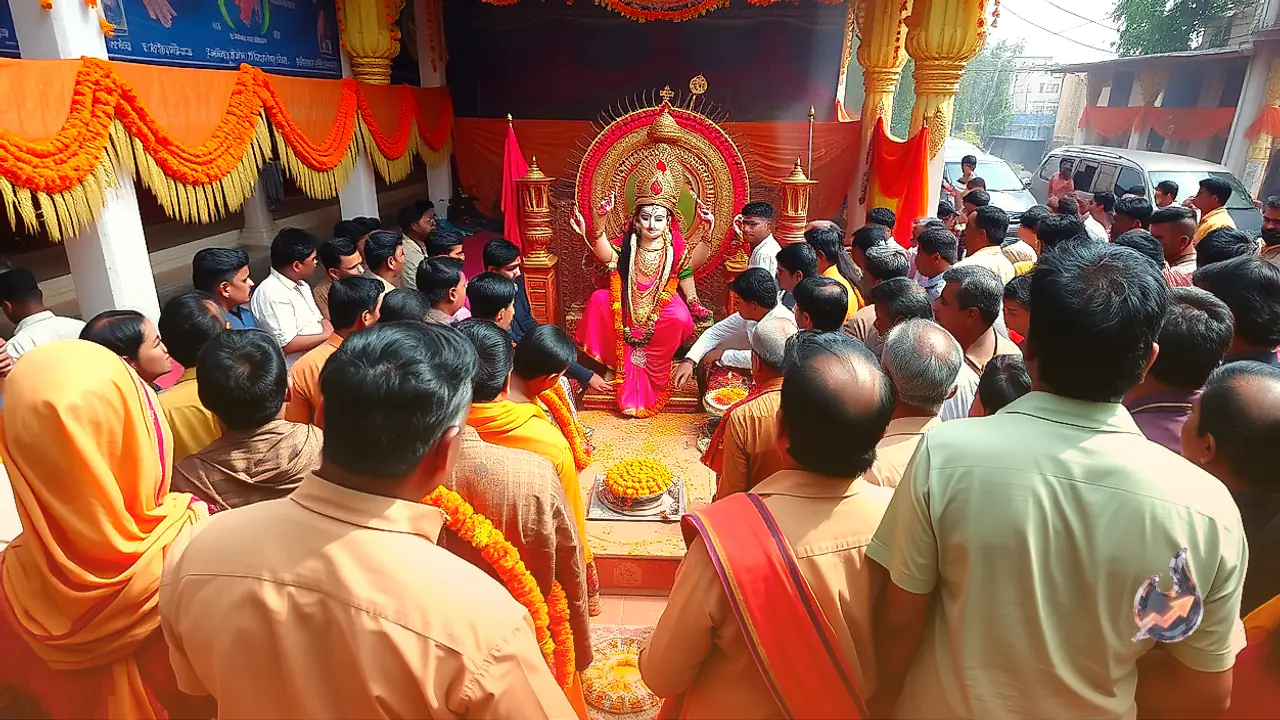
On the morning of Ekadashi, devotees wake up during the early hours, bathe, and dress in fresh, clean attire before taking a formal sankalp (sacred resolution) for the fast. A sacred idol or portrait of Lord Vishnu, or a Shaligram stone, is arranged reverently in the worship space.
- Offerings to the Deity: Worshipers offer yellow blossoms, fresh fruits, traditional sweets, Panchamrit, and sacred Tulsi leaves while chanting Vishnu mantras.
- Importance of Tulsi: Tulsi leaves occupy an essential role in Vishnu worship and are invariably included in all ceremonial food offerings.
- Reading the Vrat Katha: Listening to or reciting the Indira Ekadashi Vrat Katha forms an integral component of the day's devotional observances.
- Contemplation and Ancestral Remembrance: Devotees spend the remaining hours in contemplation, meditation, prayer, and silent remembrance of their ancestors.
Dual Spiritual Significance in Pitru Paksha
The convergence of Ekadashi within the fortnight of Pitru Paksha bestows a unique dual dimension upon this observance. While regular Ekadashis focus on personal spiritual advancement, penance, and devotion to the Supreme Being, Indira Ekadashi acts as a conduit for familial spiritual welfare. The pious deeds, charity, and fast observed on this day are traditionally believed to bring peace to ancestral spirits, granting fulfillment, harmony, and protection to the practitioner's family.