








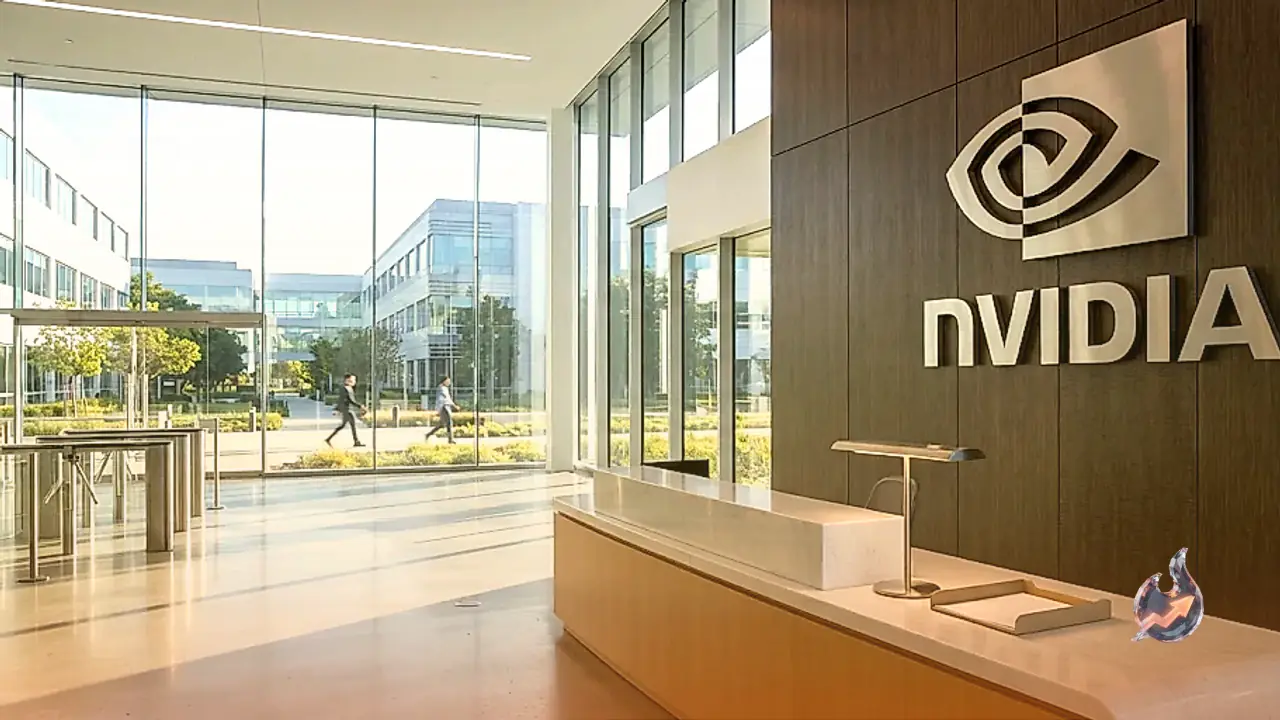














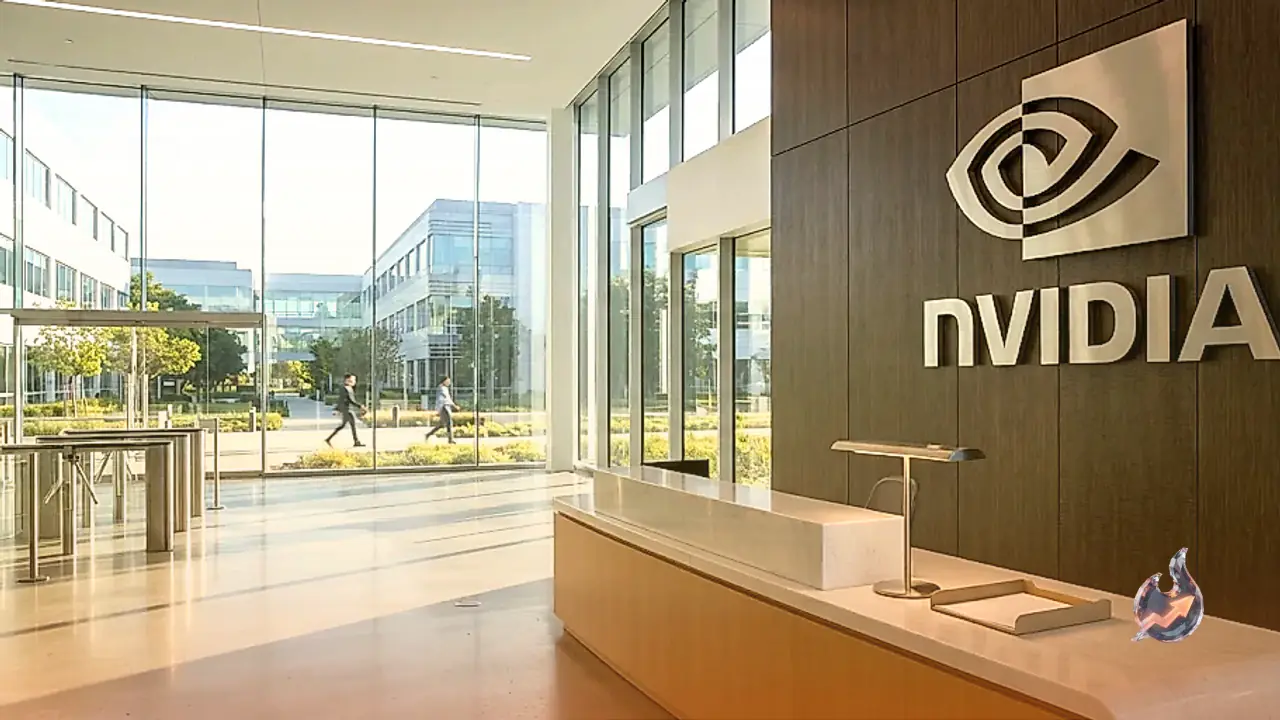

A major turning point has hit the semiconductor and artificial intelligence sectors following the unexpected resignation of Jensen Huang as chief executive officer of Nvidia. The news immediately triggered volatility across global markets, with Nvidia stock plunging by as much as 14% during intraday trading on Thursday, November 12, before paring losses to settle 4.3% lower. Huang's departure leaves a void at the helm of the world's most valuable chipmaker and brings intense focus to the complex $500 billion web of financial commitments, strategic investments, and client relationships that fueled the company's unprecedented rise in the AI boom. The leadership vacuum also drew heightened attention to rivals such as Advanced Micro Devices (AMD) and Broadcom as investors re-evaluate the competitive dynamics of the semiconductor landscape.
Interim Leadership and Executive Continuity Under Colette Kress
Following Huang's exit, Nvidia's Board of Directors appointed Chief Financial Officer Colette Kress to serve as interim CEO. Kress, who has directed the semiconductor giant's financial operations since 2013, brings extensive experience in corporate finance, balance sheet management, and capital allocation. During her tenure as CFO, she oversaw exponential revenue growth driven by the expansion of Nvidia's data center business and the rollout of its flagship Blackwell AI hardware architecture. Her immediate task centers on stabilizing investor sentiment while managing the firm's extensive financial exposure and ongoing commercial commitments.
Concurrently, the board has initiated a comprehensive search process for a permanent chief executive, evaluating both internal and external prospects. Senior executive Ian Buck, widely recognized for his role in developing Nvidia's proprietary software architecture, has emerged as a prominent internal candidate. The board is also considering established tech industry leaders. Kress will maintain operational momentum and governance stability until a permanent successor is confirmed.
The Circular Investment Strategy and Ecosystem Exposure
Under Huang's leadership, Nvidia pursued a strategy that placed it at the absolute core of global AI capital deployment. Rather than operating purely as a hardware vendor, Nvidia aggressively invested in the broader technology ecosystem, acquiring stakes in AI startups, software developers, and cloud infrastructure providers. By late July, Nvidia's equity portfolio had reached approximately $99 billion, including a headline $30 billion commitment to OpenAI. Beyond direct equity holdings, the company extended financial guarantees and commitments linked to data center expansion, cloud capacity, and forward chip procurement.
This corporate strategy established a tightly linked capital flow across the sector. Nvidia provided capital to AI innovators and cloud host platforms, which subsequently deployed those financial resources to purchase Nvidia's high-margin graphic processing units (GPUs) and specialized server systems. While this setup guaranteed robust order volumes for Nvidia and provided vital liquidity for scaling AI startups, market analysts have raised concerns regarding ecosystem over-reliance and circular financing risks. Estimates from financial institution UBS suggest that a cessation of this capital recycling framework could withdraw at least $50 billion in direct liquidity from the AI ecosystem, a critical consideration as technology enterprises navigate sustained elevated interest rates.
Market Competition and Software Ecosystem Barriers
The transition at Nvidia comes at a moment when major enterprise customers and cloud hyperscalers are seeking to diversify their silicon procurement strategies. Industry market metrics from the second quarter of 2026 indicate that Nvidia maintained a commanding 63% market share in AI processors, while Google held 25% and AMD captured 4%. Competitors AMD and Broadcom are positioning their hardware offerings to capture additional market share during this period of corporate transition.
Despite intensifying hardware competition, Nvidia retains a substantial competitive moat through its proprietary CUDA software architecture and extensive global developer community. Competing in the enterprise AI space requires not only superior silicon architecture but also deep integration with existing software libraries, enterprise developer tooling, and established cloud ecosystems. This software lock-in presents a significant hurdle for rivals attempting to displace Nvidia's market dominance.
Geopolitical Risk and Regulatory Oversight
Beyond commercial execution, Huang played a key role as a public advocate and diplomat for the US technology sector in Washington and Beijing. His engagement was pivotal as governments navigated complex policy discussions around AI ethics, technological sovereignty, and export controls. His departure introduces an added layer of regulatory complexity as Washington maintains strict export restrictions on advanced semiconductor shipments to China.
Additionally, Nvidia remains subject to an ongoing antitrust investigation led by the US Department of Justice (DoJ). Simultaneously, the company faces growing competitive pressures in China, where domestic chip designers like Huawei are accelerating alternative hardware development. Navigating these regulatory and geopolitical hurdles while preserving corporate culture will define the mandate for Nvidia's next permanent leader.