























Venturing into the food processing sector presents a dependable self-employment pathway for individuals seeking to launch an enterprise with limited upfront capital. Among vegetable-based value-added goods, tomato derived products command consistent and widespread consumption across every season. Fresh tomatoes sourced directly from local markets can be processed into shelf-stable items such as ketchup and table sauces. The operational advantage of this micro-enterprise is that it does not mandate a massive factory space or heavy industrial infrastructure at the outset. An entrepreneur can comfortably commence operations from a modest household or village setup, steadily expanding machinery and production volume as market reach widens and buyer demand strengthens.
The Core Manufacturing Process
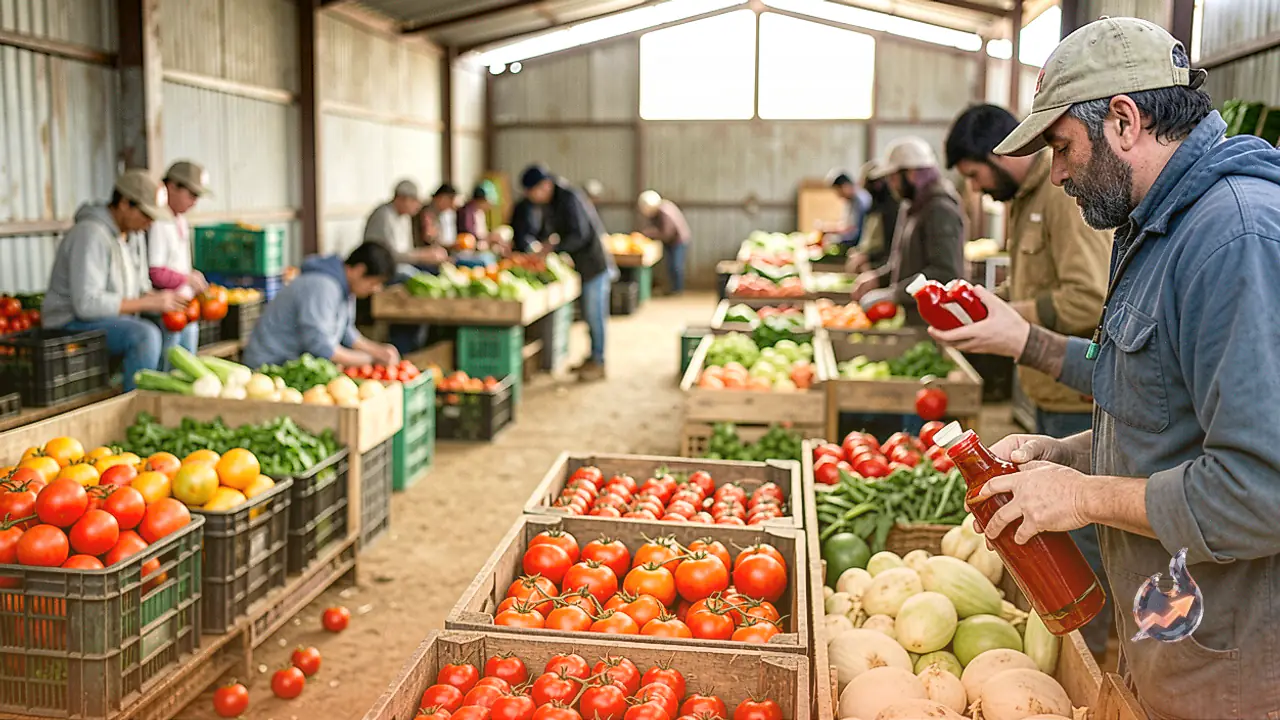
According to Vimal Kumar Tomar, who serves as a DRP in the Horticulture Department, raw tomatoes can serve as the foundational ingredient for an array of finished culinary products including conventional table sauce and rich ketchup. The operational steps follow a straightforward, standardized flow. Ripe, unblemished red tomatoes are carefully handpicked and thoroughly washed in clean water to eliminate dirt, soil, and surface residue. The cleaned produce is subsequently boiled or steam-heated to soften the outer skin layer. Once the skin is removed, the softened pulp is fed into a commercial mixer, grinder, or motorized pulping machine to extract a smooth, seed-free base.
This extracted pulp is transferred to clean cooking vessels where it is simmered at measured temperatures. Specific proportions of flavor-enhancing and preservative ingredients are blended into the simmering pulp. Sugar, table salt, approved food-grade vinegar, and selected dry spices are integrated systematically to achieve the targeted thickness, balanced sweet-and-sour profile, and proper viscosity. Maintaining strict hygiene protocols throughout the boiling, blending, and straining stages is essential to ensure a reliable shelf life without flavor degradation.
Initial Capital and Essential Machinery
Establishing a functioning micro-processing unit does not demand prohibitive capital. At the entry level, an entrepreneur can configure a fully operational small setup with an investment ranging between fifty thousand and one lakh fifty thousand rupees. The precise financial outlay correlates directly with the processing capacity of the machinery selected, batch volumes, and the type of packaging deployed. Those aiming for higher daily output can invest further in higher-capacity electric pulpers and semi-automatic bottling solutions.
A functional processing unit typically requires the following core apparatus and facilities
- Designated washing vats or food-grade tanks for washing and sanitizing raw tomatoes.
- Stainless steel boiling pots, industrial pans, or thermal processing vessels.
- Commercial heavy-duty grinding, blending, or motorized pulping machinery.
- Commercial gas burners, thermal stoves, or alternative culinary heating systems.
- Calibrated digital weighing scales for exact ingredient and batch measurement.
- Manual or semi-automated sealing equipment for closing pouches and capping glass bottles.
Raw Material Procurement and Ingredients
The financial viability of any tomato processing venture is heavily linked to prudent procurement of raw inventory. Fresh tomatoes represent the primary input cost, and these can be procured directly from local farm gates, regional agricultural wholesale mandis, or major vegetable distributors. During peak harvesting seasons when wholesale tomato prices plunge due to abundant supply, processors can buy top-grade produce at rock-bottom prices. Buying bulk stock during high-yield periods substantially depresses overall production cost, leaving wider room for financial returns. In addition to fresh produce, processors must secure steady supplies of white sugar, salt, culinary vinegar, acidity regulators, and powdered spices to maintain uniform taste across all manufactured batches.
Packaging and Local Distribution Strategy
Consumer appeal and commercial viability depend heavily on clean, practical packaging and informative branding. Finished sauce and ketchup can be packaged in convenient plastic squeeze pouches, standard glass jars, or large catering-grade containers. For initial distribution, entrepreneurs can target neighborhood retail grocery stores, highway dhabas, local diners, fast-food kiosks, and independent catering operations. Securing wholesale supply arrangements with nearby food vendors guarantees regular batch turnover and predictable cash flow. Once local quality reputation is firmly established, the enterprise can introduce customized label designs and expand distribution into broader regional wholesale hubs.
Profit Margins and Revenue Potential
Net financial returns from tomato processing are dictated by day-to-day production scale, raw procurement costs, packaging expenditure, overheads, and local wholesale pricing. For instance, if an entry-level unit processes between fifty and one hundred kilograms of fresh tomatoes every day, total revenue will reflect the volume of finished bottles and pouches dispatched. Industry estimates indicate that after deducting expenses on inputs, power, fuel, labor, and bottling, an operator can realistically generate a profit margin ranging from fifteen to twenty-five percent.
On achieving monthly gross sales of one lakh rupees, a producer can reasonably expect to retain between fifteen thousand and twenty-five thousand rupees as gross profit under normal operating conditions. As daily handling capacity climbs and raw sourcing scales up, per-unit overhead drops, enabling higher absolute monthly returns.
Mandatory Documentation and Approvals
Entrepreneurs looking to set up this micro-manufacturing unit and seek potential bank financing must assemble standard commercial identification paperwork. Required records include the applicant's Aadhaar card, Permanent Account Number (PAN) card, utility power bill for the operational premises, past six months of bank statements, and vendor machinery quotations. Furthermore, given the human consumption aspect of the enterprise, obtaining relevant food safety registrations and local commercial operational licenses is compulsory based on operational scale and trading jurisdiction. Starting cleanly with full compliance ensures smooth scaling as market demand accelerates.