




















A sharp diplomatic confrontation unfolded at the United Nations as the Trump administration intensified efforts to sway the upcoming annual vote condemning Washington's decades-long economic embargo on Havana. Stepping up the diplomatic offensive, US Ambassador to the UN Mike Waltz organized an event aimed at persuading member nations to oppose the resolution scheduled for next week. In response, Cuban officials mounted a vigorous counter-campaign, rejecting Washington's narrative and framing the long-running sanctions as an illegal policy of collective punishment against their population.
The Cuba Libre Panel and Human Rights Allegations
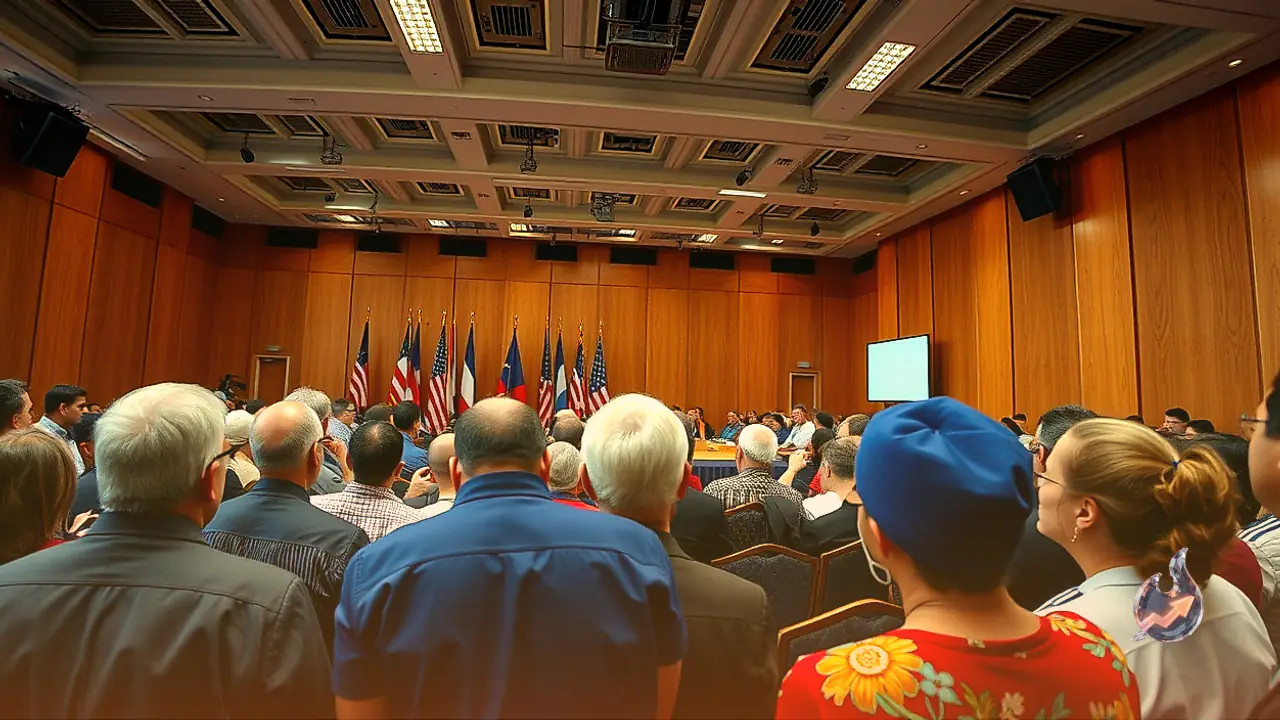
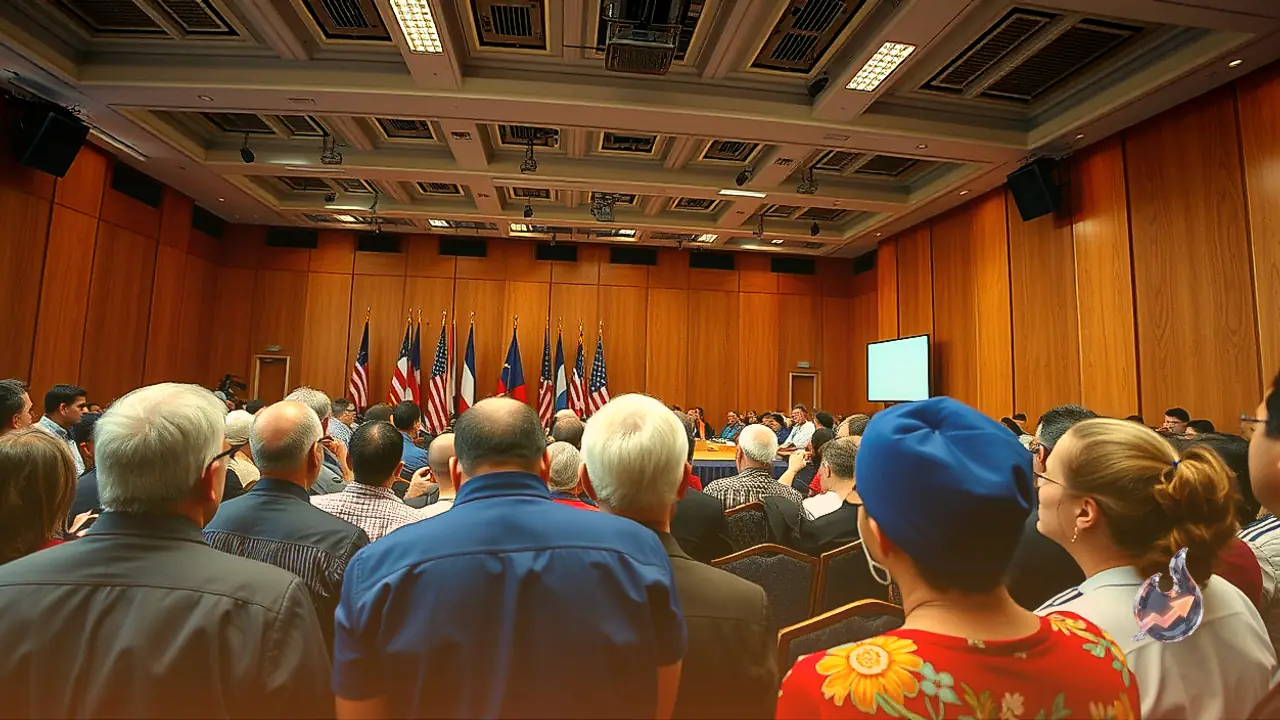
Inside the UN headquarters, Waltz presided over an event titled Cuba Libre, convening Cuban dissidents and former political prisoners to address international delegates. The session featured explicit video recordings documenting alleged state detentions across Cuba. Testifying before attendees, several speakers described suffering torture and protracted persecution simply for speaking out against the government. While Havana has repeatedly denied holding political prisoners, rights activists assert that thousands of individuals remain behind bars on political grounds.
Addressing the gathering, Waltz argued that this is the oppression that Havana wants to hide, urging foreign governments to look beyond what he described as seventy years of propaganda before casting their ballots. Waltz directly appealed to countries to vote down the resolution drafted for the coming week. This diplomatic push represents the second consecutive year that the Trump administration has launched a structured initiative to derail the measure.
Cuba Denounces American Event as a Distraction
A short distance away, Cuban Ambassador to the UN Ernesto Soberón Guzmán gathered fellow diplomats and international supporters to register a formal protest against the American panel. Guzmán forcefully condemned the gathering, stating that this charade is an attempt to deviate attention from a simple fact, asserting that the US is acting as an international delinquent by enforcing collective punishment on the people of Cuba. He dismissed the entire program as a targeted sham designed to undermine Havana.
Three Decades of Assembly Ballots and Historical Context
The 193-member UN General Assembly has taken up the resolution demanding an end to the embargo every single year for the past thirty-four years. Throughout that span, the non-binding document has consistently secured overwhelming international support. During the previous year's vote, the resolution passed by a margin of 165 to 7, with 12 delegations choosing to abstain. Notably, Argentina, Ukraine, and Hungary voted against the text for the first time in that session.
Although General Assembly resolutions carry no binding legal enforcement power, they serve as a definitive barometer of global sentiment regarding US policy toward the island nation. The trade restrictions trace back to 1960, enacted in the aftermath of the revolution led by Fidel Castro that ousted dictator Fulgencio Batista and resulted in wide-ranging nationalizations affecting American individuals and commercial enterprises.
Deepening Energy Woes, Demonstrations, and Exodus
Critics point out that Washington's diplomatic maneuvers are integral to a broader strategy aimed at exerting maximum leverage over Cuba's political governance. Among these measures are specific restrictions on incoming fuel shipments to the island. The severe shortages resulting from these policies have been directly linked to sweeping electrical grid failures that disrupt everyday cooking, municipal water distribution, and telecommunication infrastructure, including telephone and internet networks.
Bilateral diplomacy briefly warmed in 2015 when Raúl Castro and Barack Obama formally re-established diplomatic ties, leading to a historic moment in 2016 when the United States abstained from the UN embargo vote for the first time. However, since 2020, Cuba has been gripped by an acute economic and energy downturn, marked by declining GDP, chronic blackouts, high inflation, and food scarcity. The worsening conditions have sparked recurring public demonstrations and spurred massive emigration, driving hundreds of thousands of Cubans abroad, with a significant number heading to the United States. Against this turbulent backdrop, the United Nations is once again preparing for its annual vote as both governments lobby allies and competitors ahead of the assembly floor debate.