




















A healthy revolution in everyday tea-time snacking is gaining momentum in Uttar Pradesh, where biscuits crafted from 100 percent millets are seeing a sharp rise in consumer popularity. These biscuits offer a delicate texture that melts in the mouth while providing substantial dietary benefits. The product has quickly gained a loyal customer base, expanding beyond the Moradabad division to draw consistent orders from Delhi, Gurgaon, Haryana, and neighboring northern areas.
Blending Zesty Seasoning with Traditional Grains
The innovation took shape at the Agricultural Training Center located in Manoharpur. Vikas Kumar, the chief executive officer of the center, explained that peri-peri seasoning is widely recognized for its use in fried snacks like potato crisps and commercial puffs. Following extensive research and formulation testing, the team successfully blended the spicy seasoning with raw millet flour. The recipe also incorporates jowar, significantly elevating the nutritional quality of the baked treat.
The product also serves as a nutritious substitute for processed packaged snacks typically marketed to children. Parents are increasingly relying on these millet bites as a guilt-free lunchbox option, while adults enjoy pairing the zesty snack with hot afternoon tea.
Packaging Options, Pricing, and Market Reach
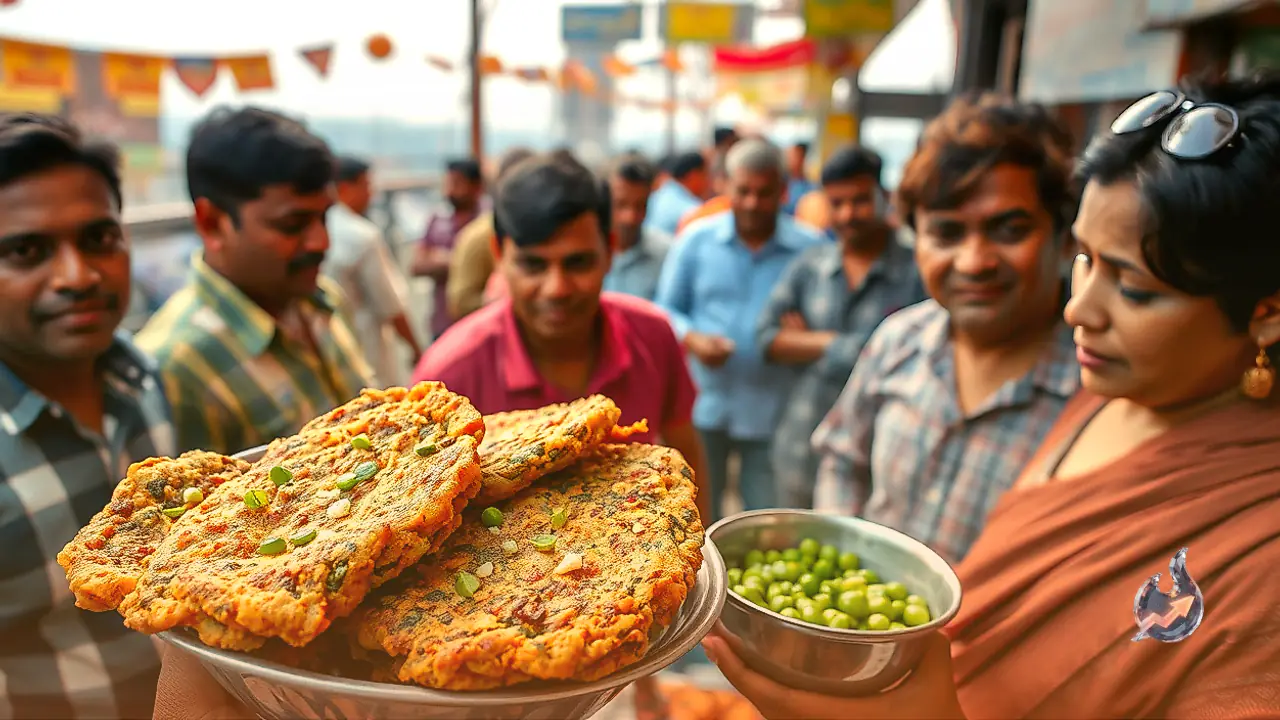
The enterprise has rolled out multiple variations, including potato-infused varieties, yet the tangy peri-peri profile remains the highest-selling choice among buyers. The biscuits are packaged in convenient 200-gram boxes with a retail price of 130 rupees. Favorable pricing combined with high quality has allowed the manufacturer to build a stable distribution channel spanning Delhi-NCR and several commercial centers across Haryana.
Digestive Advantages and Support for Rural Farming
Kumar emphasized that the high dietary fiber present in pure millets supports smooth digestion and gut health. Unlike refined flour items, these wholesome biscuits deliver genuine nourishment. Agricultural experts observe that strong consumer interest in such healthy packaged foods creates direct economic gains for local cultivators growing coarse grains, while also opening viable opportunities for regional entrepreneurs.