



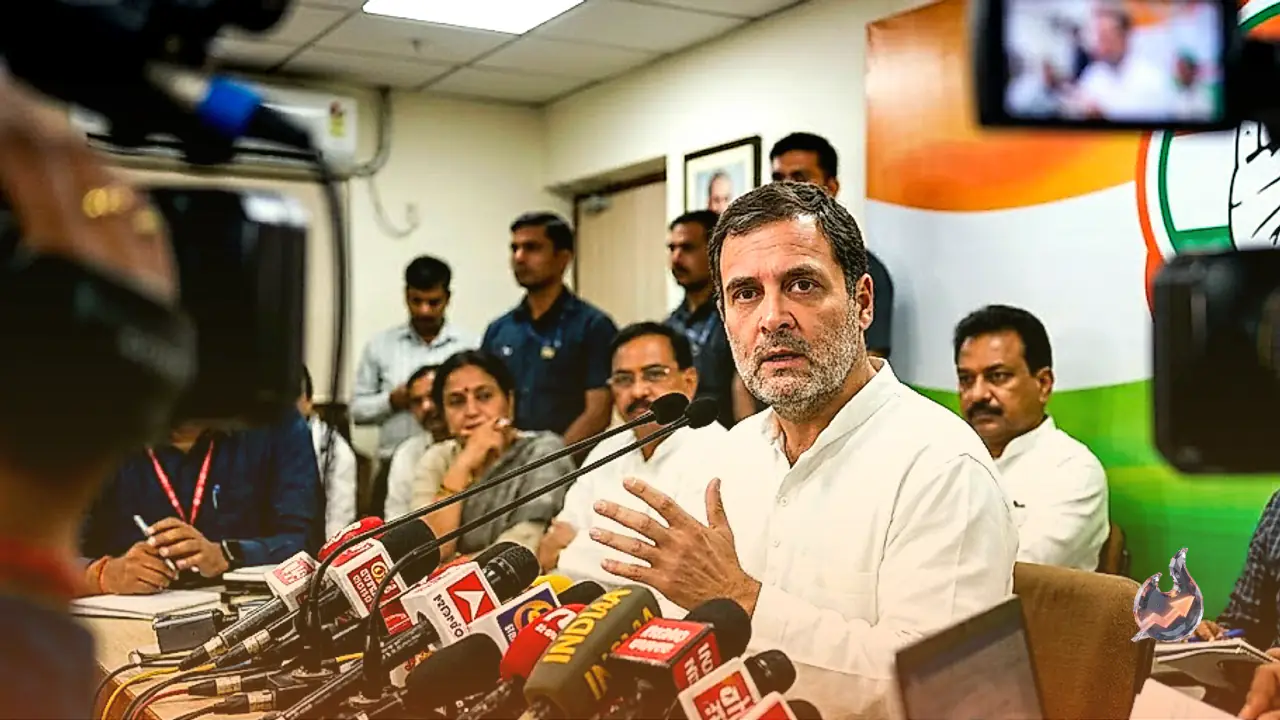















Central government employees and pensioners across India continue to track updates surrounding the 8th Central Pay Commission (8th CPC), anticipating adjustments to their earnings to offset rising living expenses. Speculation had grown around the festive season that major announcements concerning salary increases, pension revisions, and revised allowances might arrive during Diwali. However, expectations of immediate breakthroughs in November 2026 are misplaced because the commission tasked with preparing the framework is still deep in its consultative phase, gathering views from numerous service associations and pensioner bodies.
Commission Setup and the 18-Month Submission Timeline
The 8th Pay Commission was officially set up on November 3, 2025. Former Supreme Court judge Justice Ranjana Prakash Desai heads the panel as chairman. The committee also includes Professor Pulak Ghosh serving as a part-time member and Pankaj Jain discharging duties as the member secretary. This team holds the mandate to review representations, evaluate financial implications, and design a viable pay and pension structure before presenting recommendations to the union government for formal sanction.
When the terms of reference were established in November 2025, the committee was granted an 18-month window to finish its evaluations and deliver the final report. Working within that designated schedule means the commission's formal recommendations are expected to be placed before the government around May 2027. Any executive review, cabinet clearance, and subsequent notification can occur only after that document is received.
Consultation Roadshow Across States and Upcoming Mumbai Sittings
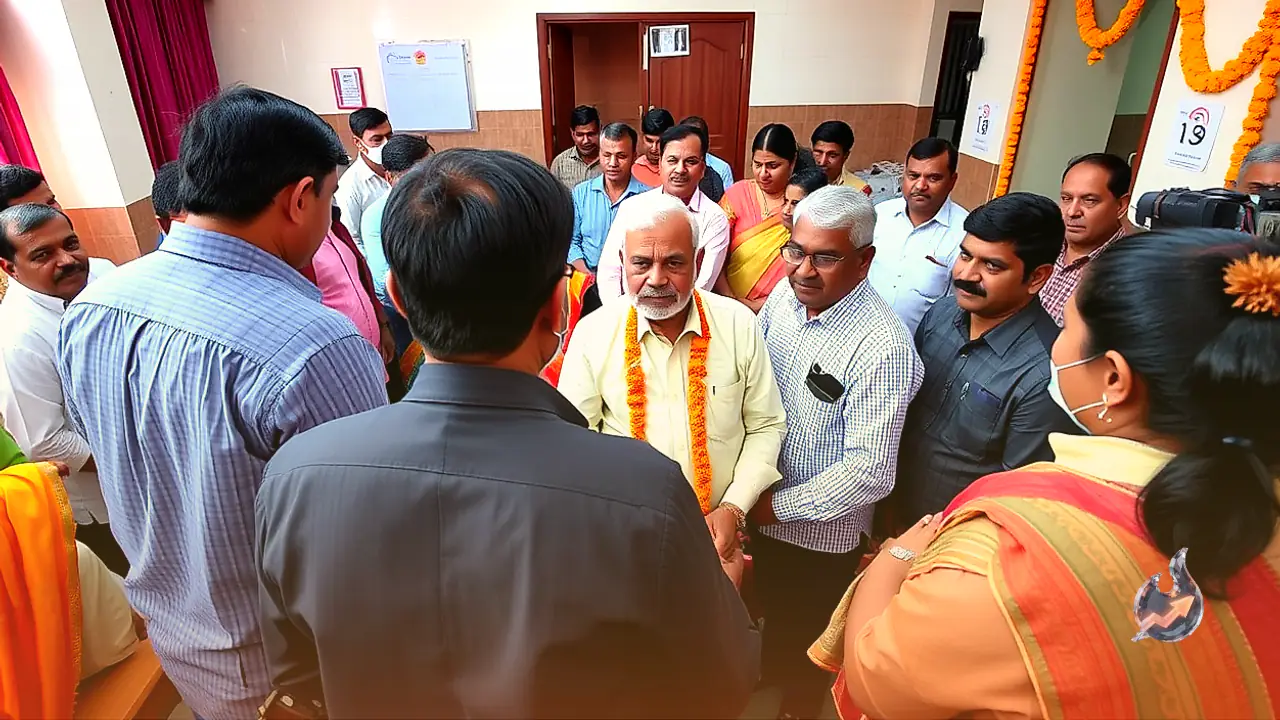
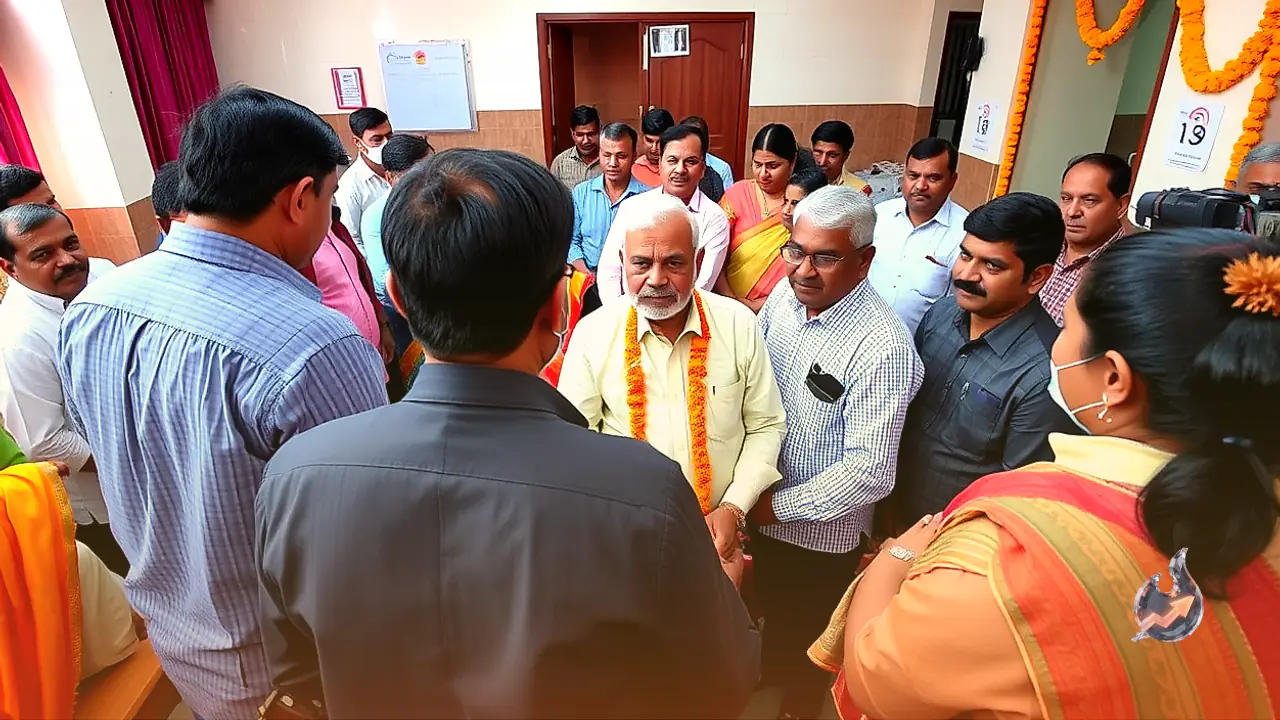
To capture demands from ground personnel across diverse ministries and geographies, the panel has undertaken extensive regional sittings. Previous hearings have taken place across several territories and administrative hubs, including Delhi, Uttar Pradesh, Odisha, Ladakh, and Bengaluru.
The next series of consultative meetings is scheduled in Mumbai on October 22 and 23. During these discussions, the commission will examine representations touching on the pay matrix, appropriate fitment factors, revised salary bands, standard allowances, the proposed absorption of dearness allowance into basic pay, arrears payouts, and promotional incentives.
Reach Across Over 1 Crore Beneficiaries
The eventual decisions under the 8th CPC will directly affect an extensive public sector demographic. Projections indicate that more than 1 crore individuals will be covered by the revised pay structures, consisting of approximately 50 lakh serving central government personnel alongside nearly 65 lakh pensioners and retirees. This massive footprint makes the panel's fiscal and structural balancing act crucial.
Demands to Merge Dearness Allowance and Finance Ministry Stand
A longstanding issue raised by staff federations involves merging existing dearness allowance into the basic pay scale. Union representatives argue that absorbing the DA accumulated under the 7th Pay Commission into basic pay would expand the compensation baseline, automatically elevating tied allowances and post-retirement payouts.
At present, no official approval or policy move exists to implement such a merger. In December last year, the Finance Ministry clarified that no proposal to merge the current DA with basic pay was under consideration. Currently, DA continues to be revised periodically according to movements in the All India Consumer Price Index for Industrial Workers (AICPI-IW). Separately, employees are also awaiting the formal notification for the July 2026 DA and dearness relief (DR) hike this month, moving upward from the existing 60% mark.
Minimum Basic Pay Proposals Submitted by Staff Federations
Under the prevailing 7th Pay Commission standards, the baseline minimum salary stands at Rs 18,000 per month. Various employee bodies have presented divergent demands for resetting this benchmark under the 8th CPC
- National Council - Joint Consultative Machinery (NC-JCM) and All India Defence Employees Federation (AIDEF): Both entities have pitched for raising minimum basic pay to Rs 69,000 per month.
- Maharashtra Old Pension Organisation: This group has submitted a proposal demanding a minimum pay level of Rs 65,000.
- Indian Railways Technical Supervisors Association (IRTSA): The railway supervisors body has put forward a recommendation of Rs 52,600.
- Bharatiya Pratiraksha Mazdoor Sangh (BPMS): The highest submission recorded so far comes from BPMS, which has sought a minimum base wage of Rs 72,000 per month.
Fitment Factor Proposals Ranging from 1.92 to 4
The scale of actual wage and pension adjustments will be governed primarily by the fitment factor, the common multiplier applied to existing basic compensation. Multiple stakeholders have floated differing targets
- Conservative Base: A cautious baseline recommendation sits at a 1.92 fitment factor.
- All India Trade Union Congress (AITUC): AITUC has recommended a multiplier of 3.
- Jammu & Kashmir Employee Forum: This body has advocated for a 3.05 fitment factor.
- Federation of National Postal Organisations (FNPO): The postal union has pitched for raising the multiplier to 3.25.
- Jammu and Kashmir Employees Coordination Committee: Their representation suggested a bracket between 2.86 and 3.68.
- IRTSA Submissions: IRTSA has suggested numbers across 2.92, 3.50, and 3.80.
- NC-JCM and IRTSA Benchmark: Both organizations also regard 3.83 as an appropriate target multiplier.
- BPMS Peak Request: BPMS has registered the steepest demand, seeking a fitment factor of 4 for the 8th CPC.
Effective Dates, Arrears Calculations, and Implementation Horizon
The calendar date from which the new pay terms become effective will determine the quantum of back pay or arrears distributed to staff. When the 7th Pay Commission was approved, its provisions were given retrospective effect from January 1, 2016, with resultant arrears disbursed during the 2016-17 financial year.
Following India's standard decennial cycle for central pay commissions, January 1, 2026 represents the widely anticipated effective date for the 8th CPC. However, the final effective date, the release of back pay, and operational timelines remain subject to executive determination. Given that the panel's formal recommendations are due around May 2027, practical rollout will require subsequent bureaucratic appraisal and cabinet approvals, typically consuming another two to three years. Consequently, complete implementation of the 8th Pay Commission is likely to materialize in either 2028 or 2029.