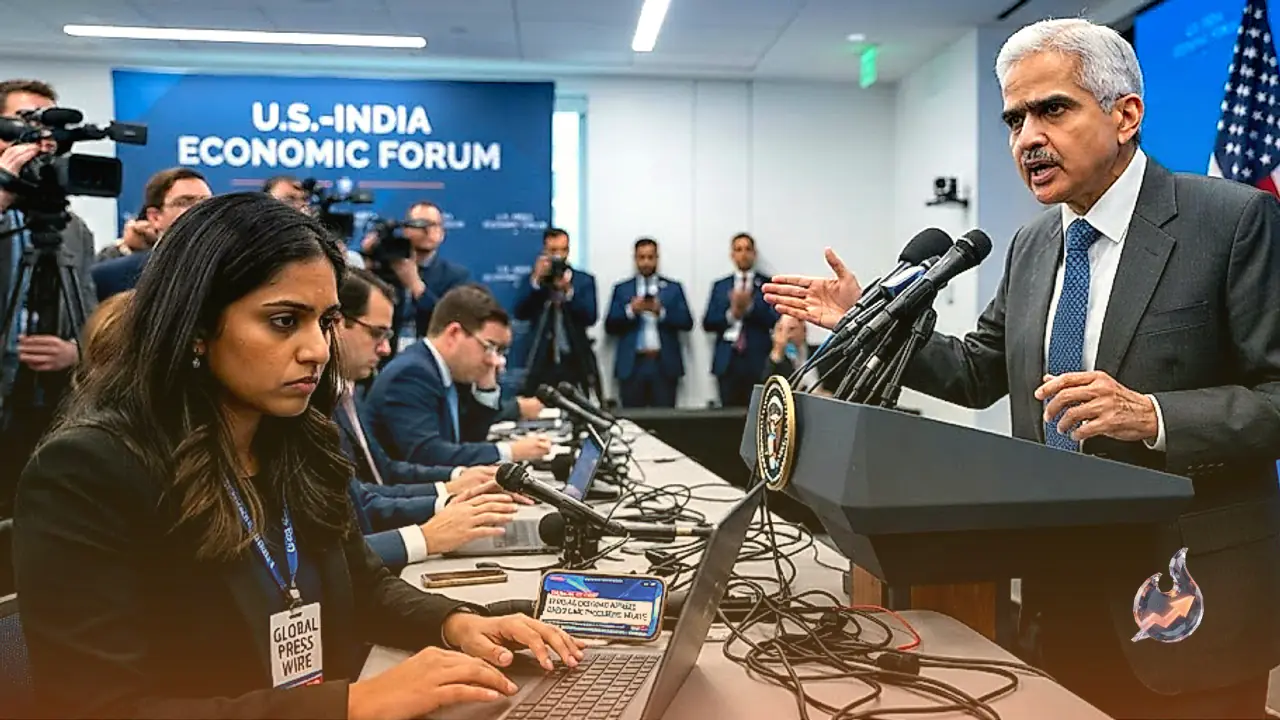























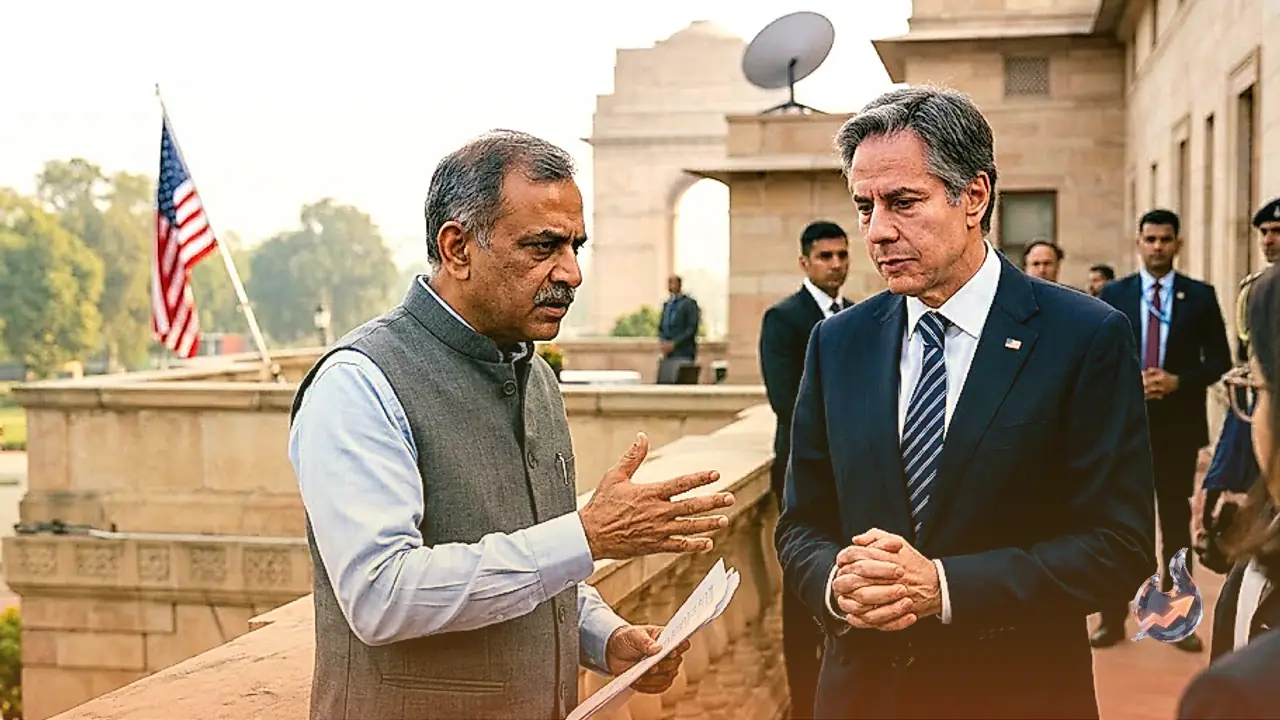

Despite deepening strategic cooperation across diplomatic and security spheres, the economic partnership between India and the United States has run into a complex web of hurdles across three vital fronts. Bilateral trade negotiations aimed at finalizing a long-term pact have reached an impasse where further concessions appear narrow. Concurrently, a high-profile confrontation has erupted over satellite internet clearances, with Elon Musk questioning domestic regulatory bottlenecks in India. Compounding these strains, the United States has enacted suspensions that prevent top information technology firms from filing permanent residency applications for foreign staff. While these issues stem from distinct regulatory domains and show no evidence of being a coordinated pressure tactic, their simultaneous emergence casts a shadow of uncertainty over bilateral commerce.
Trade Agreement Deadlock and Persistent Tariff Disputes
The most visible friction point is the stalled bilateral trade pact. On October 5, Finance Minister Nirmala Sitharaman observed that discussions had hit a plateau, underscoring that room for additional concessions on either side was minimal. US Trade Representative Jamieson Greer similarly indicated that a finalized agreement was not on the immediate horizon. Although the two governments established an initial framework in February 2026, successfully lowering punitive US duties on the majority of Indian exports from 50% down to 18%, concluding a binding and comprehensive accord has remained out of reach.
The differences between the two capitals run much deeper than baseline tariff percentages. The United States has pressed India to scale down its substantial intake of Russian crude oil and take concrete steps to balance the bilateral trade surplus. In return, Indian negotiators are seeking more favorable tariff treatment for domestic exporters while strictly shielding vulnerable domestic sectors, particularly agriculture and dairy, from unrestricted foreign competition.
Legislative moves in Washington have introduced fresh volatility into these calculations. A recently enacted US statute authorizes tariffs reaching up to 100% on goods originating from nations that purchase significant quantities of Russian oil. Concurrently, an independent investigation into excess manufacturing capacity could potentially subject Indian exporters to additional protective duties.
The commercial values involved are enormous. Between April and August 2026, Indian merchandise shipments to the United States reached $42.79 billion, expanding from $40.39 billion recorded during the equivalent months of the previous year. Furthermore, India achieved an annual trade surplus of nearly $34 billion with the United States throughout the 2025-26 fiscal cycle. Without a finalized pact, Indian manufacturers face unpredictability regarding future customs duties, contract pricing, and commercial competitiveness. Steep duties risk inflating shelf prices for American consumers and could disrupt corporate supply chains and capital allocation plans.
The Regulatory Clash Over Satellite Broadband Entry
Against the backdrop of the trade impasse, foreign market access has become the subject of an intense public debate centered on telecommunications. Elon Musk has openly claimed that entrenched domestic corporate interests are maneuvering behind the scenes to keep Starlink out of the Indian market in order to defend existing revenue streams. On October 8, Musk sharpened the rhetoric when he wrote on X, questioning whether Reliance Industries chairman Mukesh Ambani serves as the real boss of India.
Musk argued that Starlink holds operational permits in more than 165 countries and has dedicated five years to adhering to every regulatory condition set by Indian authorities, questioning why final clearances remain stalled. Operated by SpaceX, Starlink plans to deliver low-latency satellite internet across underserved and remote regions in India. While the enterprise has secured an initial operating permit, it is still waiting for conclusive clearances, notably national security vetting and formal spectrum frequency assignments.
India's telecommunications ministry has categorically dismissed claims of preferential treatment or regulatory discrimination. Officials affirmed that Starlink, alongside satellite ventures connected to Reliance Jio and Bharti Airtel, is progressing through comparable stages of regulatory evaluation. All participating entities must fully satisfy strict statutory security and data compliance mandates before commercial operations can begin.
While the dispute does not prove that domestic industrial groups engineered delays, it has subjected India's commercial oversight framework to global scrutiny. Satellite broadband holds transformative promise for remote villages and digital services, yet the administration must balance these benefits against national security protocols, transparent spectrum management, and balanced market competition. Coming at a time when trade negotiations are already difficult, public complaints from prominent American executives amplify broader corporate concerns over market entry.
Green Card Processing Suspensions Hit IT Giants
The third shock directly impacts the software sector and thousands of highly skilled Indian engineers residing in the United States. On October 8, the US government announced temporary suspensions barring several prominent technology corporations from submitting applications under the Permanent Labor Certification Programme, commonly known as PERM. The administrative action encompasses leading Indian-origin and global service providers, including Tata Consultancy Services, Infosys, Wipro, HCL, Cognizant, and Capgemini, as well as American giants Microsoft and Adobe under related investigations.
US regulatory agencies attributed the sanctions to ongoing probes into allegations that foreign technical personnel were hired or deployed in ways that disadvantaged qualified American job seekers. The PERM process represents the foundational stage of employment-based immigrant visa petitions. Employers are legally obligated to prove through recruitment tests that no capable, willing, and qualified domestic workers were available for the specified positions, and that foreign recruitment does not depress prevailing local wage standards.
While these administrative measures remain active, targeted corporations are barred from initiating new permanent residency filings for their workforce. Although administrative inquiries do not represent definitive legal proof of wrongdoing by every cited company or sponsored employee, the immediate operational disruption is undeniable. Indian professionals already face decade-long waiting lines due to statutory annual limits on employment-based immigrant visas.
The suspension threatens to create acute problems for H-1B visa holders nearing the statutory six-year limit, whose ability to secure multi-year extensions often hinges on active or approved labor certifications. Although existing H-1B visas are not automatically revoked by these orders, the blockage disrupts the orderly progression toward permanent residency. For enterprise technology companies, the curbs cloud workforce retention, long-range talent deployment, and operating strategies within their most lucrative market.
Managing Competing Priorities in a Strategic Partnership
Each of these three developments operates within a different policy realm. Trade discussions determine the financial duties and access terms for Indian manufactured goods and commodities in America. The Starlink dispute concerns the compliance criteria and speed with which foreign tech ventures can set up shop in India. The immigration restrictions govern how global IT enterprises recruit and retain international talent within the United States.
Exporters in India require tariff clarity and policy predictability. Multinationals entering India demand efficient and transparent regulatory pathways. Technology enterprises require predictable immigration rules to run cross-border services, while their professional workforce seeks stability for career and family planning. Although bilateral collaboration in defence manufacturing, clean energy transition, and advanced technology research continues to advance, momentum in security domains cannot automatically erase operational commercial friction.
For policymakers in New Delhi, the imperative lies in safeguarding agrarian livelihoods and national security without jeopardizing access to America's consumer market. For Washington, the priority involves addressing domestic labor protections and trade deficits without causing systemic shocks to international business operations. None of these impasses is insurmountable; negotiations can be revived, regulatory compliance can be finalized, and immigration restrictions may be reviewed. The enduring strength of the bilateral partnership will depend on the capacity of both governments to untangle these commercial disputes before prolonged friction damages the economic foundations they have carefully constructed.