






















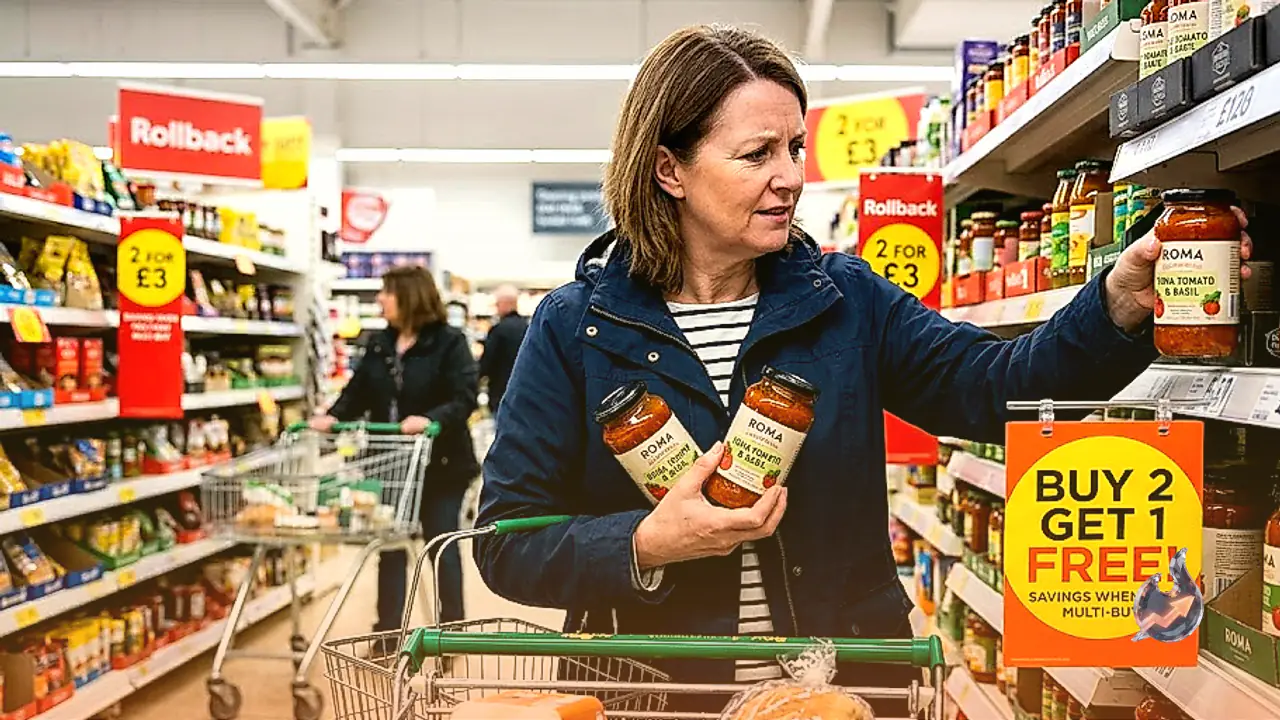

Whether you are browsing through online shopping applications or walking down the aisles of a local supermarket, you are bound to encounter flashy banners screaming "Buy 2 Get 1 Free." This classic retail promotional strategy immediately triggers a psychological urge to grab the deal, promising an effortless freebie. However, beneath the tempting "free" label lies a sophisticated marketing tactic designed to increase transaction sizes and clear old stock. Consumers often end up spending significantly more than they intended, believing they have outsmarted the retailer when they have actually overspent.
The Psychology Behind the Freebie Trap
Retailers understand human psychology deeply, particularly the concept of "zero price effect," where the word "free" overrides rational economic decision-making. When people see a "Buy 2 Get 1 Free" deal, their brain focuses entirely on the complimentary item rather than the cost of the first two. This leads to impulse buying. Instead of evaluating if they actually need three units of a product, shoppers focus on the perceived saving of 33 percent per unit. In reality, you are not saving money unless you had already planned to purchase all three items at full price. If you only needed one, buying two to get the third free means you have doubled your planned expenditure.
When Does the Offer Truly Work in Your Favor?
Despite the marketing traps, these multi-buy deals are not always bad. They can be highly beneficial under specific circumstances, particularly for non-perishable daily essentials. Items that you use consistently, such as soaps, toothpaste, detergents, shampoo, biscuits, tea, or coffee, are excellent candidates for these offers.
Let us break down the math behind a genuine saving. Suppose a single packet of biscuits costs 100 rupees. Purchasing three individually over time would cost 300 rupees. Under a "Buy 2 Get 1 Free" promotion, you pay 200 rupees for two packets and receive the third without extra charge. This effectively reduces the price of each packet to approximately 67 rupees, representing a clear 33 percent discount. If your household regularly consumes this brand and the products have a long shelf life, this is a highly rational and cost-effective purchase.
The Hidden Pitfalls of Multi-Buy Deals
While the math looks clean on paper, real-world shopping is rarely so straightforward. Retailers employ several strategies that can turn this discount into a financial loss for the consumer
- Near-Expiry Stock Clearance: Often, items placed on such heavy promotions are nearing their expiration dates or belong to slow-moving inventory. If you buy three packs of a perishable item and cannot consume them before they spoil, the "free" item and part of your paid items end up in the trash, resulting in pure waste.
- Artificial Price Inflation: It is not uncommon for retail stores to quietly increase the base price of individual items before launching a "Buy 2 Get 1 Free" campaign. A product normally priced at 80 rupees might be marked up to 100 rupees for the duration of the offer, making the actual discount far less than advertised.
- The Incremental Spend Trap: The primary goal of this promotion is to increase the average order value. If a customer enters a store intending to spend 100 rupees on one bottle of handwash, but walks out spending 200 rupees to get a third one free, the retailer has successfully doubled their revenue from that single customer. The shopper has spent an extra 100 rupees of liquid cash that they did not need to spend today.
Smart Shopping Strategies to Avoid the Trap
To ensure you are actually saving money and not just falling for clever marketing, adopt these critical checklist habits before checking out
- Verify the Unit Price Across Platforms: Before committing to a bulk purchase, check the price of the same item on competing online applications or nearby local shops. Sometimes, a competitor might be selling the single item at a flat 35 percent discount, which is a better deal than buying three.
- Assess Your Actual Needs: Ask yourself honestly if you would buy three of these items if there were no offer. If the answer is no, walk away.
- Check Expiry and Storage: Always look at the manufacturing and expiration dates. Ensure you have the physical space to store bulk items and that they will remain fresh until consumed.
- Analyze Historical Pricing: If shopping online, utilize price tracker tools or check older purchase history to see if the base price has been inflated to make the deal look attractive.
In conclusion, "Buy 2 Get 1 Free" promotions are neither inherently good nor bad. They are simply tools. When used mindfully for essential, long-lasting products, they serve as excellent budgeting tools. However, when triggered by impulse and the allure of "free" things, they become an unnecessary drain on your monthly budget.