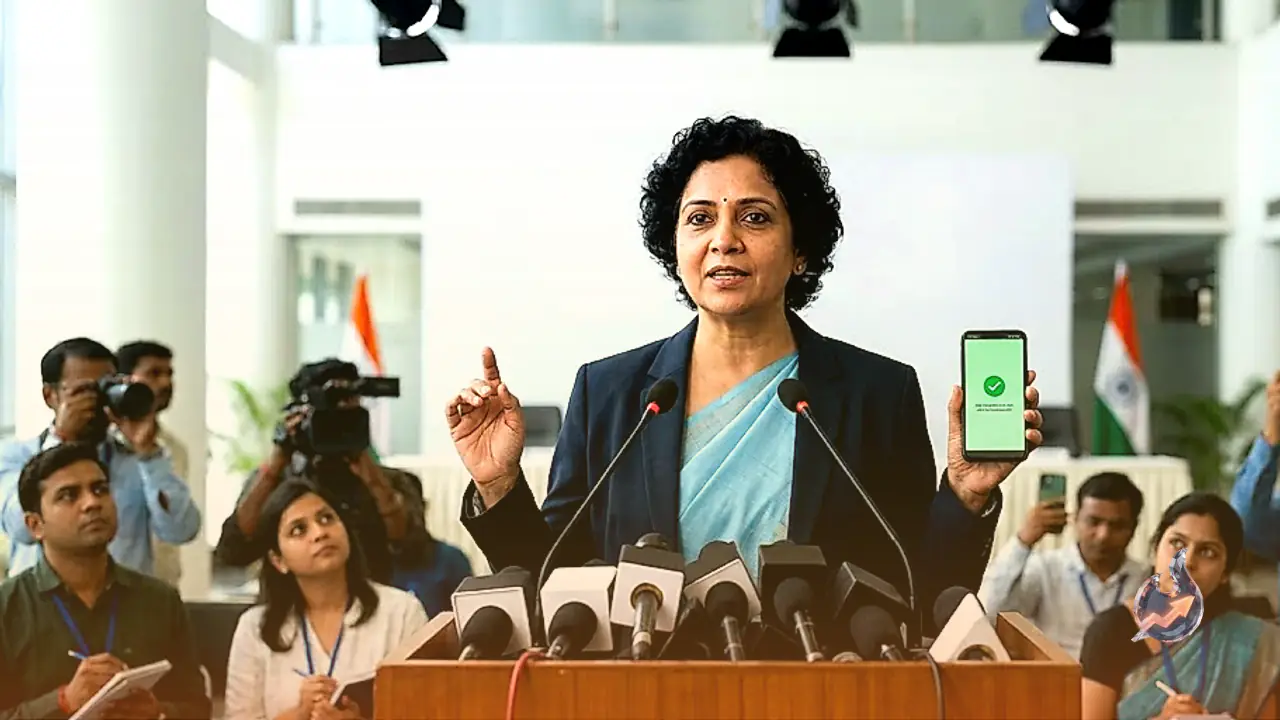

























Indian professionals working on Skilled Worker visas are facing increasingly stringent criteria for obtaining Indefinite Leave to Remain (ILR). Achieving permanent residency is contingent upon completing five years of continuous residence within the United Kingdom. Given that ILR effectively removes most immigration controls and serves as a vital gateway to future British citizenship, many applicants begin their strategic planning months ahead of their current visa expiration.
Salary and Financial Requirements
For Indian workers in 2026, the salary threshold stands out as a significant hurdle. Since April 2024, the minimum salary levels for new applicants have been elevated. While those already following the settlement route often benefit from specific transitional rules, they are still obligated to meet the minimum going rate associated with their specific occupation code. Furthermore, ILR involves significant financial planning for Indian families. The application fee per individual is substantial and tends to rise annually. Because many employers have ceased covering these settlement costs, applicants must rely on personal savings, while some may choose to pay for priority processing to expedite the outcome.
Residency and Language Proficiency
Continuous residence remains a core component of the ILR assessment. Applicants must ensure their time spent outside the UK does not exceed 180 days within any rolling 12-month period. This limit encompasses both personal vacations and business-related travel throughout the five-year qualifying period. Applications can be submitted up to 28 days prior to the completion of the residence requirement. Additionally, English language proficiency is mandatory, requiring a B1 level or higher. Applicants can also satisfy this requirement by presenting a degree obtained from a UK institution, which complements the salary-based occupation benchmarks.
The Final Steps to Settlement
Beyond residency and income, applicants are required to pass the Life in the UK test. This computer-based examination evaluates knowledge of British history, cultural traditions, and the national legal system. Once an applicant successfully secures ILR status, many choose to wait twelve months before pursuing naturalization as a British citizen. This subsequent step is crucial for gaining full voting rights and ensuring ongoing access to public services.