






















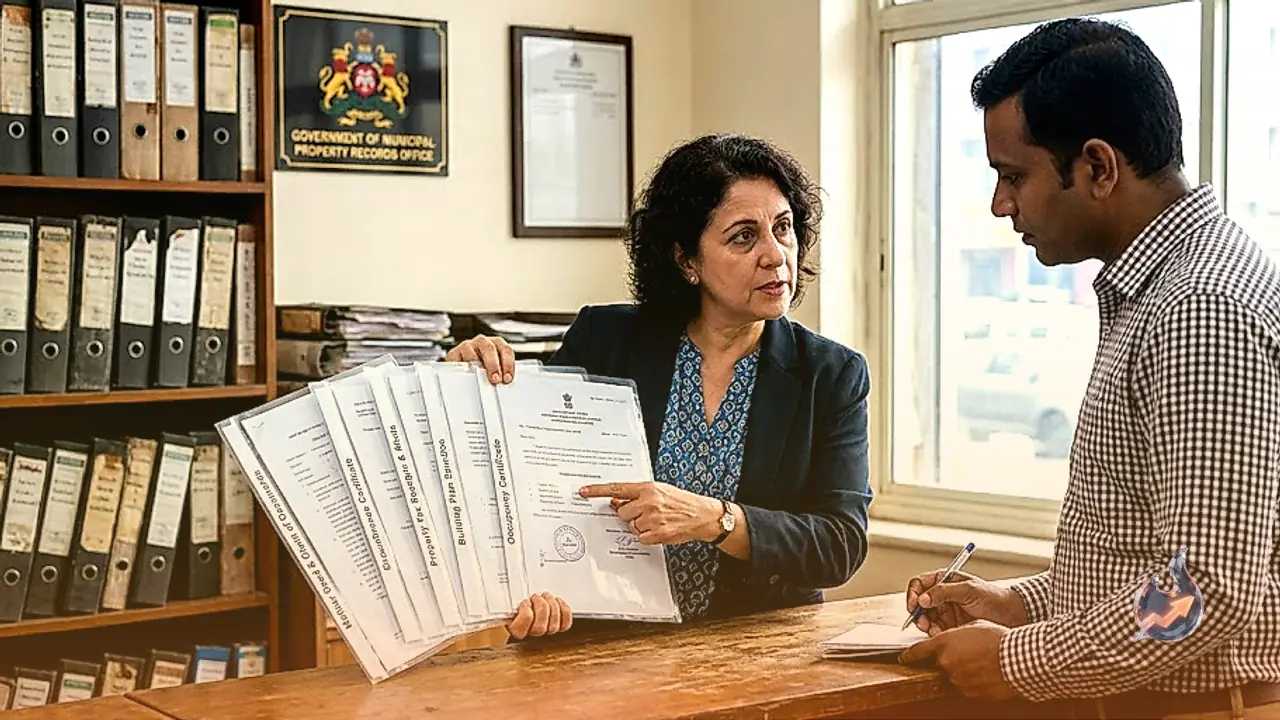

When individuals purchase a new flat, plot, or house and complete the registry, they often assume that complete legal ownership has been secured. However, property laws establish that possessing a sale deed alone does not guarantee foolproof title rights. A registry or sale deed functions primarily as a legal document verifying that the seller agreed to transfer the asset after receiving the agreed amount. To achieve undisputed legal ownership and protect against fraud, several additional mandatory documents must be secured alongside the sale deed.
1. Mutation Certificate (Dakhil Kharij)
Once the registry is finalized, the immediate step is applying for property mutation, locally known as Dakhil Kharij. This administrative procedure updates official records within the municipal corporation or revenue department, replacing the former owner's name with the new buyer's name. If mutation is neglected, the previous owner remains registered in government databases, creating risks where they could fraudulently obtain bank loans against the property or deceive the buyer.
2. Possession Letter
A possession letter issued by the builder or previous owner serves as written confirmation that physical custody of the property has officially been handed over to the buyer. Holding legal paperwork without a physical possession letter leaves ownership claims incomplete in the eyes of the law.
3. Encumbrance Certificate
An encumbrance certificate validates that the property being acquired is entirely clear of pre-existing financial or legal liabilities. It confirms that there are no active bank mortgages, unpaid dues, or pending litigation tied to the real estate unit.
4. Property Tax Receipts
Following registration and mutation, buyers must establish a property tax account under their own name with the local municipal authority. Timely payment of property tax and maintaining official payment receipts acts as powerful supporting evidence in judicial proceedings to substantiate rightful ownership.
5. No Objection Certificate (NOC) and Utility Connection Transfers
For buyers acquiring housing in gated societies or apartment complexes, obtaining an NOC from the Residents' Welfare Association (RWA) or builder is necessary. Additionally, buyers should immediately transfer utility connections, such as electricity and water meters, to their own name to solidify control over the property.