














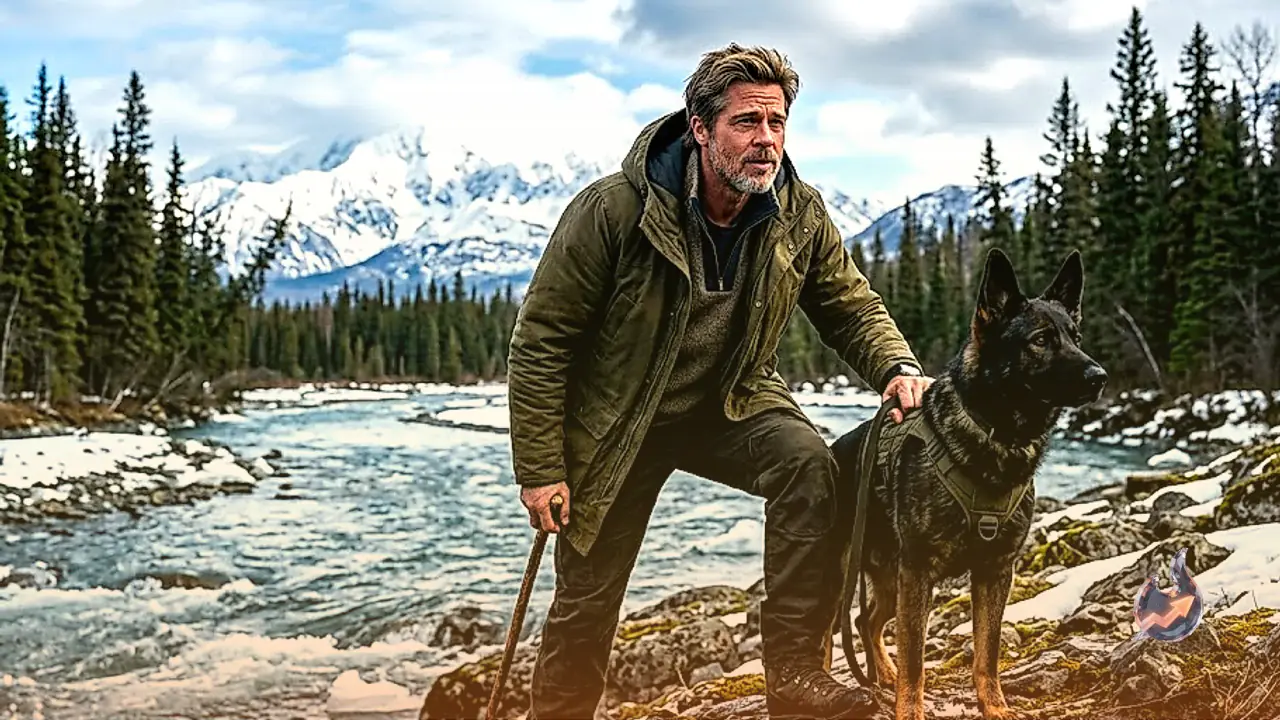

In this comprehensive Heart Of The Beast review, the survival drama directed by David Ayer demonstrates how deeply an audience can care about the fate of an animal. From the opening moments, the filmmaker intentionally reassures viewers that the canine protagonist will endure the ordeal ahead, showing him safe and sound before the timeline rewinds. Yet, over the subsequent 100 minutes of run time, the narrative maintains such intense suspense that viewers continually second-guess whether that reassurance was entirely genuine.
A Dangerous Descent Into the Alaskan Wilderness
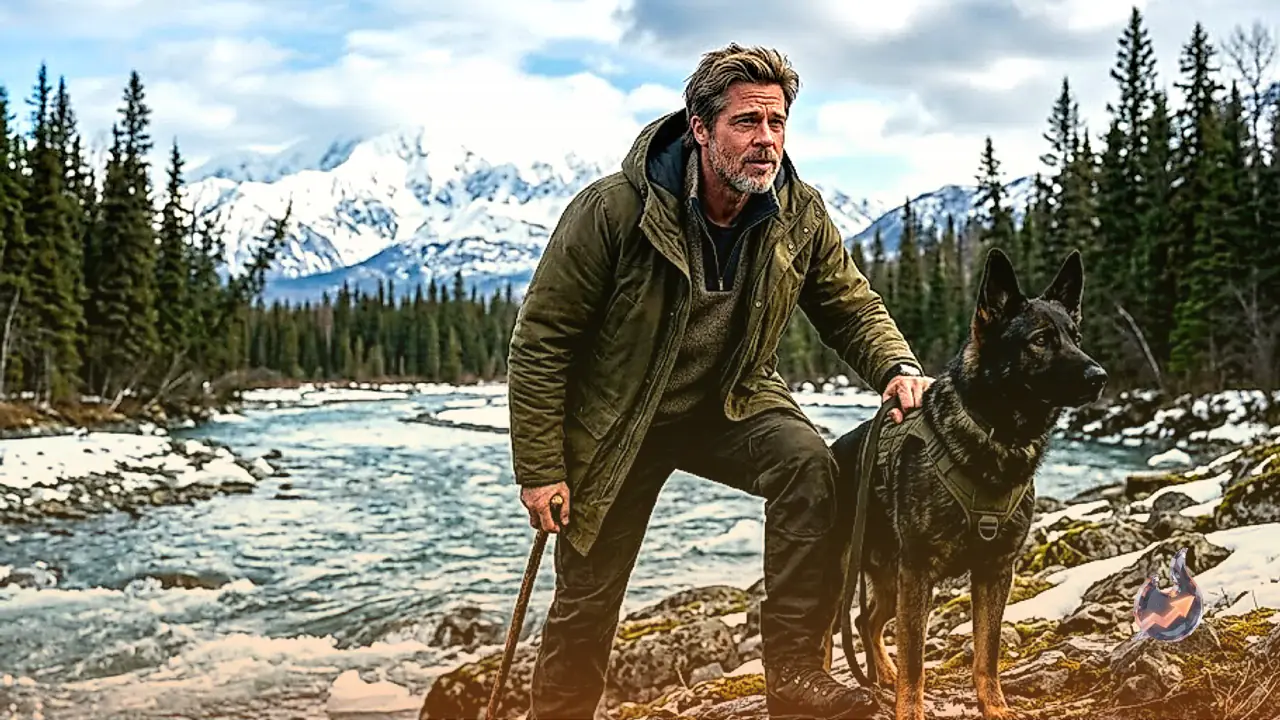
The story opens on an isolated stretch of road where Odin, a lone German Shepherd played by a dog named Uber, is approached by a van. As the vehicle's driver steps out to greet the animal, the plot jumps back one week into the past. Viewers see Odin seated inside the cockpit of a light aircraft beside his owner, James, portrayed by Brad Pitt. James is piloting them toward a remote camping excursion nestled deep in the Alaskan mountains. Both man and canine are veterans of such excursions and well-accustomed to the terrain. James is a retired US Army Special Forces officer seeking peace and quiet away from society, carrying physical and emotional scars from his military tenure. Odin is also retired from military duty, equipped with a prosthetic limb on one leg and coping with severe nightmares caused by post-traumatic stress disorder.
Their close bond is put to the ultimate test when James suffers a sudden heart attack while attempting to fly home. The medical emergency forces a catastrophic crash landing far from any settlement or rescue team. Stranded amidst freezing elements and rugged territory, the two damaged veterans must rely completely on one another if either hopes to survive.
Action and Mutual Devotion in Equal Measure
From that initial crash, the progression of the plot follows a familiar survival structure. James and Odin confront relentless physical threats, pulling each other back from turbulent whitewater rivers, warding off aggressive wild predators, and enduring precarious falls down rugged terrain. Even though these hurdles follow established genre patterns, they remain deeply compelling because the emotional payoff feels genuine and hard-won.
David Ayer brings his considerable experience with gritty, high-stakes action projects, including past collaborations involving Jason Statham, into this snowy wilderness setting. While delivering sharp pacing and pulse-pounding action beats, he demonstrates a keen sensitivity toward emotional storytelling. The screenplay, written by Cameron Alexander, thoughtfully balances heroic acts between both leads rather than making the dog merely a passive follower. When James collapses during the flight, Odin actively attempts to revive his master. Following the impact of the crash, James tenderly dresses Odin's injuries and tends to his recovery. The dynamic reflects an authentic two-way partnership founded on mutual devotion.
Strong Performances and Tension in a Two-Hander
Aside from a couple of brief appearances, including J.K. Simmons playing a fellow wilderness traveller whose presence helps deliver exposition, the production functions entirely as a tight two-hander. Brad Pitt establishes an authentic dynamic on screen, delivering emotionally resonant work despite sharing most of his scenes only with an animal partner. The canine performer Uber delivers an expressive performance, enhanced by sharp editing choices that convey purposeful dog cognition.
Ayer occasionally overextends when giving human traits to the animal, particularly in an awkward visual sequence showing the dog's traumatic nightmares, but such moments are rare. For the vast majority of the picture, the balance between natural animal charm and high-stakes drama works smoothly. Even with the outcome revealed right at the start, the narrative suspense keeps viewers anxious about every hazard along the trail. For anyone with a soft spot for animals, the emotional journey is powerful enough to demand a pocketful of tissues before the credits roll.