



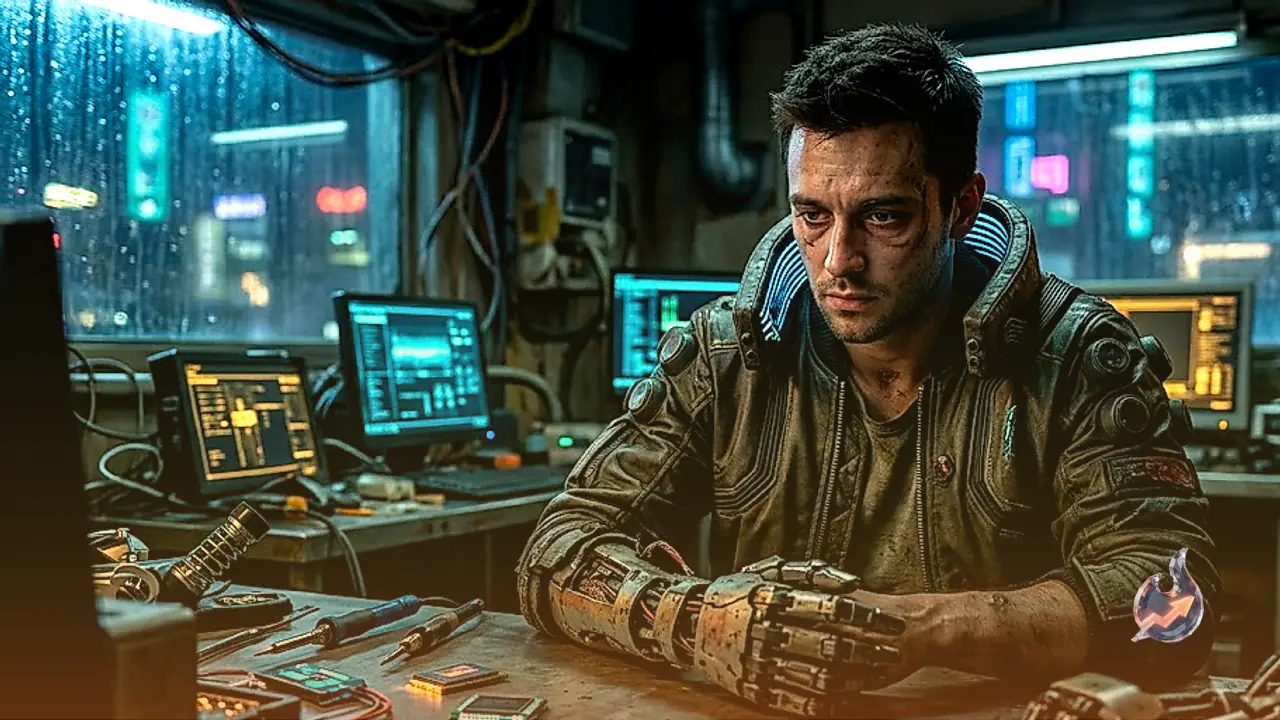

















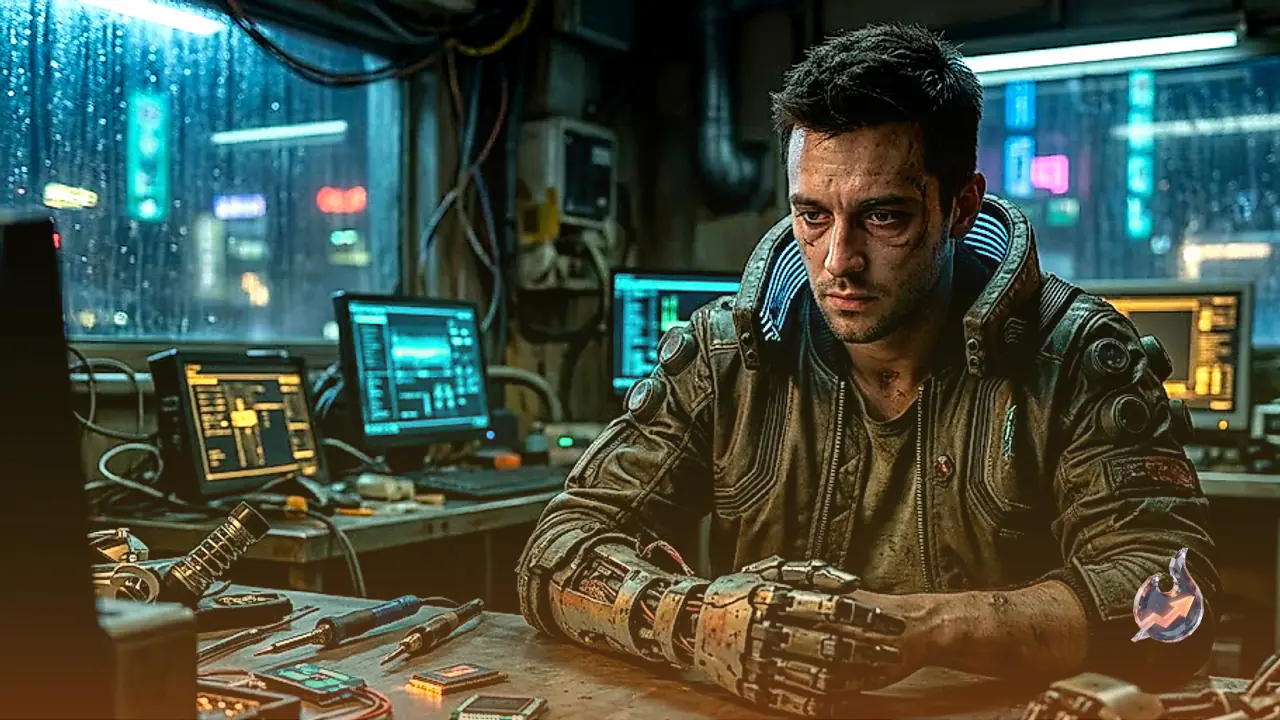

Delivering an electrifying continuation of an iconic sci-fi universe, this comprehensive Cyberpunk: Edgerunners 2 review examines how Studio Trigger and CD Projekt Red continue to set gold standards for gaming adaptations. The intellectual property originally took shape as a tabletop RPG crafted by Mike Pondsmith back in 1988, later translated into a sprawling open-world video game. When the Japanese animation house unveiled the anime's debut season in 2022, it struck gold by combining kinetic action, intense street-level grime, and genuine emotional resonance. Returning for a sophomore venture, the series plunges deeper into the electric glow and grim reality of Night City's criminal districts, making it an essential watch for animation fans.
Fresh Perspectives in a Hardened Metropolis
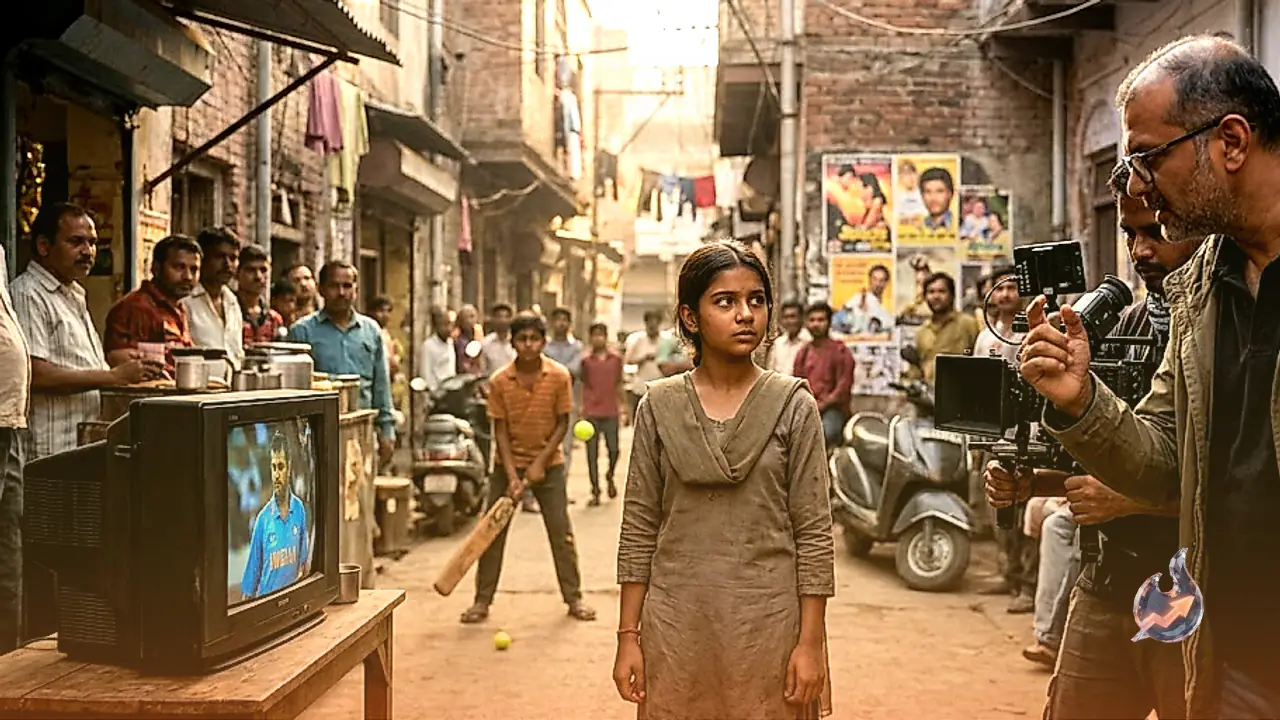
Opening with blazing machine guns and introducing a fresh squad of heavily modified operatives, Season 2 immediately cements its individual style. The audience enters this volatile realm alongside Roman, a 12-year-old aspiring filmmaker voiced by Valeria Rodriguez in the English dub. Roman's trajectory shifts irrevocably when his handheld camera captures a felon succumbing to cyberpsychosis, a devastating mental breakdown triggered by excessive cybernetic modifications.
Following this fateful recording, the young boy becomes tangled with a gang whose members actively replace their flesh and bone with synthetic mechanical upgrades. Mirroring the storytelling finesse of the previous season, the narrative patiently crafts emotional depth for these erratic figures. While their chaotic lifestyle leaves wreckage in its wake, seeing the crew through Roman's earnest, youthful perspective makes it virtually impossible not to root for their survival.
The Psychological Cost of Mechanical Enhancement
Where the inaugural run felt like an adrenaline-fueled rush of power, this chapter moves against the current by dissecting how the relentless pursuit of strength dismantles an individual's psyche and anatomy. The narrative unfolds as a more sobering, mentally demanding journey rather than simple escapism.
The writing showcases distinct creative maturity. While extreme street-level carnage, blazing shootouts, and brutal explosions remain signature staples of the setting, the season willingly embraces quiet interludes. These breathers permit the characters to wrestle with the complex philosophy behind identity, body augmentation, and the heavy toll extracted by personal vendettas. During the intense firefights, as one standout observation notes, there are more than enough cars blowing up and exploding heads to satisfy. That dynamic pacing makes the emotional beats hit far harder.
Daring Visual Feats by Studio Trigger
Studio Trigger once again exhibits unmatched artistic brilliance across the entire production. Every frame overflows with pulsating neon signs and bustling urban avenues, giving the metropolis a dense atmosphere that seems ready to shatter the edges of the display. The production pushes boundaries even further by illustrating psychological distress through abstract visual distortions.
Bending polygons and splashing untamed colour palettes across chaotic sequences, the animators pull viewers directly into characters' fractured psyches as they lose their grip on reality. Although this run cannot rely on the sheer shock factor that defined the 2022 release, the team has produced an exceptional thematic counterpart rather than a lazy sequel. Trading mindless noise for poignant storytelling, the series delivers a masterclass that should wake up the wider video-game adaptation landscape.