




















Leviticus review reveals an Australian horror debut by writer-director Adrian Chiarella that immediately sparks curiosity with its enigmatic Biblical title and acknowledged debt to It Follows. While it might sound derivative on paper, the fears bubbling beneath its surface are so remarkably vivid that the feature easily transcends its cinematic inspirations. It offers a gripping look at identity, repression, and supernatural terror in a restrictive environment.
Characters and Rural Isolation
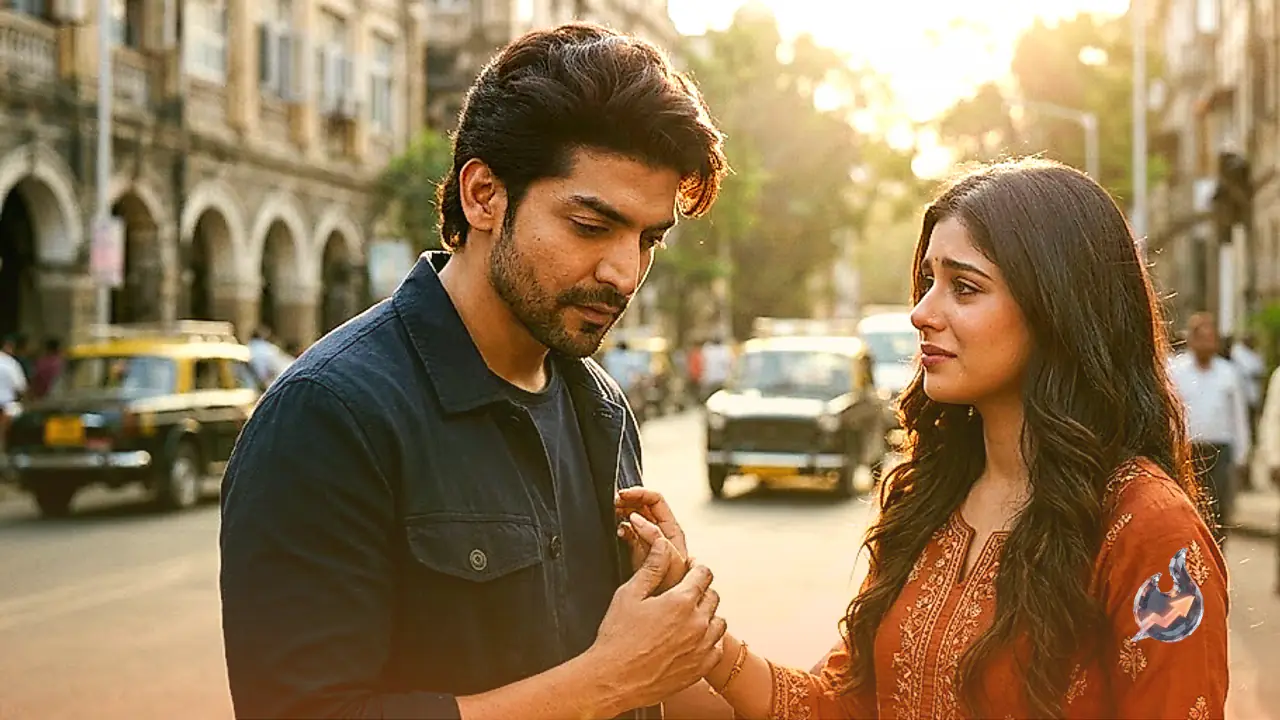
The story follows Naim, played by Joe Bird, along with love interest Ryan, played by Stacy Clausen, and Hunter, played by Jeremy Blewitt, whom Ryan also messes around with. They are ordinary kids trying hard to understand their sexualities, but they live in a god-fearing backwater where they are forbidden from simply being themselves. Although Adrian Chiarella grew up in Sydney, he demonstrates an acute feel for the textures and strictures of rural town life, capturing the empty arcades, derelict factories, and the prevailing sense that young people have nothing to do except fight, have sex, or leave.
Biblical Precedents and Demonic Stalkers
The title refers to the Bible chapter that conservative Christians believe forbids homosexuality, and the ritual that Naim, Ryan, and Hunter are forced to endure is genuinely horrifying. Instead of finding themselves saved from their circumstances, they are stalked by demons who adopt the form of their loved ones, attacking them at school, at work, or anywhere they find themselves alone. The thematic and visual debt to It Follows is so strong it may as well be a sequel that David Robert Mitchell could genuinely be proud of. Bolstered by a gorgeous musical score and luminous cinematography, Chiarella captures the exhilarating flare of first love alongside memorable scares, such as a sequence where Naim must defend himself against an interloper in a tense, violent escalation.
Subtext and Real-World Dangers
At times, the subtext that openly loving someone can present the greatest danger for LGBTQ+ people is stretched almost to breaking point. Yet, Chiarella never lets the audience forget that the underlying fight is entirely real and just as terrifying as anything motion pictures could invent. What ultimately emerges is a valuable fright flick that successfully balances a poignant social message with striking and visceral artistic execution.