





















In recent cinematic trends, integrating indigenous folklore, regional rituals, and supernatural lore into mainstream filmmaking has gained notable traction. Stepping into this space, director Deepak Kumar Mishra alongside writer Arunabh Kumar presents a fresh theatrical attempt titled 'The Vvaan'. In this The Vvaan review (2026), we assess whether this ambitious mixture of devotion, myth, and eerie mystery successfully translates to the silver screen. On paper, the concept holds undeniable promise, weaving together the spiritual solemnity of Chhath Puja, a rural backdrop in Bihar, ancestral dynastic secrets, and subtle shades of horror-comedy. Yet, when tasked with turning these distinct story elements into a cohesive cinematic experience, the production buckles under the excessive weight of its own ambitions.
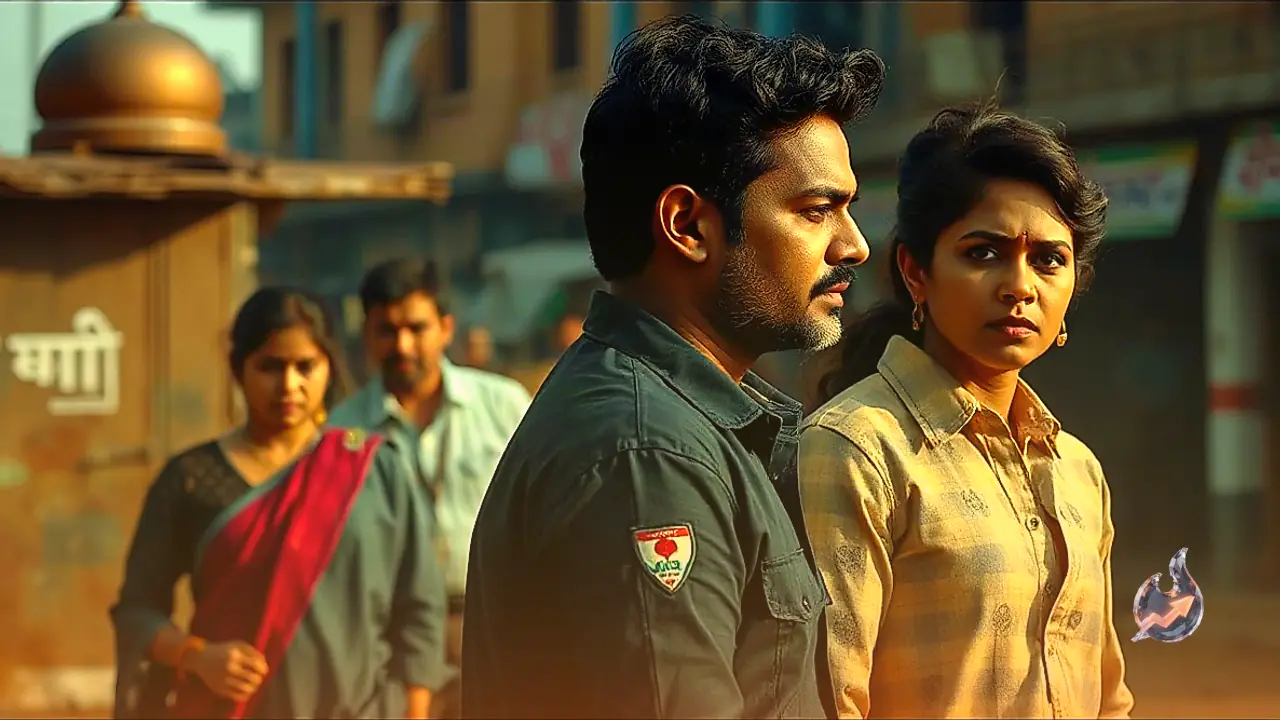
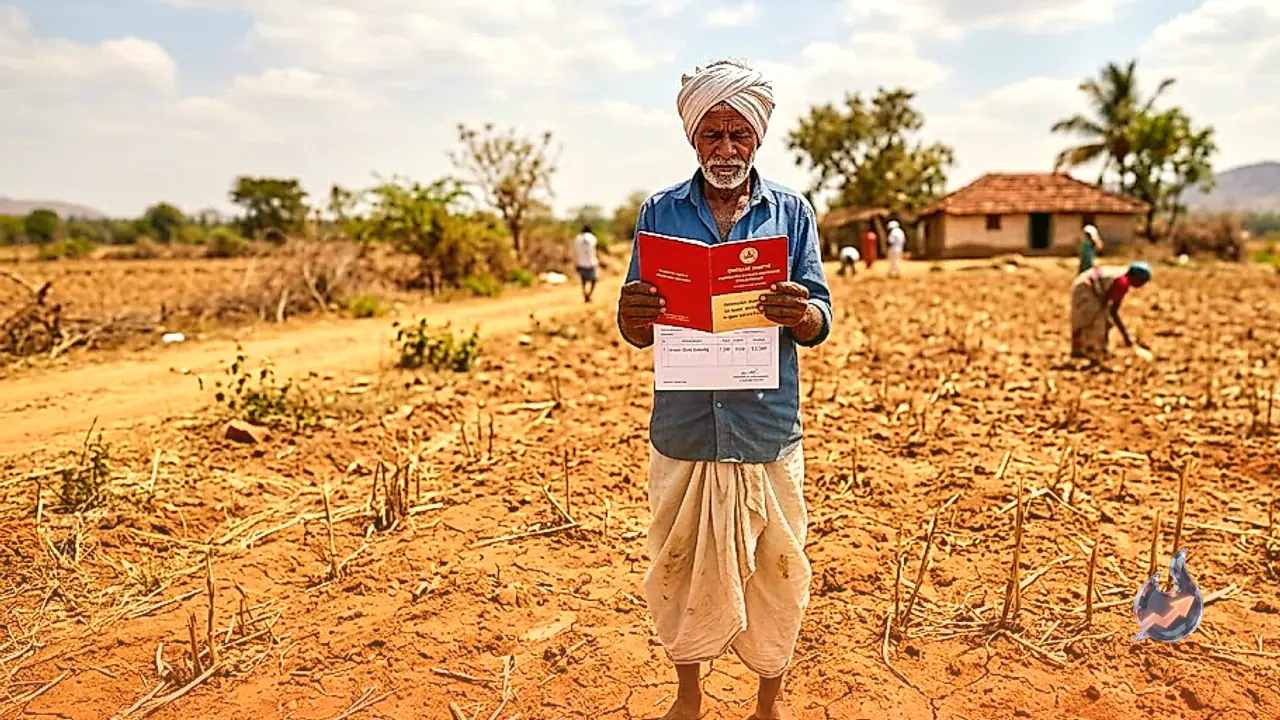
The narrative anchors itself around Rishi (Sidharth Malhotra), a resident of Mumbai who lives by practical logic and modern sensibilities. Rishi has stayed away from his ancestral hamlet of Devanchal for six continuous years. Alongside his wife Mamta (Tamannaah Bhatia), he shares a relatively smooth domestic existence, marred only by an underlying emotional void. The lingering trauma of a painful miscarriage suffered six years earlier continues to weigh heavily on their hearts. The narrative shift occurs during the auspicious festival of Chhath Puja, when Mamta's intense religious devotion leads them back to Devanchal. For Rishi, however, the pilgrimage is merely an excuse to execute a cold commercial transaction: finalizing the sale of his family's ancestral land.
The Enigma of Devanchal and the Forbidden Dev Van
Bordering the settlement of Devanchal lies an intimidating, dense woodland referred to by the villagers as 'Dev Van'. Local convention strictly forbids stepping into the forest after twilight, warning that violating this boundary invites certain doom. Folk tradition asserts that the presiding forest goddess personally guards the woodland canopy, with the hereditary descendants of the historic ruler King Vikramaditya entrusted to maintain this ancient vigil across generations. Rishi, viewing the world strictly through a rationalist lens, dismisses these warnings as unscientific superstition and regressive mindset.
A turning point arrives when a village bull inadvertently wanders past the borders of Dev Van as dusk approaches. Prompted by an impulse to rescue the animal, Rishi walks straight into the forbidden forest without calculating the repercussions. While this incident marks the entry point into the supernatural core of the story, the storytelling loses clarity precisely where the tension should have escalated. Rather than sharpening the central mystery, the script continuously injects disjointed narrative threads: an unrevealed royal lineage, the folklore of the forest deity, an enchanted protective ward, a formidable divine anklet, looming dark entities, internal village squabbles, and legal fights over inherited property. A fresh plot angle surfaces roughly every ten minutes, yet none of these branches receive a disciplined or coherent resolution.
Uneven Performances Across the Ensemble Cast
The acting throughout the production remains deeply inconsistent, with principal characterizations falling short of the intended emotional mark. Sidharth Malhotra's portrayal of Rishi stands out as one of the narrative's primary shortcomings. His character is designed to traverse an emotional arc that begins with skepticism and rationalism, gradually giving way to fear, existential bewilderment, and eventual faith in the supernatural. However, the subtle expressions required to convey such a profound internal transition are visibly absent from Malhotra's performance. For the vast majority of the runtime, his facial affect remains uniform and flat. Furthermore, his delivery lacks the texture and vernacular cadence of a rural environment; lines are spoken in a mechanical manner rather than lived through, making him appear like an urban model dropping by a village for a quick commercial shoot rather than a native son revisiting his roots.
Tamannaah Bhatia, playing Mamta, brings noticeable poise and visual elegance to the frame. Draped in traditional Indian attire, she imbues the spiritual sequences of Chhath Puja with genuine reverence. Nevertheless, the screenplay confines her presence to the stereotypical framework of an obliging spouse, offering her limited room to display substantial dramatic range. On the antagonistic front, Sunil Grover takes on a severe, vicious character named Deepak. Known primarily for his mastery over comedy, Grover delivers a committed effort and manages to look genuinely menacing in several sequences. However, because his humorous public persona is so firmly entrenched in audience perceptions, watching him unleash gruesome bloodshed and wield bladed weaponry feels jarring and difficult to fully buy into.
Miscalculated Humor and Fragmented Direction
Manish Paul steps into the narrative as VP, attempting to provide comic relief through rapid-fire one-liners. However, the comedic interplay involving Manish Paul and Sulabha Arya feels artificial, crude, and remarkably juvenile, inducing irritation rather than genuine amusement. Certain comedic exchanges border on crassness to an extent that leaves theatergoers cringing in their seats.
Audiences naturally held considerable expectations from director Deepak Kumar Mishra, who earned widespread acclaim for helming grounded storytelling projects. In terms of visual execution, Mishra manages brief moments of intrigue, crafting a legitimately eerie environment within the shadowy forest and sprinkling in signature lighthearted banter. Several contemporary pop-culture nods and series references might strike a chord with younger viewers. Concepts such as villagers venturing into the forest blindfolded after sunset and confronting wicked forces carry raw atmospheric value. However, in orchestrating the overall narrative coherence, Mishra's directorial hold weakens considerably.
Structural Absurdities and an Abrupt Climax
The plot suffers repeatedly from glaring oversights in basic logic. For instance, the entire village is aware that a direct descendant of King Vikramaditya currently resides in their midst, yet miraculously, no individual possesses the knowledge of who that person actually is. The film fails to offer any plausible or rational context to justify this widespread ignorance. Similarly, a substantial portion of the runtime is devoted to an arduous quest for a singularly powerful divine anklet. Logic suggests that such a pivotal, mystical relic would be sealed away in a strictly fortified or secluded hiding place, yet the characters stumble upon it in an ordinary spot with effortless ease, rendering the preceding build-up and dramatic struggle entirely pointless.
The concluding thirty minutes of the movie feel hurried and poorly assembled. The climax fails to generate the requisite suspense, leaving key mysteries inadequately answered and major thematic ideas unresolved. Ultimately, an ambitious narrative foundation that sought to marry regional heritage with supernatural thrills remains unfulfilled due to flawed execution and uninspired character work.