

















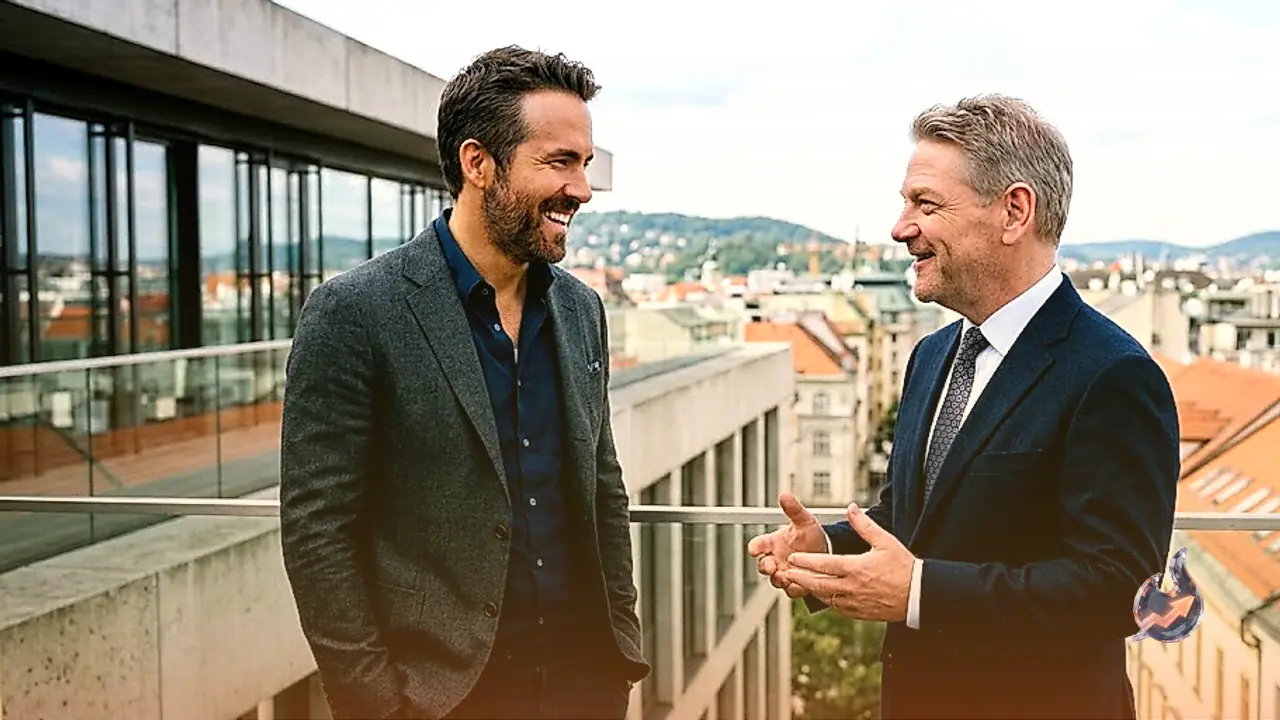

In this Mayday review, the newly released action comedy directed by John Francis Daley and Jonathan Goldstein proves that even a conventional buddy movie can soar when anchored by great lead chemistry and energetic filmmaking. Audiences tuning into a film starring Ryan Reynolds usually expect slick combat, rapid-fire quips, and familiar popcorn entertainment. While this feature delivers those classic elements in abundance, it also offers a surprisingly heartfelt layer that lifts it above standard genre fare.
A Dramatic Opening and Character Dynamics
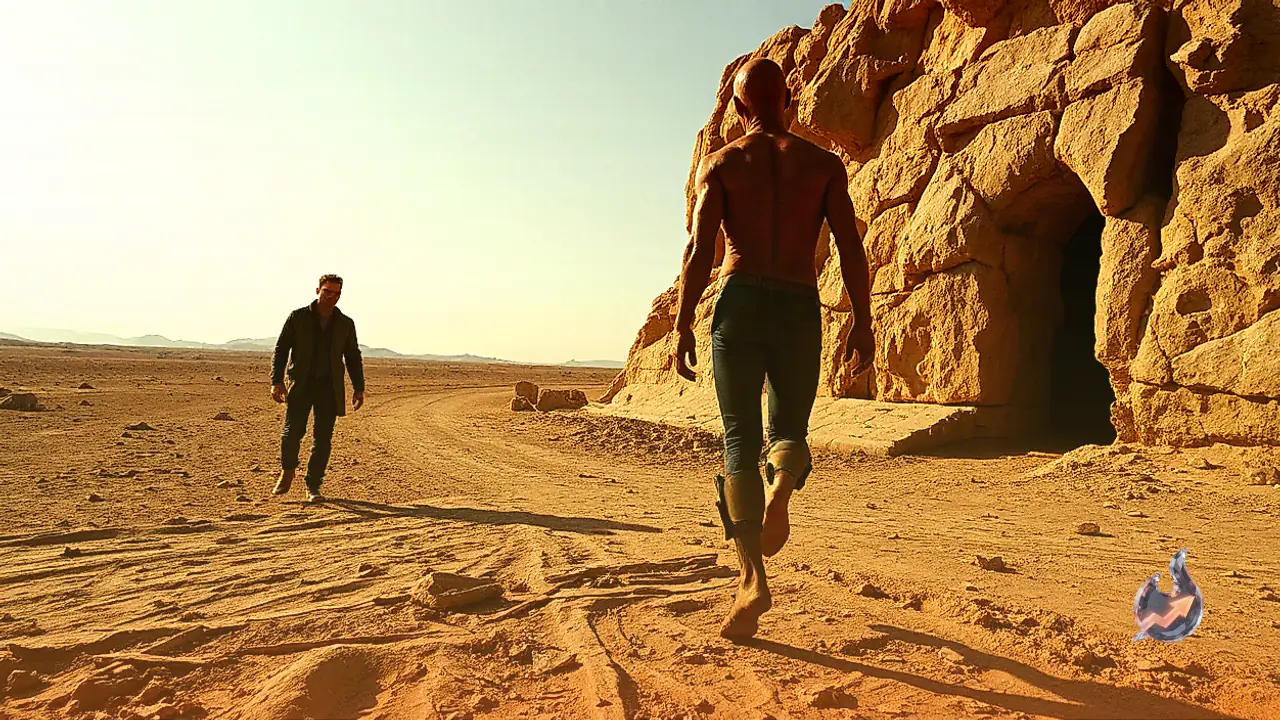
The story kicks off with a tense yet humorous setup as pilot Troy, played by Ryan Reynolds, regains consciousness after a brutal plane crash. With a sharp piece of aircraft debris embedded in his leg, Troy spots an ambiguous stranger walking toward him just before losing consciousness. The scene carries a distinct record-scratch moment reminiscent of Reynolds' work in Deadpool, teasing how he wound up in such dire straits. However, the narrative resists relying purely on relentless one-liners. Instead, it presents Troy as a grounded individual who simply loves flying, cares deeply for his father, and holds a somewhat naive affection for his country.
Kenneth Branagh's KGB Operative Steals the Spotlight
That intimidating stranger turns out to be an unexpected ally named Nikolai Ustinov, portrayed with straight-laced intensity by Kenneth Branagh. Nikolai is a lethal former KGB agent fascinated by an idealized version of the United States, fueled by his bootleg copy of Top Gun and a simple dream of eating at McDonald's. Branagh's character takes charge of the film's standout action sequences. From brutal hand-to-hand combat to a high-stakes police pursuit involving a nuclear warhead, Nikolai delivers martial arts flair in pool halls that could easily rival John Wick.
Dynamic Visual Style and High-Octane Action
Directors John Francis Daley and Jonathan Goldstein, known for their work on Game Night and Dungeons & Dragons: Honour Among Thieves, bring their inventive camera work to the forefront. The duo mounts cameras onto car doors, utilizes striking overhead angles, and captures memorable tracking shots, such as Troy and Nikolai driving across varied rural and urban Russian landscapes. The central plane crash sequence is particularly impressive, visually following Troy as he flips his aircraft vertically, ejects moments before mid-air collision, and parachutes down into dangerous territory.
Chemistry, Subtext, and Final Verdict
This imaginative visual direction injects vitality into a familiar script structure. Supporting actor Maria Bakalova brings genuine emotional weight in her brief screen time as Nikolai's estranged daughter Anna, but the dynamic pairing of Reynolds and Branagh remains the central highlight. The film also makes subtle gestures toward questioning traditional American patriotism and examining how nations frame themselves as righteous heroes. Ultimately, it stands as an engaging and highly entertaining watch, even if its narrative trajectory remains mostly predictable.