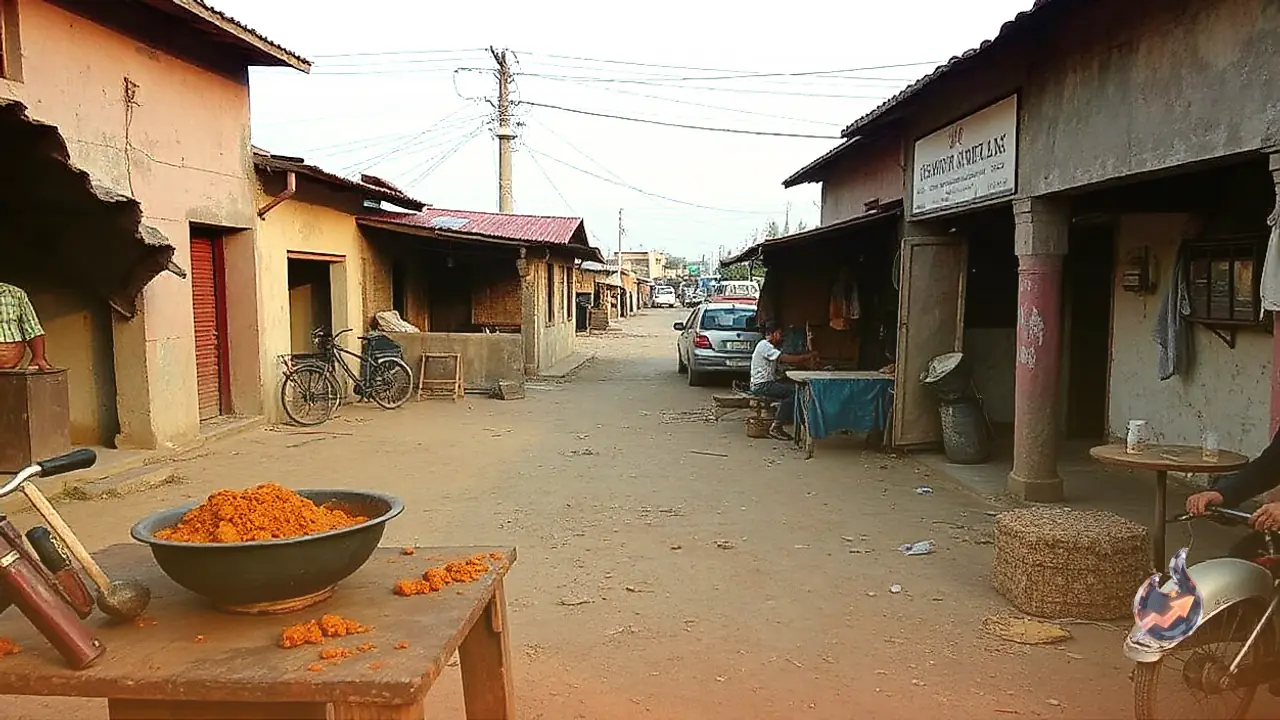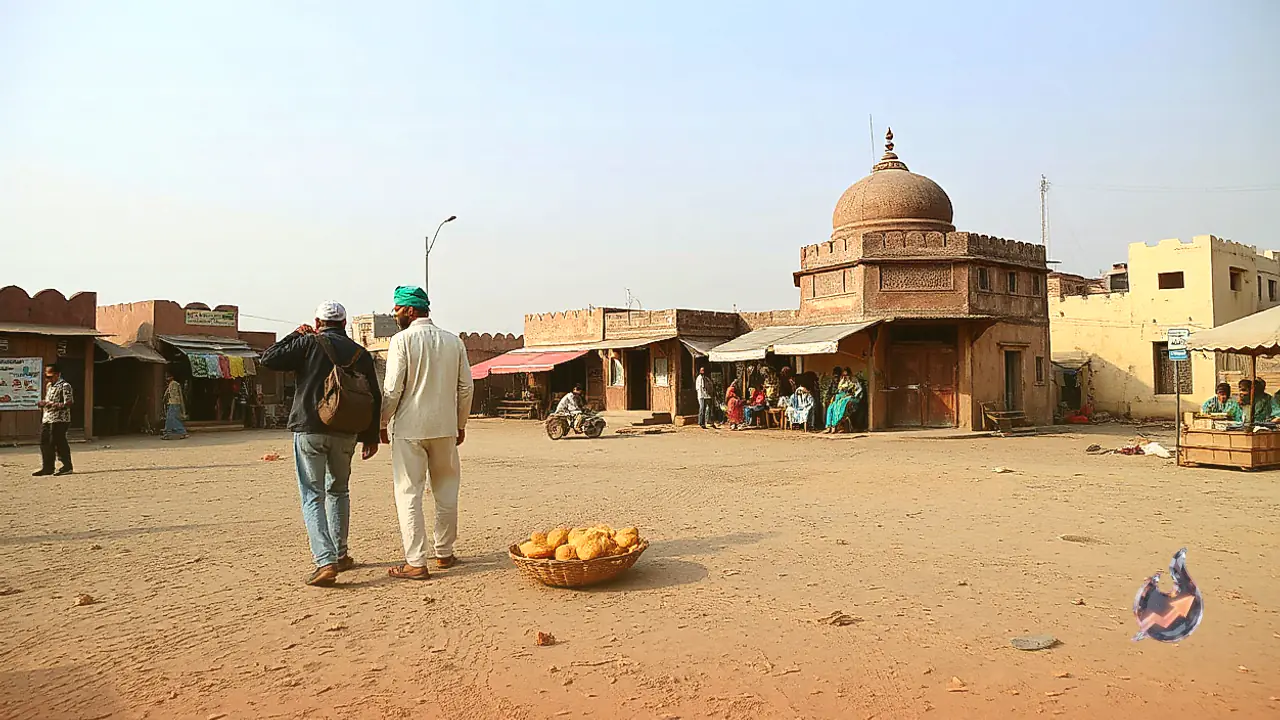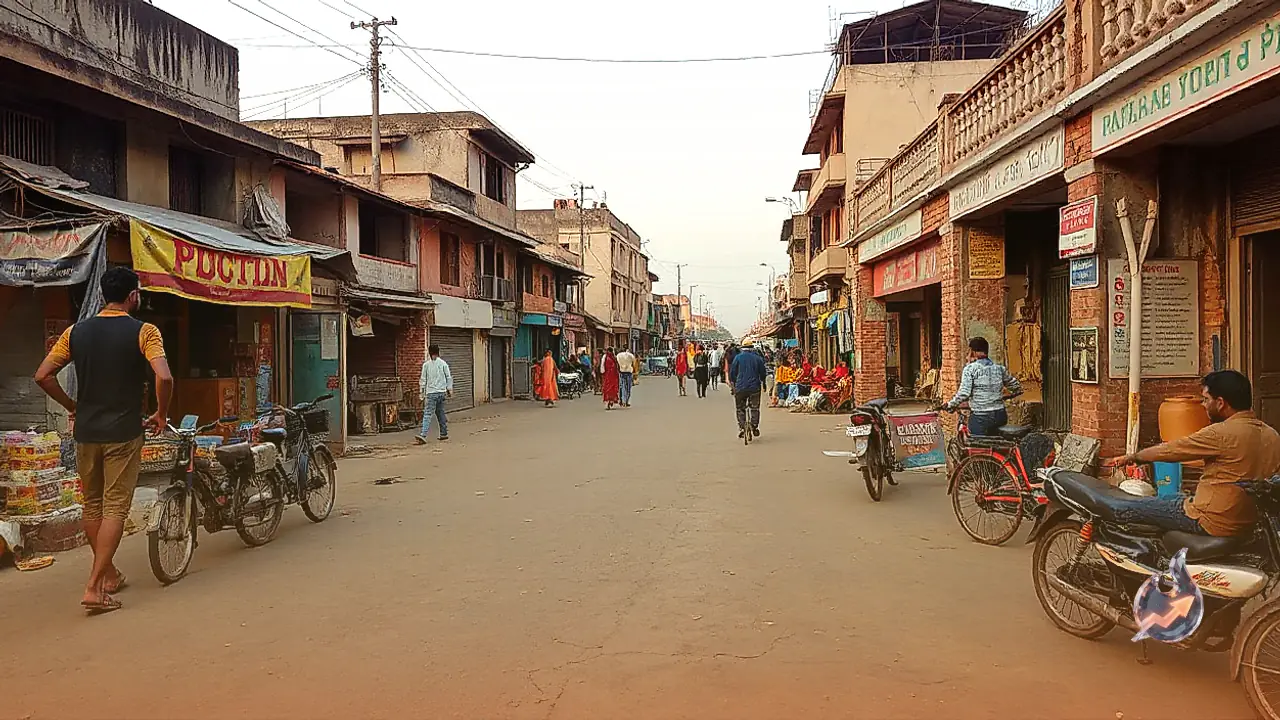

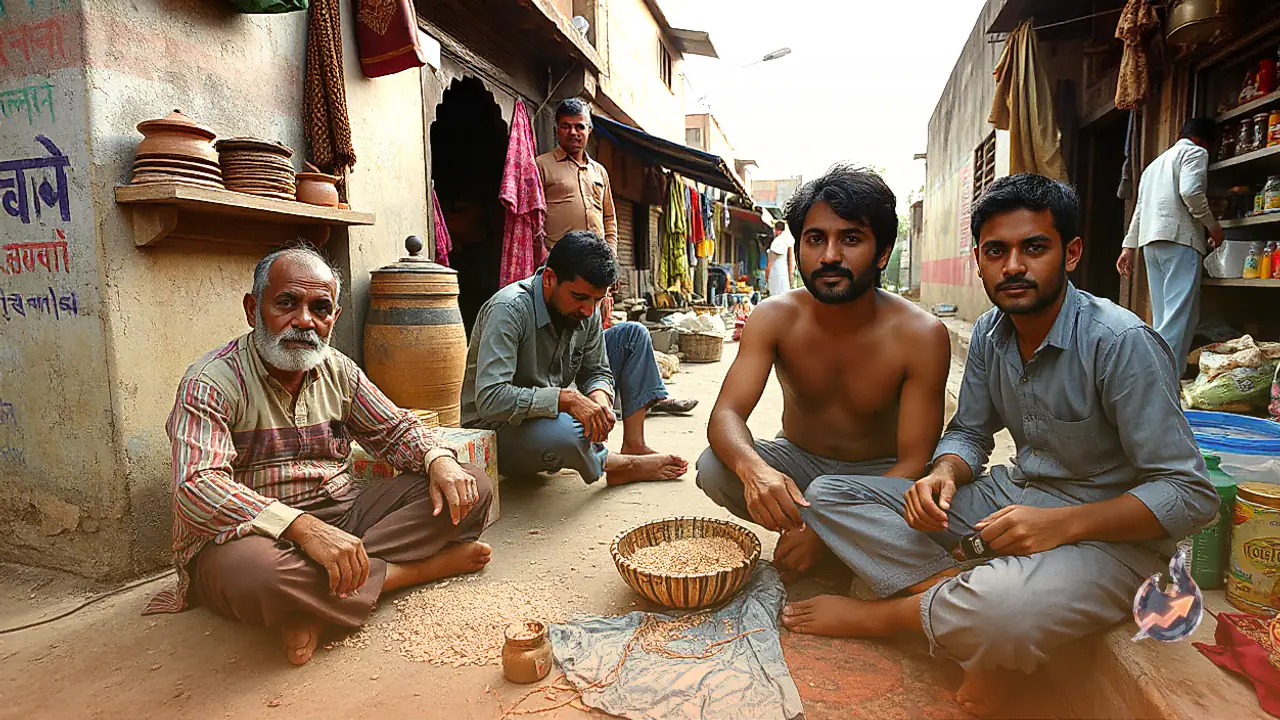
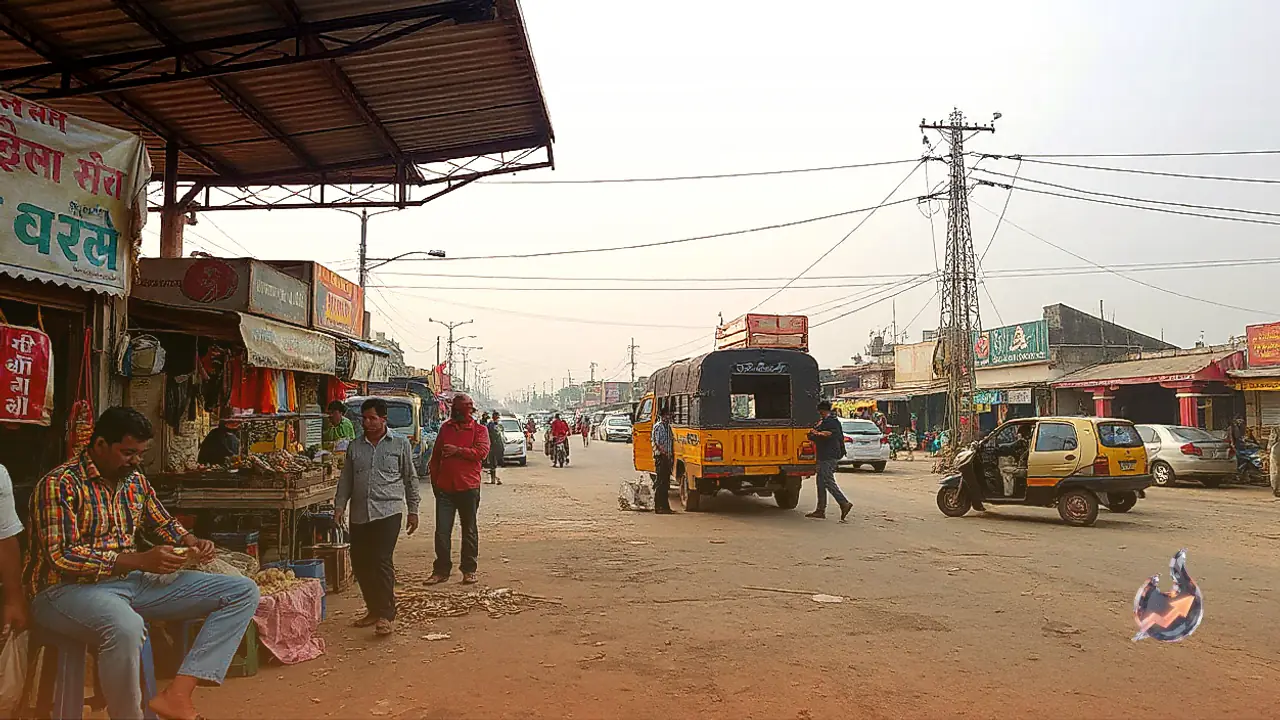

















In the bustling New Market area of Patna, much has transformed with the passage of time, yet the age-old art of serving paan and the old-world charm remain completely untouched. There are no modern glossy counters or fancy air-conditioned displays here. Watching Ashok Prasad Chaurasia sit cross-legged on the floor while skillfully crafting a paan gives the distinct impression that a bygone era of the city is still lingering right here. Managing this nearly 70-year-old establishment as the third generation of his family, Ashok Prasad sells paan priced between 10 and 20 rupees, a stark contrast to the 10 paise price tag from decades ago, while his traditional way of welcoming and serving patrons stays entirely unchanged.
Learning the Art of Paan Making at Age Ten
Ashok Prasad Chaurasia explains that the tradition of selling paan in his family began with his grandfather. Following him, his father took over the shop, and now he is carrying forward this cherished legacy as the third generation. He learned the intricate craft of making paan and serving customers when he was merely 10 years old. Today, at around 70 years of age, he operates his shop using the exact same methods he adopted in his youth. For him, this venture is not merely a source of income, but a deeply rooted family tradition passed down across multiple generations.
Paan Prices Rising From 10 Paise to 20 Rupees
Having managed the storefront for over six decades, Ashok Prasad has witnessed the evolution of paan pricing with his own eyes. He recalls that when he first started sitting at the shop around the age of 10, a single paan was sold for just 10 to 15 paise. As inflation climbed steadily over the years, the prices increased accordingly. At present, customers visiting his shop pay anywhere between 10, 12, 15, and up to 20 rupees for a single paan, reflecting the long journey of economic changes in the region.
A Wide Variety of Flavors for Devoted Connoisseurs
Ashok Prasad’s shop offers a diverse selection of paan varieties catering to different taste preferences. Green paan, yellow paan, Magahi paan, and sweet leaves remain immensely popular among the regulars. Ashok Prasad Chaurasia notes that the yellow paan records the highest sales at his counter. Additionally, buyers looking specifically for Magahi paan, green paan, and sweet leaves frequently visit the stall. While some customers prefer adding tobacco and other rich ingredients to their order, others like a simple preparation flavored solely with fennel seeds. He customizes every single order strictly according to the individual preferences of his patrons.
The Distinct Traditional Style of Preparing Banarasi Paan
While crafting a paan, Ashok Prasad meticulously adds each ingredient by hand. Utilizing slaked lime, catechu, basil leaves, 64, 300, Nirmali, cardamom, betel nuts, and various other traditional components, he tailors the preparation to suit each buyer's taste. This age-old manual dexterity and conventional preparation method set his establishment apart from countless other modern competitors in the city.
Departed Regulars and a Decline in Daily Vibrancy
There was a time when Ashok Prasad enjoyed a massive rush of dedicated buyers who had been relishing his paan for years, with people traveling from the secretariat and distant neighborhoods to reach his shop. However, with the passage of time, many of those loyal patrons have retired, some have reduced stepping out due to advanced age, and others are no longer alive. Several individuals have relocated to different places along with their families. Ashok Prasad Chaurasia shares that only a handful of those original patrons remain today, still visiting his shop out of enduring habit.
New Commercial Obstacles Affecting Daily Sales
Ashok Prasad Chaurasia further elaborates that earlier the shop witnessed a continuous stream of buyers and his hands would never stop working due to the immense rush. However, current sales do not match the past glory. Road closures and localized construction work have severely impacted the business of neighboring shopkeepers as well as his own trade. Furthermore, the widespread popularity of packaged gutkha and other ready-made manufactured products has significantly dented the sales of traditional paan vendors.
Preserving Old Identity Inside New Market
Amidst a transforming city, shifting consumer tastes, and various commercial hurdles, Ashok Prasad Chaurasia continues to occupy the exact same spot where his father and grandfather used to sit. Situated right beneath the Chaurasia Litti shop in New Market, his paan stall stands as a living testament to heritage, where people can still savor a traditional paan prepared by his hands. A board bearing the name Kishori Ji Paan Shop hangs near the premises.