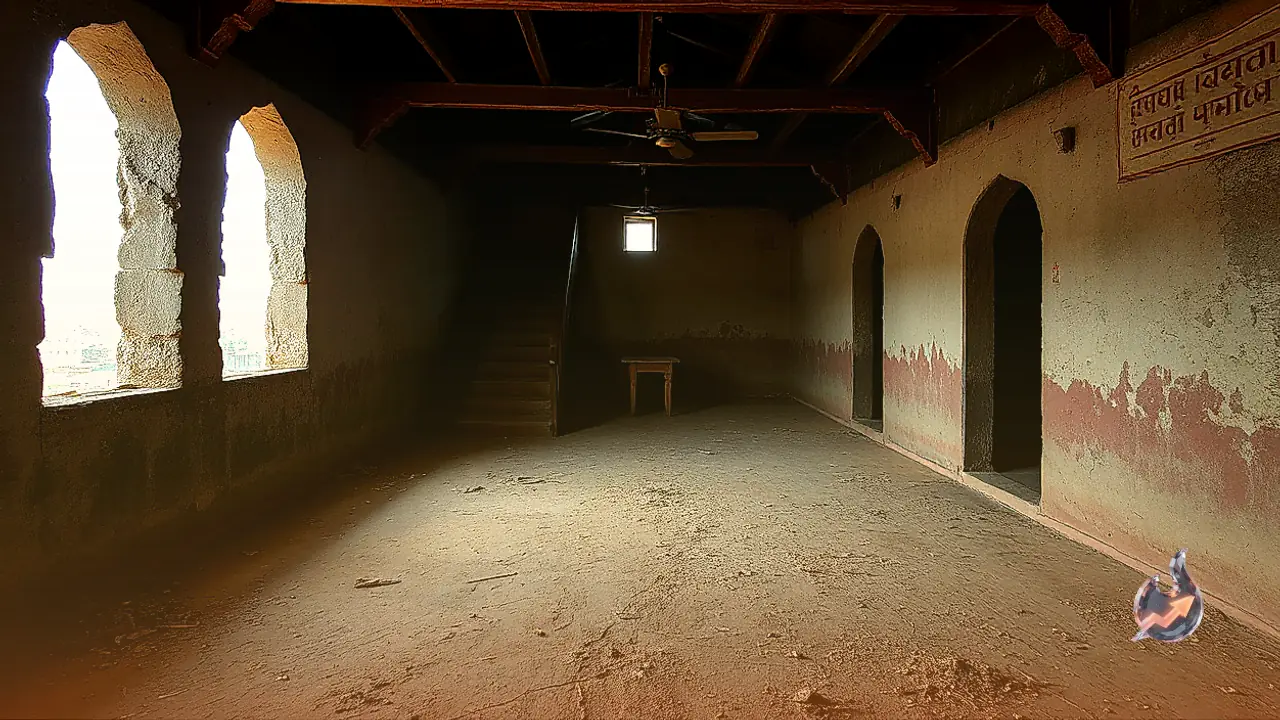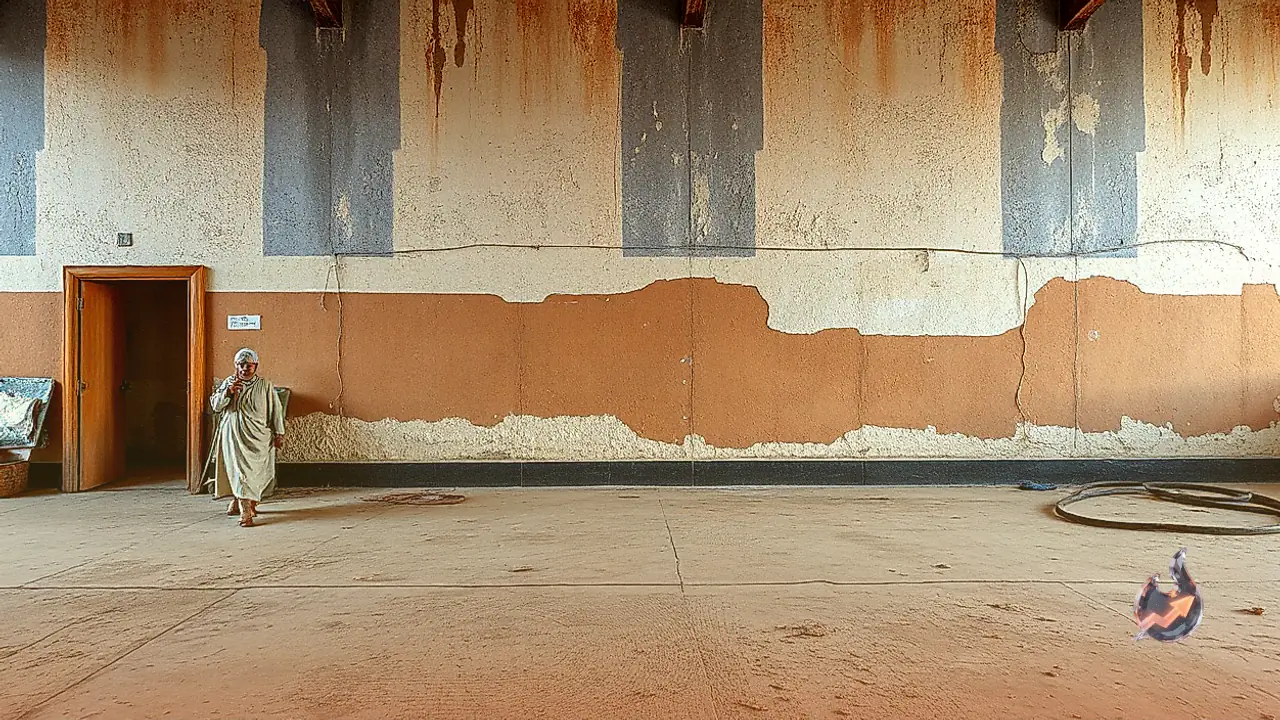

















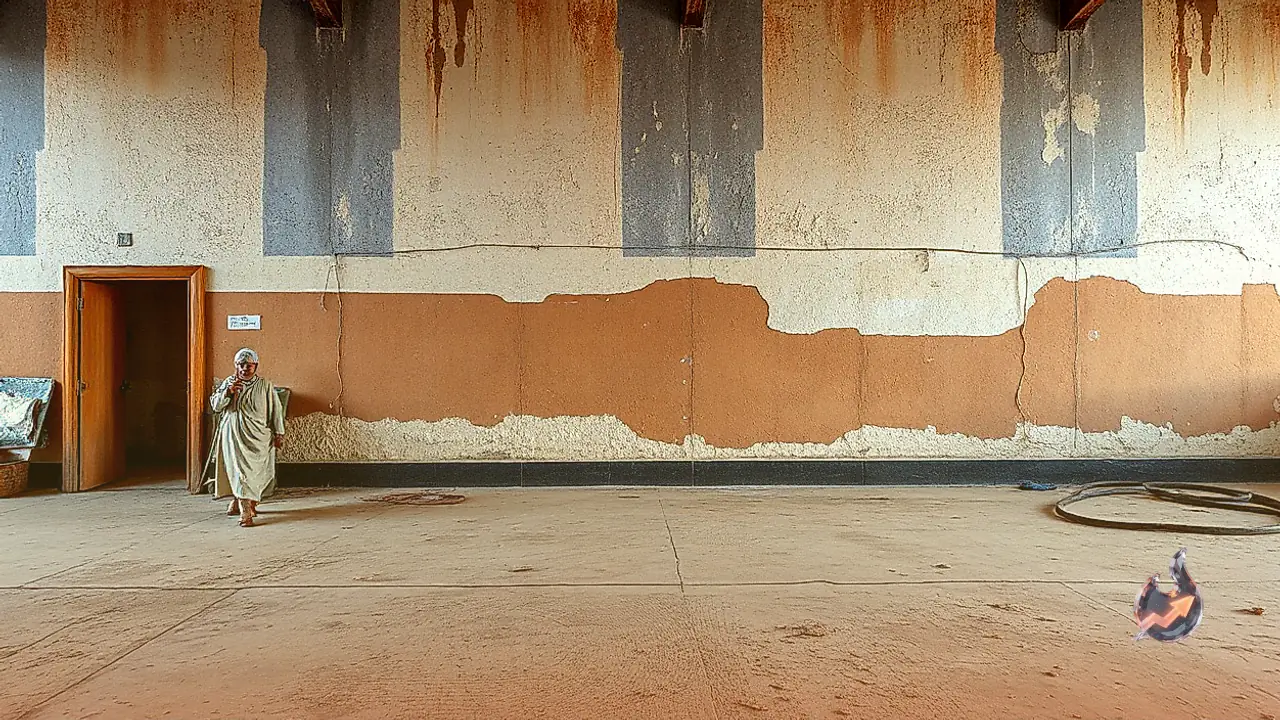

When walls repeatedly show signs of dampness, paint begins to peel, and solutions fail to deliver results, identifying the exact source of moisture becomes the foremost priority. Many individuals apply random waterproofing products to their walls without determining the nature of the dampness. While such methods might offer temporary relief, the problem inevitably returns. Consulting an expert to select the appropriate product is therefore essential for long-term resolution.
Why Identifying Moisture Types Matters
Azmat Ali, owner of Rang Mahal, explained that while people invest in high-quality paints to enhance the beauty of their homes, damp walls ruin the overall aesthetic appeal. He noted that different types of moisture require entirely distinct products, making it crucial to diagnose the root cause before attempting any repair work on dampness.
Distinguishing Internal and External Seepage
According to Ali, moisture originating from exterior walls, indoor dampness, and the formation of salt or lime crusts on surfaces represent completely different structural issues. When a customer visits a store simply stating that their wall has dampness, handing over a random product without understanding the underlying issue is incorrect. The nature of the moisture must be diagnosed first.
Targeted Products for Specific Dampness Problems
He detailed that to combat dampness seeping through exterior walls, Birla Paint's Wall and Roof 10 product is utilized. It is applied in two to three coats to successfully block external moisture from penetrating the interior structure. For indoor moisture concerns, the company's Total Stop product is recommended. Meanwhile, if walls are developing salt-like crust formations, the situation requires a different approach, where Total 2K is suggested for application.
Ali emphasized that merely painting over a damp wall from the surface is never sufficient. The proper procedure involves chipping away the damaged plaster down to the brick surface, applying the specialized product directly, and letting it dry. Following this, the wall is re-plastered, and a waterproof primer, putty, and paint are applied in sequence. This meticulous process helps keep dampness at bay for an extended period.
Guidance for Retailers and Homeowners
He also urged paint retailers and dealers to prioritize understanding the customer's actual problem rather than simply pushing products. Solutions should be suggested strictly according to the specific category of moisture detected. Ultimately, encountering damp walls should prompt a thorough investigation into the cause followed by targeted treatment, ensuring both structural integrity and paint longevity.